
Beware of Digital Scam Tactics: BNI Urges Customers to Protect Sensitive Data
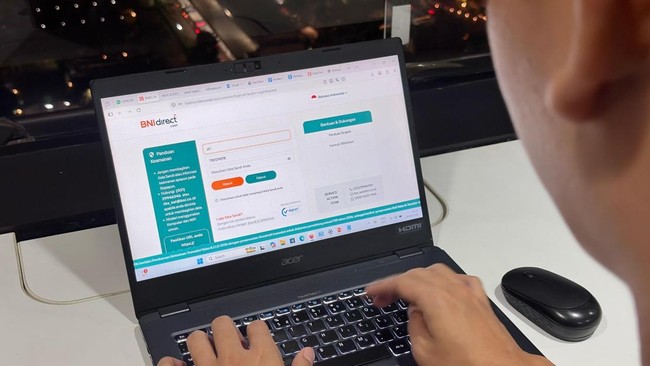
PT Bank Negara Indonesia (Persero) Tbk, or BNI, has once again reminded its customers not to share sensitive data with any parties. This comes as various digital scam tactics increasingly target users of banking services, particularly digital channels such as BNIdirect.
BNI Corporate Secretary Okki Rushartomo stressed that the company never requests customers’ confidential information under any circumstances. Therefore, the public must heighten their vigilance against parties claiming to represent the bank.
“We remind customers never to share sensitive data with anyone, including those claiming to be from BNI, as this is part of digital crime tactics,” Okki said in a written statement on Wednesday (6/5/2026).
BNI explained several key pieces of information that must be kept confidential, including passwords, company IDs, emails, PINs, OTP codes, and hard or soft token codes. Such information must not be shared through any channels, whether by phone, SMS, email, or social media.
Furthermore, BNI emphasised that it never requests BNIdirect user IDs, does not send links via text messages or chat applications for verification purposes, and does not ask customers to download specific applications, including remote desktop apps like TeamViewer or AnyDesk, under the pretext of service assistance.
According to BNI, such practices are common hallmarks of digital scams that exploit social engineering to gain access to customer accounts. If encountering such indicators, customers are urged not to proceed and to verify immediately through official channels.
As a preventive measure, BNI advises customers not to click links from unknown sources, not to install applications from unclear parties, and to avoid seeking solutions via search engines for issues like forgotten passwords. Customers are encouraged to use the official features on the BNIdirect login page to reset passwords independently.
Further information on services and transaction security can be accessed via BNI’s official website at www.bni.co.id.
“Through this ongoing education, BNI hopes that the public will better understand digital crime patterns and be able to protect their personal data independently, thereby maintaining banking transaction security and increasing trust in digital services,” Okki concluded.