
Beware of Cataracts: Doctor Says Symptoms Are Often Unnoticed by Patients
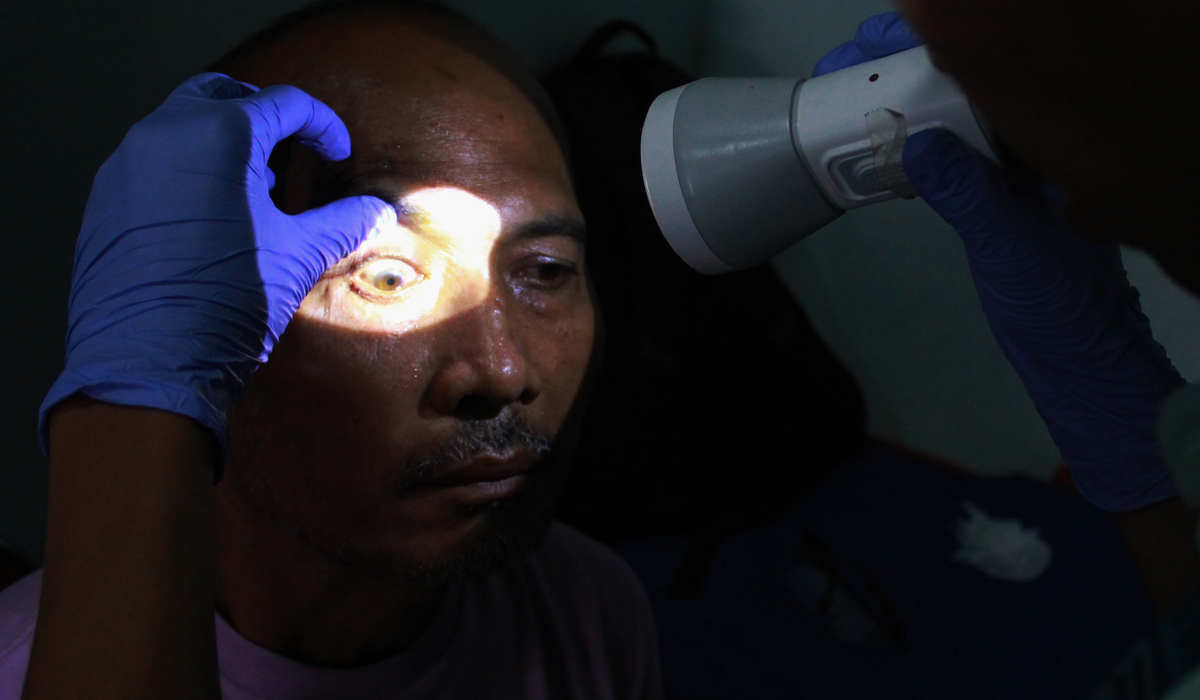
Cataracts often act as a stealthy thief of vision, with many sufferers unaware of the gradual decline in their sight. Dr Amir Shidik, a cataract and refractive surgery ophthalmologist, says many patients do not recognise the deterioration in their visual function because the condition develops so slowly.
‘The problem is that cataracts progress gradually, taking months to years. So often patients are not aware that they have started cataracts and their vision is worsening,’ Dr Amir said at a health discussion in Jakarta recently.
A cataract is a condition in which the lens of the eye becomes cloudy, causing impaired sight. Under normal circumstances, a clear lens focuses light sharply onto a point on the retina. But in cataract patients, the clouding scatters the incoming image, making it haloed and unfocused.
He explained that cataracts closely relate to ageing. Data show the prevalence of cataracts rising sharply to as high as 70 percent among people aged 70 and above.
Although progression is slow, there are several clinical signs that can be identified as cataract symptoms, including:
One unique sign is second sight, where sufferers suddenly feel their near vision improves (they can read without glasses), while distance vision deteriorates drastically. This occurs because the cataractous lens pulls in fluid, becoming more convex and increasing the minus dioptre.
Dr Amir added that if cataract has reached an advanced stage, a white colour will appear in the pupil. Although cataract can occur in one eye or both, he stressed that the clouding of the lens is not contagious and does not spread from one eye to the other.
Given its progressive yet elusive nature, routine eye examinations are the key to detecting cataracts early, especially for older people or those with high risk factors.
Cataract is the condition in which the clarity of the eye’s lens changes, causing visual impairment that blocks light from entering the eye.
The number of cataract cases in Indonesia continues to rise and has entered a backlog stage. Limited access and myths act as barriers, even though the risk of blindness can be prevented.
Ophthalmologist Dr Amir Shidik emphasises that surgery is the only way to cure cataracts.