
Beware of AI Deepfakes and Voice Cloning in Cryptocurrency Transactions
Amid increasingly robust digital security systems, cybercriminals are now shifting their focus from technological hacking to human psychological manipulation. Threats such as social engineering, phishing, and the use of artificial intelligence like deepfakes and voice cloning are becoming real dangers for cryptocurrency asset owners.
A report from NordStellar reveals a worrying trend, as discussions about Deepfake-as-a-Service (DFaaS) on dark web forums surged by 39% from January to May 2026 compared to the same period last year. This indicates that identity manipulation technology is becoming more accessible to criminals.
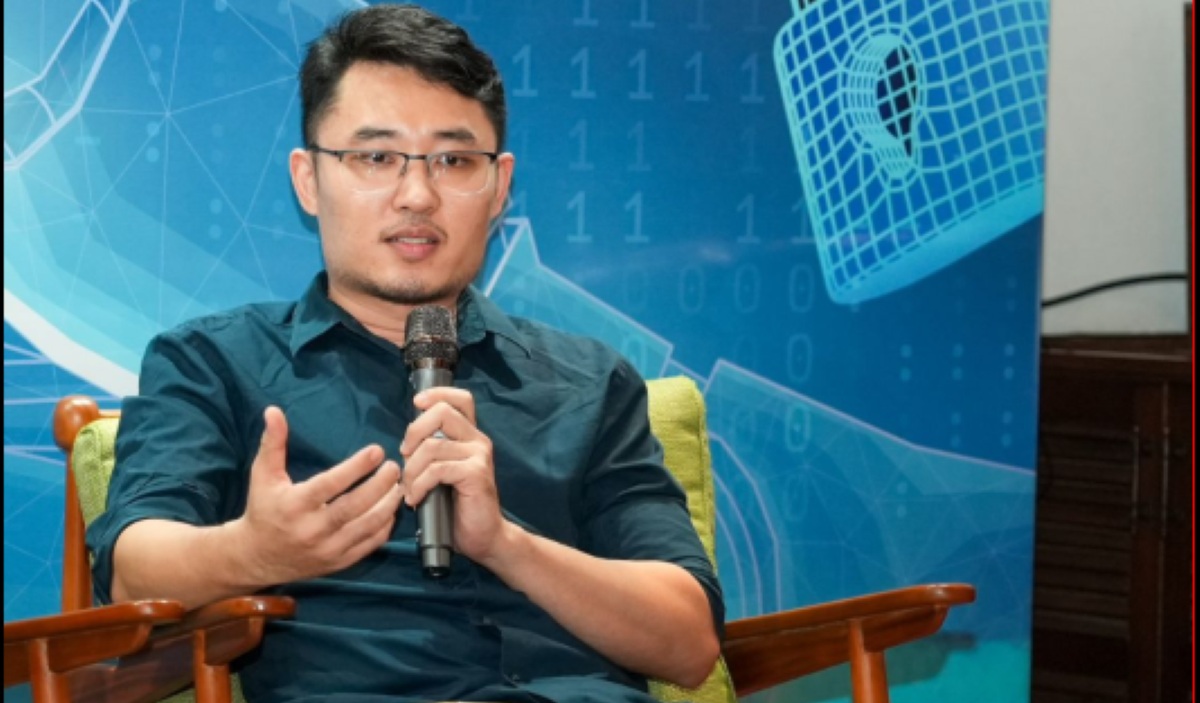
Chief Information Security Officer (CISO) of Indodax, Ledy, emphasised that the human factor is now the most crucial point in the digital security ecosystem. He noted that perpetrators are increasingly exploiting users’ psychological aspects to lead them into making poor decisions.
“Many people still assume the biggest threat comes from hacking exchange systems. In fact, in several recent cases, perpetrators gained access because victims unknowingly provided important information or clicked on dangerous links that resembled official services,” Ledy stated during the forum themed ‘Security Starts With You’ on Friday (26/6).
Advancements in AI now allow perpetrators to clone a voice with just a 10-second audio sample. This highly realistic synthetic voice is then used to deceive people close to the victim. Other prevalent modus operandi include fake advertisements on social media, manipulation of search engine results using AI, and impersonation of fake customer service agents on WhatsApp.
Ledy clarified that Indodax does not have an official WhatsApp number for customer service. “All services can only be accessed through official phone numbers, email, and company channels. The public needs to get into the habit of conducting independent verification and research (DYOR) before making any decisions,” he added.
According to him, the sophistication of a platform’s security technology must be matched by the user’s cyber hygiene or digital security habits. “A platform can provide various layers of security systems. However, ultimately, every decision remains in the hands of the user,” Ledy concluded.
As a regulated cryptocurrency exchange in Indonesia, the company is committed to continuously strengthening platform security standards while enhancing public digital literacy to ensure safe and responsible activity within the crypto ecosystem.