
Beware of 11 Airport Scams That Could Empty Your Bank Account
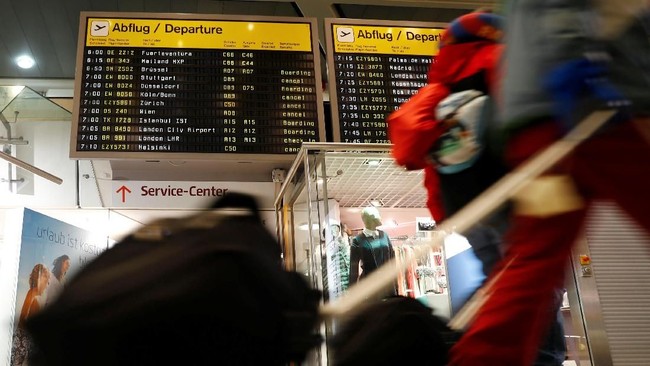
Jakarta, CNBC Indonesia — Airports are crowded with travellers. Many are often tired and in a hurry to catch flights to their destinations. Criminals exploit this vulnerability to carry out various scams.
A recent report by AAA Club Alliance, published in The Extra Mile, details 11 scams commonly found at airports, ranging from cyber theft and credit card fraud to taxi and baggage scams. The consequences could leave victims’ bank accounts completely drained.
Here are 11 airport scams and tips on how to avoid them, as reported by Quartz on Wednesday (4 November 2026):
- QR code phishing (quishing)
Scammers place fake QR code stickers over official codes on parking meters, posters or public facilities at airports. Scanning these codes takes phones to fake websites designed to steal personal data, download malware or divert payments.
How to avoid it: Check whether the QR code is a sticker placed over another code. Make sure the website address begins with HTTPS; safer still, type the official website address directly rather than scanning a code.
- Wi-Fi and Bluetooth hacking (evil twin)
Hackers create fake free public Wi-Fi networks with names very similar to the airport’s official network. Once users connect, hackers can steal sensitive information such as app usernames and passwords.
How to avoid it: Turn off Wi-Fi and Bluetooth before entering the airport. Confirm the official Wi-Fi network name with airport staff, or use mobile data and a virtual private network (VPN).
- USB charging attacks (juice jacking)
Charging a phone through a free USB port in a public place can expose the device to a juice-jacking attack. Standard USB cables carry both power and data, so a tampered-with port could install malware or extract data from a phone.
How to avoid it: Use a wall socket with your own charger, a power-only cable or a USB data blocker.
- Payment card fraud and skimming
Scammers install skimming devices on airport ATMs or card payment terminals to record card numbers and PINs. The scam may be preceded by a declined transaction or suspicious small-value charges.
How to avoid it: Physically inspect payment terminals before using your card. Enable transaction alerts through your bank and monitor your account statements regularly while travelling.
- Travel document fraud
Posting a photograph of a boarding pass on social media can reveal a passenger’s name and booking code. Hackers may use the barcode or QR code on the pass to access flight details, cancel a return ticket or alert thieves that the passenger’s home is empty.
How to avoid it: Do not post travel documents on social media. Dispose of physical tickets once you are home, and be wary of fake text messages purporting to come from an airline and announcing flight delays.
- Fake lounge-pass apps
At some airports, access to lounges requires a dedicated app. Scammers create fake Lounge Pass apps on websites outside official app stores to intercept incoming text messages and steal users’ sensitive data.
How to avoid it: Download official apps only from trusted app stores such as Google Play or the App Store, and reject SMS access requests from unfamiliar apps.
- Baggage scams
A stranger asking you to carry their bag or suitcase through a checkpoint — even in return for money — is a warning sign, as the bag could contain prohibited goods, including drugs or smuggled items.
How to avoid it: Firmly refuse requests to carry someone else’s belongings. Use a TSA-approved lock and a reusable suitcase cover to protect your own luggage from theft from outer pockets.
- Taxi and car-hire scams
Unlicensed taxi drivers in arrival areas may overcharge passengers, steal their luggage or skim their cards. Car-hire customers, meanwhile, may be charged for damage they did not cause.
How to avoid it: For ride-hailing bookings, check that the driver’s identity and number plate match the details in the app. When hiring a car, photograph or film its entire condition before leaving the rental site.
- Fake airport or airline staff
Scammers pose as airport or airline employees, using fake uniforms and badges to deceive confused travellers.
How to avoid it: Do not trust someone solely because they are wearing a uniform. Verify their identity at the airline’s official counter or the airport information desk.
- Currency-exchange scams
Airport currency-exchange kiosks may offer poor exchange rates, charge high service fees, deliberately give too little change or pass off counterfeit banknotes.
How to avoid it: Research exchange rates before travelling. Exchange money at an authorised bank before departure or use a debit or credit card with low foreign-transaction fees.
- Distraction scams
These scams involve two people. One creates a distraction — for example, by dropping something or causing a commotion near a security checkpoint — while an accomplice steals the victim’s belongings when they are distracted.
How to avoid it: Keep an eye on your luggage and belongings at all times. At the checkpoint, put your bag through the scanner before walking through the metal detector.
Source: jawawa.id (https://jawawa.id/newsitem/beware-of-11-airport-scams-that-could-empty-your-bank-account-1793803840)
Originally published by CNBC Indonesia (https://www.cnbcindonesia.com/tech/20261104144301-37-782292/waspada-11-modus-penipuan-di-bandara-rekening-terkuras-habis), translated from Indonesian