
Between Wukuf and Wakaf: Two 'Passive' forms of worship
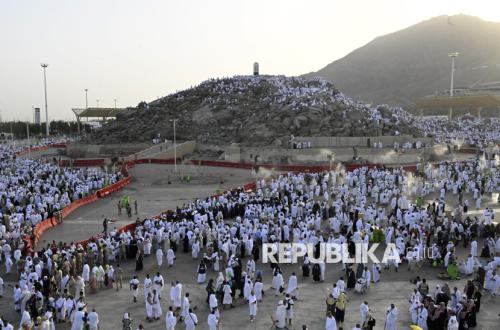
There is a single Arabic root word that gave rise to two major concepts in Islam: Wa-Qa-Fa. Its meaning is simple yet profound: to stop, remain still, or withhold. From this root emerge two acts that appear passive on surface but are deeply active spiritually: wukuf and wakaf.Both teach a lesson often hard for modern humanity to grasp: not all worship requires bustling physical activity. Some reach their peak when one halts. During Hajj rituals, many require physical exertion. Thawaf circumambulates the Ka’bah. Sai involves walking back and forth between Safa and Marwah. Throwing stones at the Jumrah pillars demands movement and effort amid millions of people.YYet the Hajj’s climax is not these actions. It is wukuf on the plains of Arafah. On surface, wukuf seems simple: pilgrims simply remain stationary in Arafah. No complex ritual movements. No circling of the Ka’bah. No traversing between Safa and Marwah. Just presence, stillness, and staying.Yet it is precisely here that worship’s essence functions. Bodies may be still, but hearts move closer to Allah. Tongues filled with dhikr. hands raised in prayer. Souls communing with the divine amidst countless crowds. A state aptly described as ’ stillness amidst chaos’.