
Between concrete and citizens' sense of safety
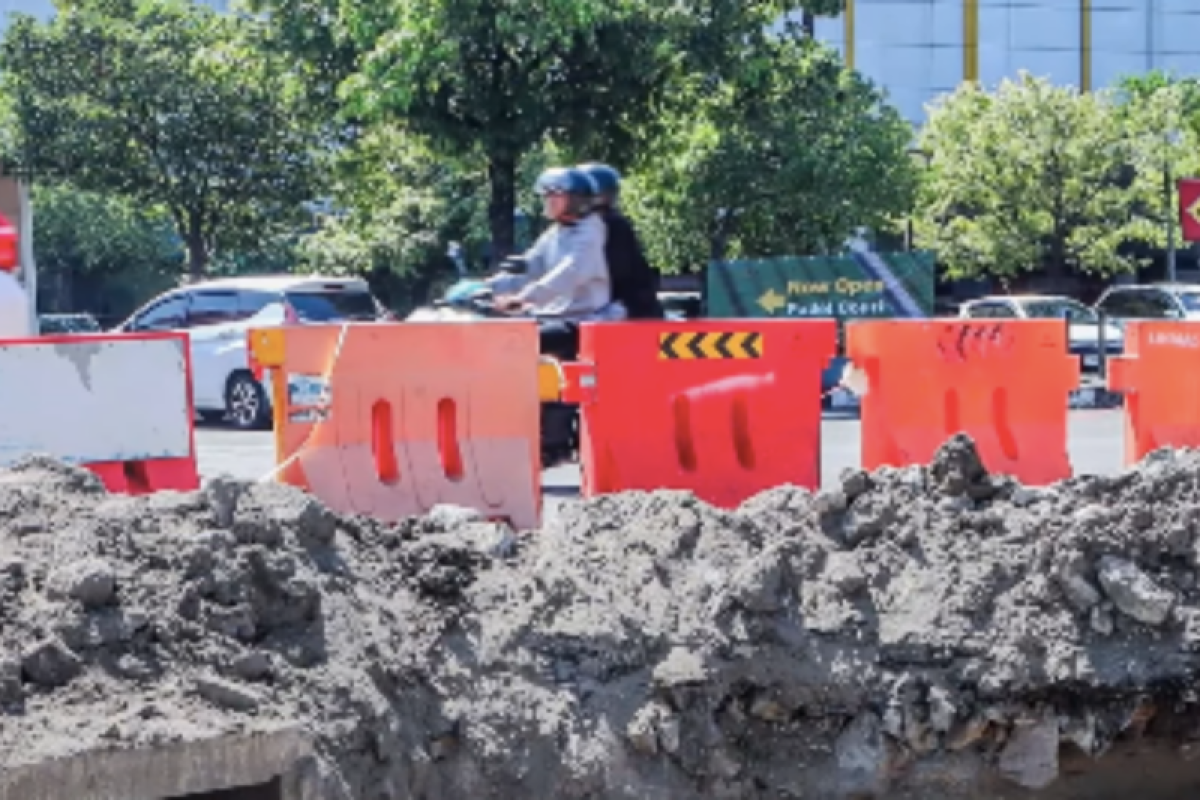
In the midst of Surabaya’s relentless traffic, roads excavated for infrastructure projects have become an unavoidable sight. Large holes, uninstalled precast box culverts, and half-hearted road barriers signal that the city is working hard to pursue a major goal: reducing the waterlogging and flooding that still haunt some areas every rainy season. Yet behind these technical efforts, Surabaya has just faced a critical turning point. An elderly resident died in an accident at the Margorejo water channel project area, in front of one of the city’s activity centres. The incident prompted swift action from Surabaya Mayor Eri Cahyadi, who ordered a temporary halt to all box culvert excavation activities on city roads for a thorough evaluation. The decision was not merely an administrative response. It reflects a deeper urgency: that physical development cannot be separated from the safety of the citizens who navigate it daily. The total evaluation is now directed at work patterns, safety systems, and contractor discipline in applying field work standards. Box culverts are part of a modern urban drainage strategy. These box-shaped concrete structures function to smooth water flow beneath roads. In many major cities worldwide, this system forms the backbone of flood control. In practice, however, the construction phase often becomes the most vulnerable point, when roads are opened, traffic continues to flow, and the project work area sits directly alongside public activity. In the Surabaya case, initial findings indicate gaps in the project barriers that should have served as safety shields. This situation shows that the problem lies not only in infrastructure design, but in the discipline of field implementation.