
Between Celebration and Anxiety: Re-reading the Meaning of May Day
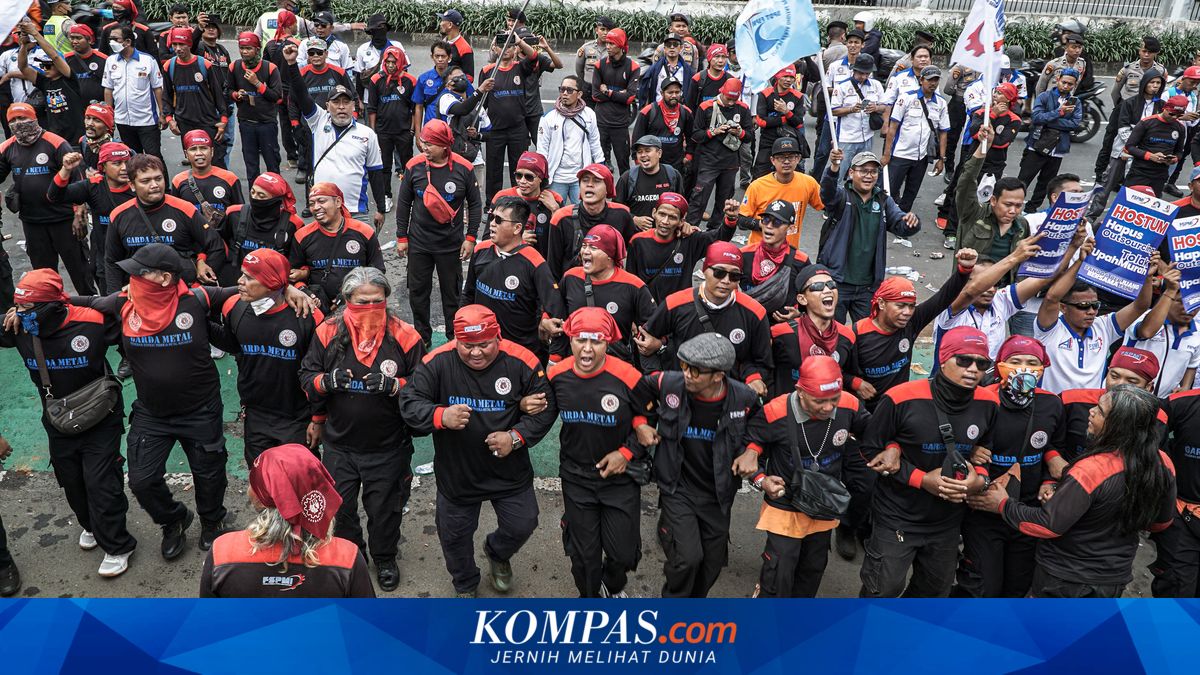
Every 1 May, the world commemorates International Workers’ Day, a historic moment born from the tragedy of the Haymarket Affair in Chicago in 1886. It is not merely a celebration, but a symbol of the working class’s struggle against exploitation. However, more than a century later, May Day no longer stands solely as a monument to victory. It also reflects new anxieties: are today’s workers increasingly empowered, or are they becoming more vulnerable in the face of new capitalism? In the classical perspective, Karl Marx and Friedrich Engels, through The Communist Manifesto (1848), positioned workers as the exploited class within the industrial capitalist system. The relationship between capital owners and workers is antagonistic: workers sell their labour, while capital accumulates profits. Economist Guy Standing, in The Precariat: The New Dangerous Class (2011), introduced the concept of the precariat, a new class of workers living in uncertainty. Workers are no longer simply “exploited,” but also have their futures “suspended.” This change is further emphasised by Shoshana Zuboff in The Age of Surveillance Capitalism (2019), which shows that modern capitalism has entered a new phase: data and human behaviour have become commodities. In this context, digital workers live in illusory flexibility without adequate protection. In Indonesia, this picture appears starkly real. Data from the Central Statistics Agency (BPS) for 2025 shows the workforce reaching around 153 million people, with approximately 59 percent in the informal sector. This means more than half of Indonesian workers labour without wage certainty, social security, or decent working protections. It is in this context that President Prabowo Subianto’s statement during the Labour Day commemoration at Monas Intersection Field on 1 May 2026 becomes significant. In his speech, the President reaffirmed the government’s commitment to improving worker welfare, expanding employment opportunities, and maintaining a balance between investment and labour protection.