
Betawi Dance Maestro Kartini Kisam Admits She Was Once Shy
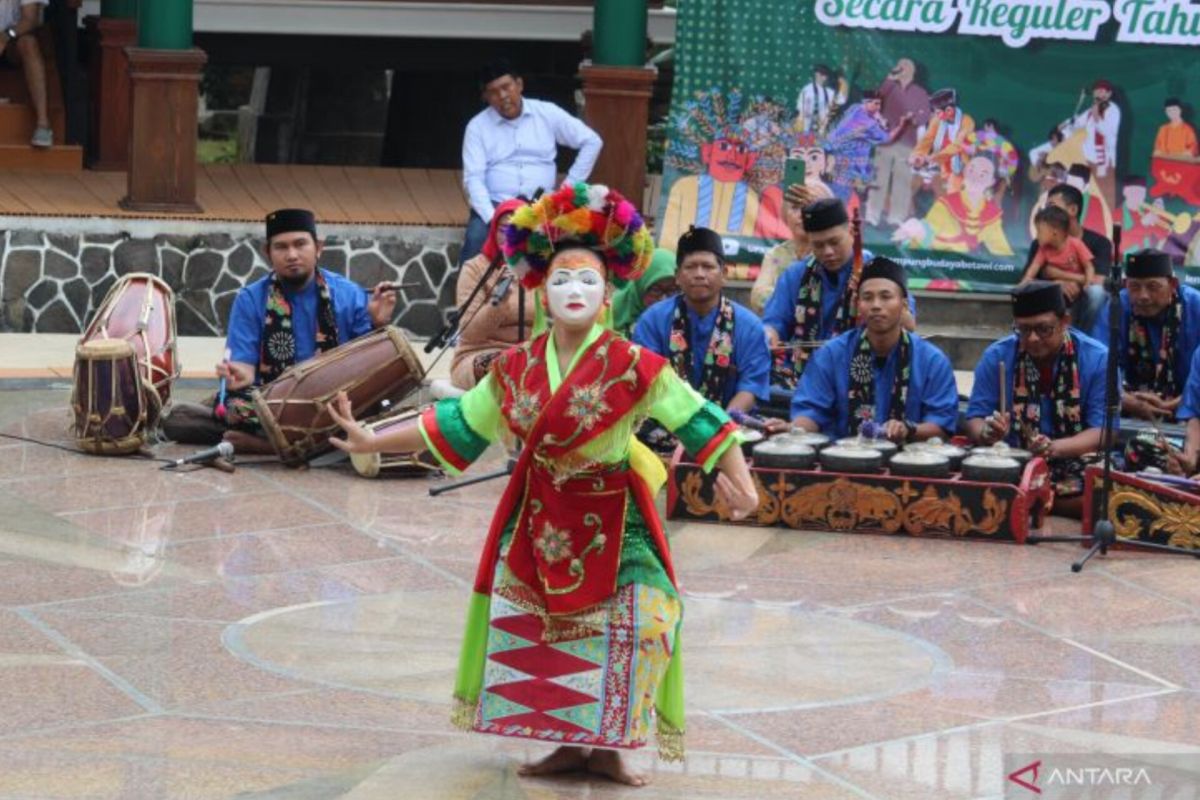
Jakarta (ANTARA) - Betawi dance maestro Kartini Kisam has admitted that she was once a shy person, but gradually, dancing helped her become confident. “From this dancing, I became confident, because I used to be shy. Because of learning to dance, I became confident in front of an audience,” said Kartini in a podcast monitored in Jakarta on Saturday. Armed with the confidence gained from dancing, the preserver of the Tari Topeng Tunggal (Single Mask Dance) then guided children to perform the traditional dance, and this made her proud. Not only that, dancing also took Kartini outside Jakarta, and even outside Indonesia on cultural missions. In various regions, she introduced Betawi dance widely. “Introducing Betawi dance to regions, including Java, Bali, Sunda, Sumatra, and Kalimantan. Then I was also invited abroad by the culture department and arts council, all through dancing,” said Kartini. Kartini learned to dance from the age of 13 from her grandmother, Mak Kinang, and has now been involved in the art form for 50 years. “As the third generation, I learned from my grandmother. I learned it as a traditional dance, so not from an academy, it was passed down through generations,” Kartini revealed. “I always give lessons and introduce everything from the art of dance, its culture, its history, to introducing the historical customs of Jakarta, so that people get to know Betawi culture and the cultures that exist in Indonesia,” said Kartini. She also expressed gratitude that traditional dance competitions are currently becoming more widespread, thus increasing public interest in learning Betawi dance. “Whether from schools, from dance studios, or universities, they are starting to want to learn about the dance and culture of Jakarta, and Betawi itself,” Kartini added. For her, with various challenges, one of which is modern dance being popular among young people, introducing traditional dance must continue so that the younger generation loves their culture more. “Without us introducing it, the history and culture itself will disappear. Traditional dance is a cultural art that needs to be cherished, must be cared for, preserved, and passed on, so that cultural art remains triumphant throughout the ages,” concluded Kartini.