
Berkshire Hathaway's Cash Reserves Reach Rp 6.868 Trillion, Highest in History
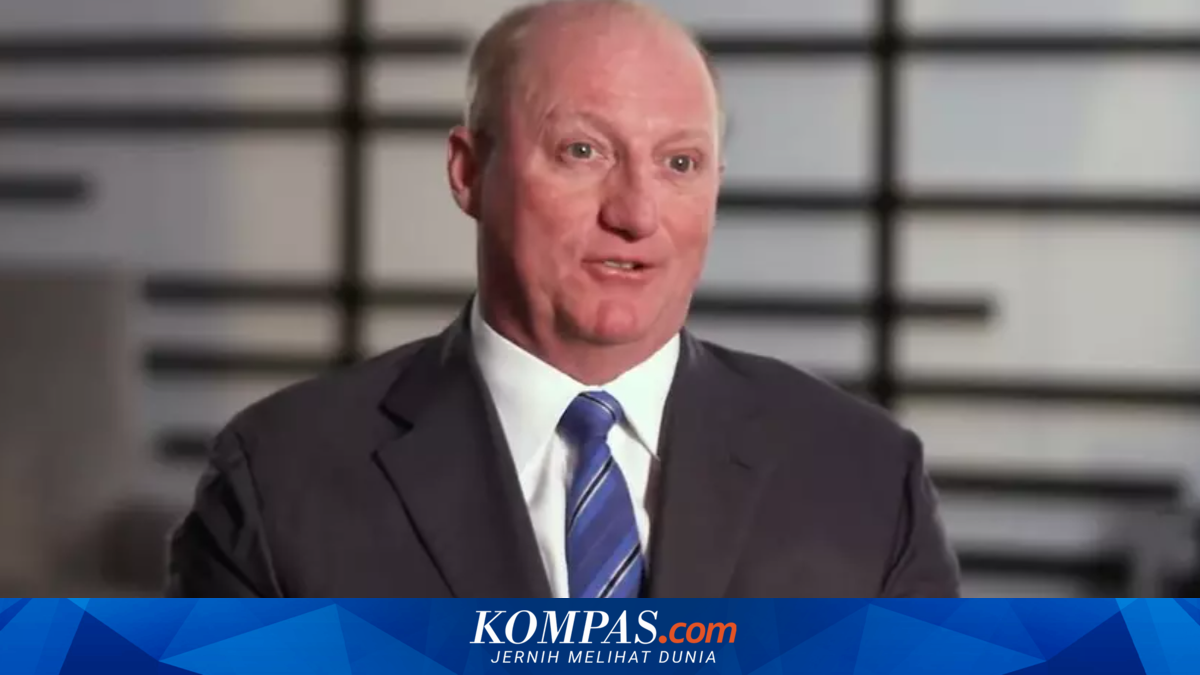
Berkshire Hathaway has recorded a surge in cash reserves and strengthened operational profits in the first quarter of 2026 under the leadership of new CEO Greg Abel.
Citing Bloomberg on Sunday (3 May 2026), Berkshire Hathaway’s cash reserves stood at $397 billion, or approximately Rp 6,868.1 trillion (assuming an exchange rate of Rp 17,300 per US dollar). This figure rose to the highest level in history after previously weakening at the end of last year.
The increase was supported by net divestments of shares worth $8.1 billion, or approximately Rp 140.13 trillion, during the January–March 2026 period.
Greg Abel, who replaced legendary investor Warren Buffett as CEO this year, also reactivated the share buyback programme.
In that quarter, the company repurchased shares worth $234.2 million (approximately Rp 4.05 trillion).
This buyback move reflects management’s confidence that the intrinsic value of the shares remains higher than the market price. The decision was previously agreed upon with Buffett before the leadership transition.
At the annual meeting in Omaha, Nebraska, Greg Abel led the shareholders’ meeting as CEO for the first time. Meanwhile, 95-year-old Warren Buffett remained present and delivered a brief address.
Berkshire Hathaway’s performance often serves as a barometer for the US economy due to its extensive business portfolio, ranging from insurance and rail to energy and manufacturing.
In the insurance segment, underwriting profits rose to $1.7 billion, or approximately Rp 29.41 trillion, growing by about 29 per cent compared to the previous year, which was impacted by losses from wildfires in Los Angeles.
CFRA Research analyst Cathy Seifert assessed that Geico’s performance lagged behind its competitors. “Most of Geico’s competitors recorded significant improvements in underwriting results this quarter,” she said.
Meanwhile, net profits from the BNSF Railway unit rose 13 per cent to $1.4 billion (approximately Rp 24.22 trillion). This performance is seen to reflect the initial impact of cost efficiencies under CEO Katie Farmer’s leadership.
Abel described the results as a positive start, though he emphasised that there is still room for improvement, particularly in operational efficiency and profit margins.
For its stake in Kraft Heinz, Berkshire has not yet recorded a new impairment.
The book value of its investment remains higher by about $1.4 billion, or approximately Rp 24.22 trillion, compared to its fair value. Last year, the company recorded an impairment loss of $3.8 billion, or approximately Rp 65.74 trillion.