
Bentley alters strategy regarding electric vehicle rollout for 2030
Bentley, the British manufacturer, is altering its electrification strategy by abandoning the target to become a fully electric car producer by 2030, according to a report from CarsCoops.
The car manufacturer has chosen a more flexible approach, continuing to develop electric vehicles (EV), plug-in hybrids (PHEV), and internal combustion engines (ICE).
This strategic shift comes amidst the development of the electric vehicle market, which is deemed difficult to predict, alongside changes in regulatory policies in several countries.
Previously, through its Beyond100 programme in 2020, Bentley aimed for its entire product range to transition to plug-in hybrid or EV models starting in 2026, before becoming a fully electric brand by 2030.
Bentley CEO, Frank-Steffen Walliser, stated that current conditions in the automotive industry mean that long-term planning can no longer be conducted using previous patterns.
According to Walliser, Bentley needs the ability to adjust production in response to changes in consumer demand and regulation. One of the measures being prepared is the production of electric vehicles and plug-in hybrids on the same production line.
This strategy will allow Bentley to alter its production composition based on market developments without having to build entirely separate production facilities for each type of powertrain.
Bentley is also accelerating the development of new models. The vehicle development time, which previously took approximately four years, is now targeted to decrease to 36 months, or three years.
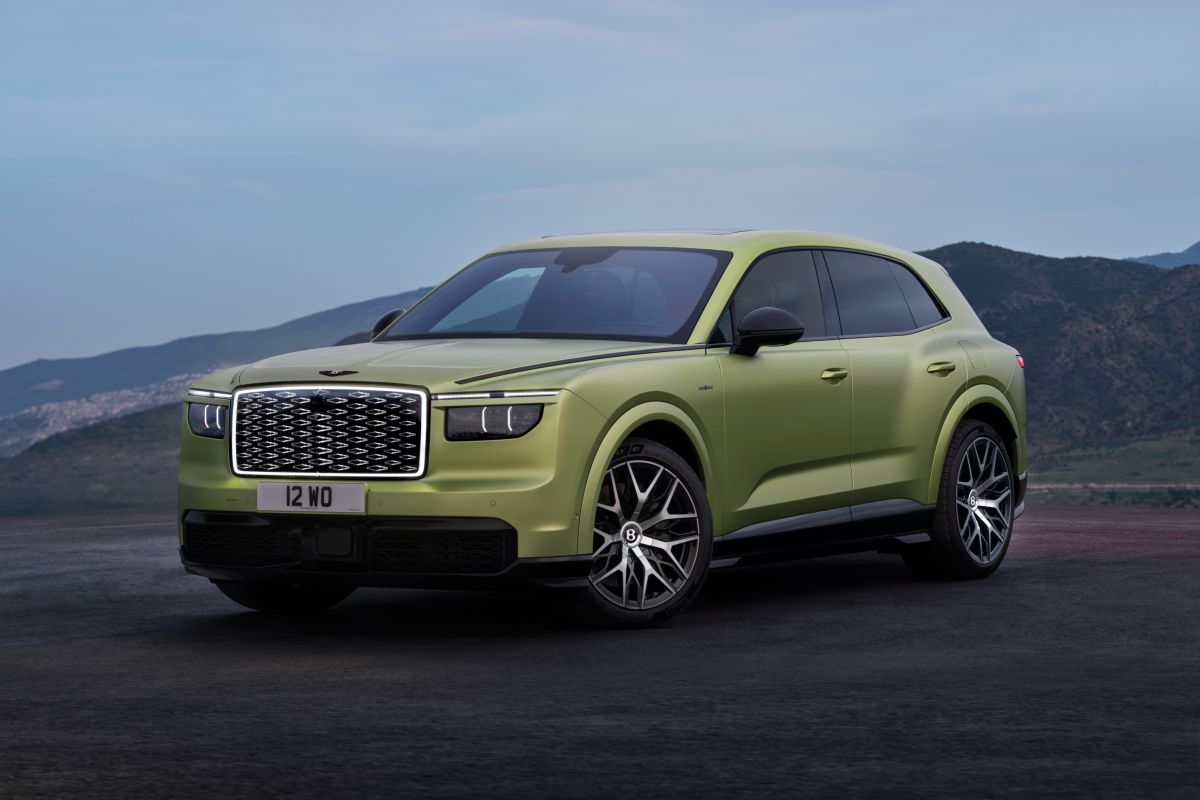
Meanwhile, the Bentley Torcal will be the brand’s first electric model. This car utilises a dedicated EV platform and offers a range of up to 604 kilometres.
Bentley has confirmed that it will not introduce a plug-in hybrid version for the Torcal, due to the use of a pure EV platform and product positioning considerations to avoid overlap with the Bentayga.
With these changes, Bentley now places technological flexibility as a vital part of its electrification strategy, while maintaining the option for conventional engines and PHEVs as long as market demand persists.