
Bengkulu Law Ministry Office Ready to Implement New Legal Service Tariff Regulation
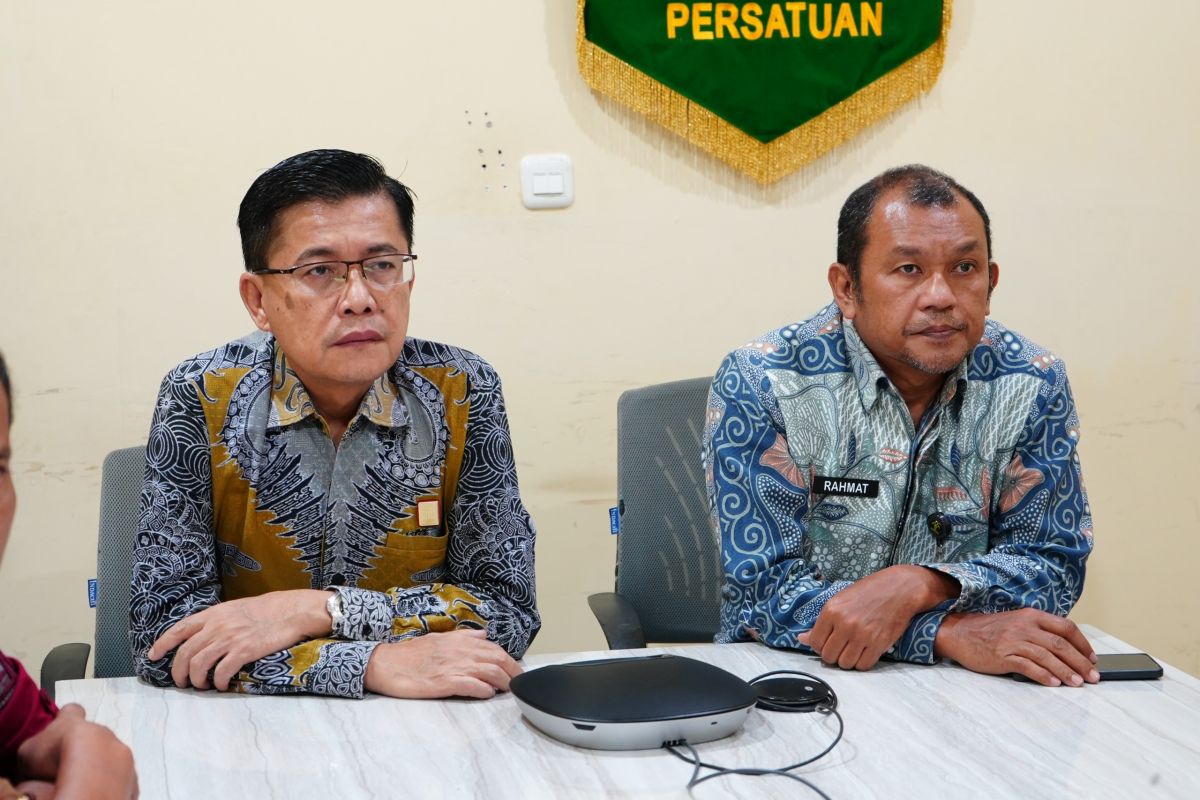
The Bengkulu Regional Office of the Ministry of Law has stated it is ready to implement Government Regulation No. 30 of 2026 concerning Types and Tariffs for Non-Tax State Revenue (PNBP), which has newly come into effect to improve certainty and the quality of legal services for the public. “We are committed to implementing this regulation consistently through professional, transparent, and digitally-based services so that the public obtains service certainty as well as ease in accessing various legal services,” said Tongam Renikson Silaban, Head of the Legislation and Legal Development Division of the Ministry of Law’s Bengkulu Regional Office, in Bengkulu on Thursday. The commitment was conveyed after the Bengkulu Regional Office staff participated in a virtual socialisation of Government Regulation No. 30 of 2026, which was attended by all work units within the Ministry of Law. “This socialisation serves as an important provision for all staff to thoroughly understand the new provisions regarding the types and tariffs of PNBP,” he said. The activity was attended by the Head of the Legislation and Legal Development Division, Tongam Renikson Silaban, Head of the Administrative and General Affairs Division, Rahmat Huda, along with relevant officials and working teams. During the socialisation, it was explained that the drafting of Government Regulation No. 30 of 2026 aims to optimise non-tax state revenue, adjust service types and tariffs in line with regulatory developments, and improve the quality of public services to be more effective and oriented towards legal certainty. The regulation also governs the types of services subject to PNBP, the tariff amount for each service, provisions for a Rp0 tariff for certain services in accordance with laws and regulations, as well as the payment and deposit mechanism for PNBP through an electronically integrated system. Furthermore, Government Regulation No. 30 of 2026 contains a number of changes, including tariff adjustments for several services, the addition and refinement of service types subject to PNBP, and regulatory simplification to support faster, more efficient, and digitally-based services. The Bengkulu Regional Office of the Ministry of Law stated that the implementation of this regulation will provide tariff certainty for the public and the business sector while strengthening more transparent and accountable PNBP governance. The enforcement of this new rule is also expected to support bureaucratic reform through legal services that are increasingly easy, fast, and reliable.