
Benefits of Shield Technology in Window Film
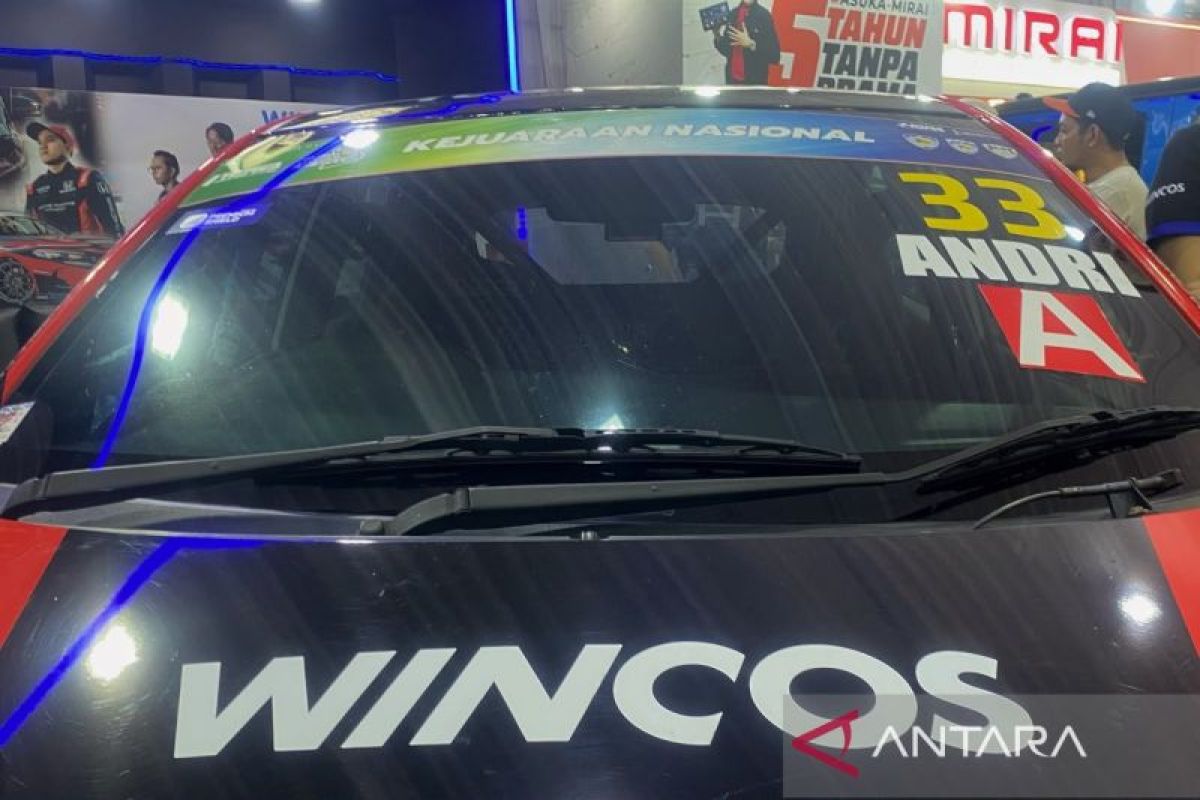
The use of technology in window film continues to evolve in response to increasing global consumer demand and feedback. At the Gaikindo Indonesia International Auto Show (GIIAS) 2026, Wincos presented new technology that prioritises heat rejection capabilities alongside the preservation of visibility.
One of the innovations introduced is ‘Shield’ technology, designed to help reduce solar heat exposure within the cabin without compromising the driver’s clarity of vision. “Thermal Shield, Premium Shield, and Wincos Shield each possess their own characteristics, but they all prioritise quality, driving comfort, and Japanese technology as the primary foundation of Wincos,” said Yutaka Miura, President Director of PT Lintec Jakarta, at ICE BSD, Tangerang, on Saturday.
According to Miura, this technology utilises special material layers capable of filtering infrared radiation and ultraviolet (UV) rays, the two main components responsible for rising temperatures inside vehicles. The use of such technology is becoming increasingly relevant in Indonesia, which possesses a tropical climate with high solar intensity throughout the year.
A cooler cabin is believed to not only enhance comfort during journeys but also help reduce the workload of air conditioning (AC) systems. Consequently, vehicle energy usage becomes more efficient, which is particularly vital for electric vehicles that rely heavily on power efficiency.
In addition to acting as a heat rejector, Shield-based window film is designed to provide a clear view from inside the cabin. This is crucial, as good visibility is a key factor affecting driving safety, especially when driving at night or during rain. The technology also offers protection against UV rays that can accelerate the fading of vehicle interior materials, such as seats, dashboards, and door panels. Furthermore, filtering UV rays helps reduce direct exposure to the skin of drivers and passengers during long journeys.
In its development, Shield technology combines Nano Infrared Rejection Technology with an Extruded Dye Film layer. This combination allows the window film to reduce heat and solar glare more effectively without requiring excessive darkness levels. As a result, users maintain privacy from outside the vehicle while retaining the ability to see road conditions comfortably.
The development of window film technology indicates a shift in consumer needs. Beyond aesthetics, vehicle owners are increasingly considering energy efficiency, interior protection, and driving safety. The presence of technologies like Shield illustrates how the automotive support industry continues to innovate to meet these demands, as the number of both conventional and electric vehicles requiring more comfortable cabins and more efficient energy consumption continues to rise.