
Benefits of Free Nutritious Meal Programme: Fewer Hungry Students and Improved Child Nutrition
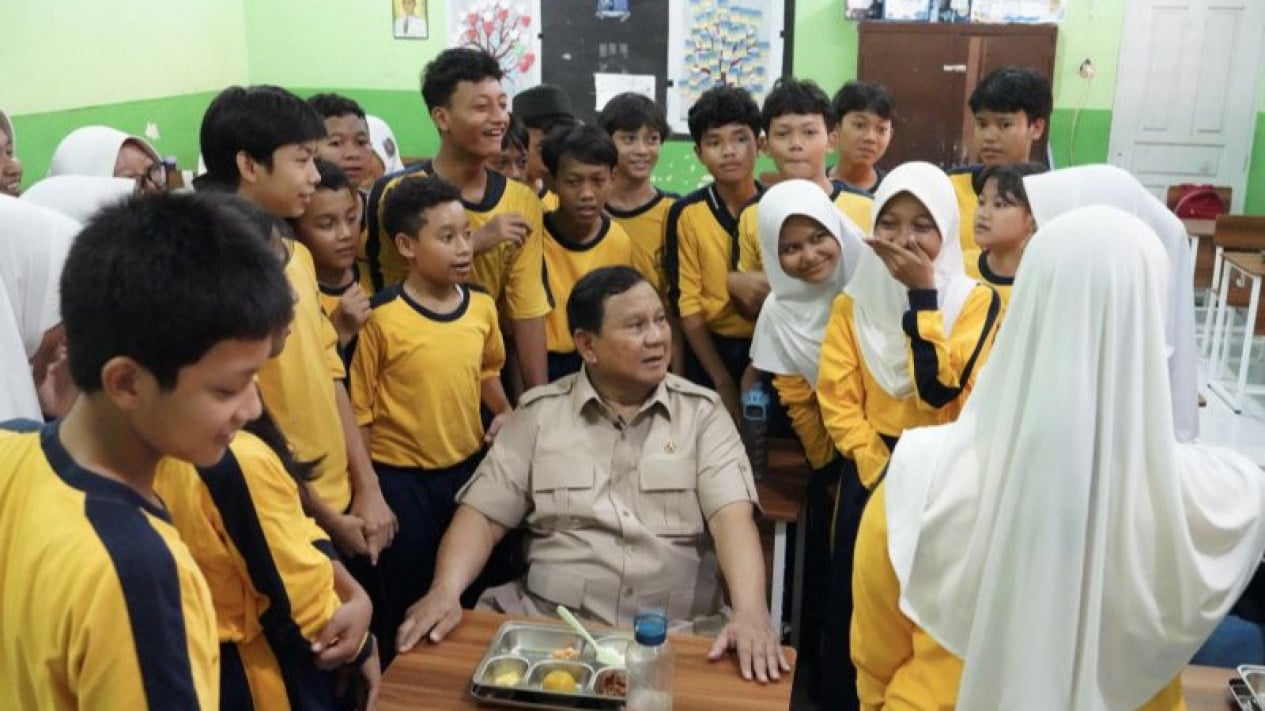
Head of the Government Communication Body (Bakom) Muhammad Qodari outlined several positive findings from the implementation of the Free Nutritious Meal (MBG) programme. Based on research conducted by the National Development Planning Agency (Bappenas), the programme has proven capable of significantly reducing the number of students experiencing hunger while participating in learning activities at school. According to Qodari, before the MBG programme was implemented, the majority of Indonesian students attended lessons on an empty stomach. This condition was considered potentially disruptive to learning concentration and detrimental to the quality of education. “There is already research from Bappenas, I read the report in November (2025). So it turns out, before MBG existed, many of our students were actually hungry while at school. The number who were hungry at that time, while at school, hungry, listening to the teacher hungry, was 56 percent,” Qodari said on Thursday, 18 June 2026. He explained that after the MBG programme was implemented and carried out well, the number of students who felt hungry while at school dropped sharply to just 16 percent. “That is a large decrease,” Qodari said. Conversely, the number of students who attended lessons on a full stomach increased almost twofold. If previously only 43 percent of students felt full while studying, now the figure has reached 84 percent. “This is a benefit that people do not yet know,” Qodari continued. Besides impacting student satiety levels, the MBG programme has also succeeded in improving the quality of nutritional consumption among Indonesian children. One indicator is the increase in fruit consumption, which jumped from 26 percent to 84 percent. “When we talk about vitamin C, fruit is good for digestion, it turns out our children previously ate very little fruit. The majority did not eat fruit. Now it has risen by 58 percent, from 26 percent to 84 percent,” Qodari explained. An increase also occurred in animal protein consumption. Based on Bappenas data, students’ animal protein consumption increased from 65 percent to 90 percent following the implementation of MBG. “This is good. We want Indonesian football to advance, with big, tall bodies. Like Japanese players, their bodies are already big and tall. Their brains are smart, their nutrition is good. We should no longer be called a nation with a low IQ. Where does that come from? From protein,” he said.