
Beneficiaries of Mudik-Friendly Mosques Increase by 122%
The number of beneficiaries of Mudik-Friendly Mosques (MRP) during the Lebaran mudik and return flows for 1447 H/2026 CE is increasing significantly. The Ministry of Religious Affairs (Kemenag) recorded that the number of mudik travellers stopping at mosques reached 3,592,348 people, a significant increase compared to 2025, which recorded 1,617,641 people.
This figure does not include mudik travellers who utilised viharas, churches, and places of worship of various religions that also provided mudik-friendly services during the Lebaran holiday.
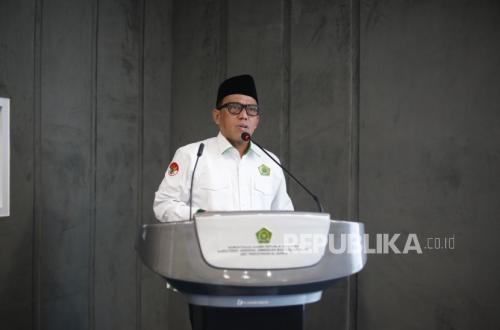
Director of Islamic Religious Affairs and Sharia Development, Arsad Hidayat, stated that this increase indicates growing public trust in worship-based services along mudik routes. This is also inseparable from the socialisation efforts carried out, so that the public increasingly understands the existence of Mudik-Friendly Mosques.
“There was an increase of around 122 percent compared to the previous year. This shows that mosques are increasingly trusted as safe, comfortable, and open resting places for mudik travellers,” said Arsad in Jakarta via a written statement on Tuesday (7/4/2026).
He explained that the increase in the number of visitors is inseparable from the improved readiness of services in the field. Thousands of involved mosques have been prepared with adequate basic facilities and supported by administrators and volunteers.
According to Arsad, in 2026 the Ministry of Religious Affairs prepared 6,859 mosques spread across various strategic areas, especially on main routes such as Pantura, Trans Java, and Trans Sumatra. All these mosques operate 24 hours from H-9 to H+7 of Idul Fitri.
In 2025, the programme involved 8,710 mosques with around 1.6 million visitors. Arsad sees a significant increase in utilisation along with the increasingly optimal quality of mosque services on mudik routes. “The utilisation rate has increased sharply. This indicates that the services provided are increasingly on target and needed by the public,” he explained.