
Belgium maintains opposition to using Russian assets for Ukraine
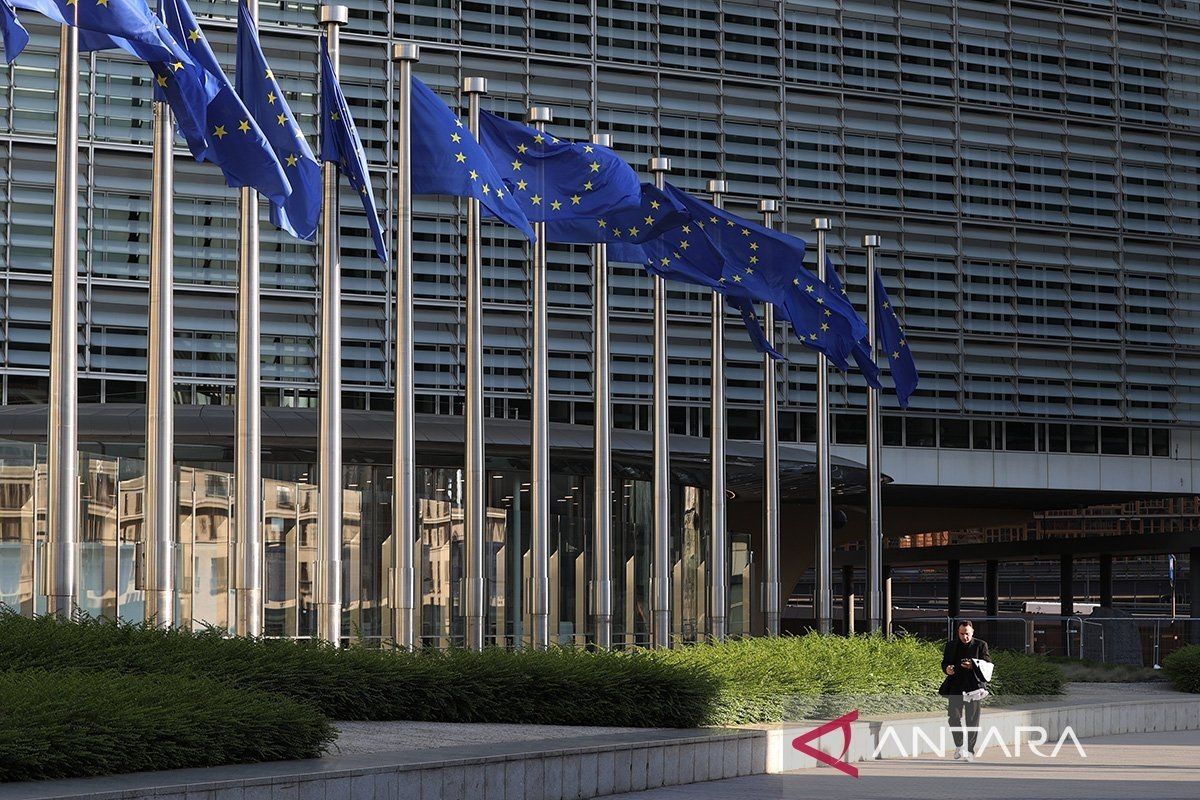
Belgium’s Foreign Minister Maxime Prevot has reaffirmed that his country remains opposed to using frozen Russian assets to finance Ukraine, citing the continued risks associated with such a move.
Prevot’s statement came after a number of European Union member states sent a letter to the European Commission last week to renew their push for the use of frozen Russian state assets to fund Ukraine.
“Belgium’s position is well known and consistent. It has not changed since last year. In particular, the risks associated with the use of those assets have not magically disappeared,” Prevot told Politico.
On 19 December 2025, the EU summit in Brussels decided to shelve plans to confiscate Russian state assets for the time being. Instead, the bloc agreed on a loan of 90 billion euros (approximately Rp1,859.86 trillion) to Ukraine sourced from the EU budget.
European Commission President Ursula von der Leyen’s proposal to seize Russian assets had previously met with opposition from Belgian Prime Minister Bart De Wever.
Since the start of Russia’s special operation in Ukraine, the EU and a number of G7 countries have frozen nearly half of Russia’s gold and foreign exchange reserves, worth around 300 billion euros (approximately Rp6,185.34 trillion).
More than 200 billion euros of those assets are held in the EU, primarily in Euroclear accounts in Belgium, one of the world’s largest clearing and settlement systems.
Russia’s Foreign Ministry has repeatedly described the freezing of Russian assets in Europe as theft.
Moscow has stressed that the measures target not only private funds but also assets belonging to the Russian state.
In addition, Russian Foreign Minister Sergey Lavrov has said Moscow will respond if Western countries seize the frozen Russian assets.
Lavrov stressed that Russia has the option of not returning funds belonging to Western countries that are held in Russia.