
Bekasi's Traditional Ujungan Art Designated as National Intangible Cultural Heritage
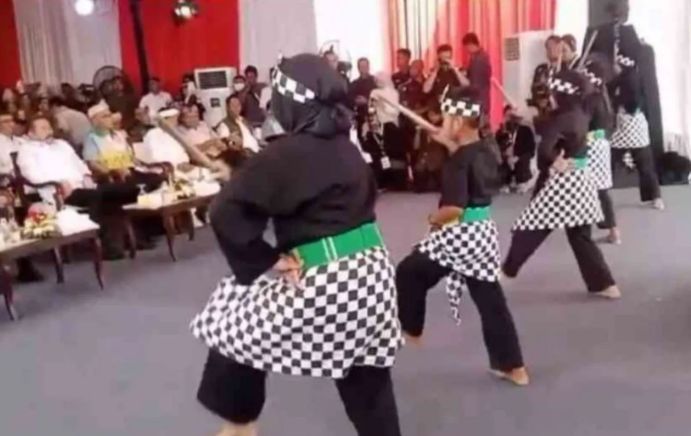
The Ministry of Culture, through the Directorate General of Cultural Protection and Tradition, has officially designated the traditional performing art of Ujungan from Bekasi Regency, West Java, as Intangible Cultural Heritage (WBTB).
The Chairman of the Bekasi Cultural Arts Stakeholders (Pangsi), Drahim Sada, stated that the designation was officially announced by the government on Friday (3/7). He noted that this achievement is a significant milestone for cultural preservation efforts in the region.
“In addition to strengthening efforts to maintain local traditions, the recognition also affirms Uintungan as one of the cultural identities of Bekasi Regency, which is now recognised nationally,” said Drahim, as quoted from Antara on Tuesday (7/7).
He explained that Ujungan is a tradition that has existed among the people of Bekasi since before the independence era, around the 1940s. During that period, Bekasi was known as an agrarian region with vast expanses of rice fields, and this tradition became part of harvest festival celebrations.
Beyond merely showcasing agility using rattan sticks, Ujungan also serves as a gathering point for martial artists (jawara) from various villages to strengthen brotherhood. “Ujungan is performed during harvest festivals. Jawara from various villages gather not to fight, but as a form of play and friendship,” he said.
Drahim emphasised the values passed down through the Ujungan tradition, namely the spirit of togetherness, social connection, and brotherhood among the community. “The social message is friendship. The match serves as a way for village jawara to socialise within the atmosphere of the harvest celebration.”
He expressed hope that the Bekasi Regency Government would become more active in featuring Ujungan in various official regional agendas as a form of cultural preservation following its official WBTB status. He also encouraged Ujungan to develop into a traditional sports branch under the auspices of the Indonesian Committee for Community Sports Recreation (KORMI) to increase public awareness.
Meanwhile, the Vice Chairman of the Bekasi Regency Regional Cultural Council, Ahmad Djaelani, assessed that the national recognition of the Ujungan traditional art is the result of a long process involving many parties. “We welcome it with great pride. This recognition is certainly not an instant process but the sweet fruit of hard work and collaboration between cultural communities, art practitioners, and support from the local government,” he said.
Djaelani stated that national recognition is not the end of the struggle but the beginning of a shared responsibility to maintain the continuity of the tradition. “This is a momentum for all elements of society in Bekasi Regency to continue preserving the noble values of sportsmanship and bravery in Ubugan and ensure this ancestral heritage remains alive and known by future generations.”
Ujungan is a unique traditional art consisting of three elements: the martial arts skills of the players, the dance displayed in the ‘uncul’ segment, and music provided by the sampyong and tok-tok percussion instruments as accompaniment. The word ‘ujungan’ originates from the Sundanese word ‘jung’, meaning from the knee downwards, which evolved into ‘ujung’ meaning foot. Some Bekasi figures suggest ‘ujungan’ comes from ‘ujung’ meaning ‘bongkot’ in the Bekasi dialect, referring to either the tip of the rattan or the tip of the foot.
Alongside Sego Boran, several other traditions and cultures from Lamongan have also been designated as Indonesia’s Intangible Cultural Heritage, including Kentrung art, Jaran Jenggo, Mendhak Sanggring, and Perahu Ijon-Ijon. The designation of 514 Intangible Cultural Heritages this year is an extraordinary achievement, resulting from 804 proposals submitted by 35 provinces. Nasi Megono and Lopis Krapyak were designated as WBTB on 8 October 2025. This tradition, originating from Pandansari Village, Paguyangan District, Brebes Regency, falls under the domain of Community Customs, Rites, and Celebrations. Minister of Culture Fadli Zon expressed that culture serves as a unifying tool to face global challenges because it is capable of connecting people through shared stories, values, and expressions.
Source: jawawa.id (https://jawawa.id/newsitem/bekasis-traditional-ujungan-art-designated-as-national-intangible-cultural-heritage-1783432310)
Originally published by Media Indonesia (https://mediaindonesia.com/megapolitan/908479/seni-tradisional-ujungan-dari-bekasi-ditetapkan-jadi-warisan-budaya-tak-benda), translated from Indonesian