
Bekasi Waste-to-Energy Plant Construction to Be Inaugurated on Wednesday
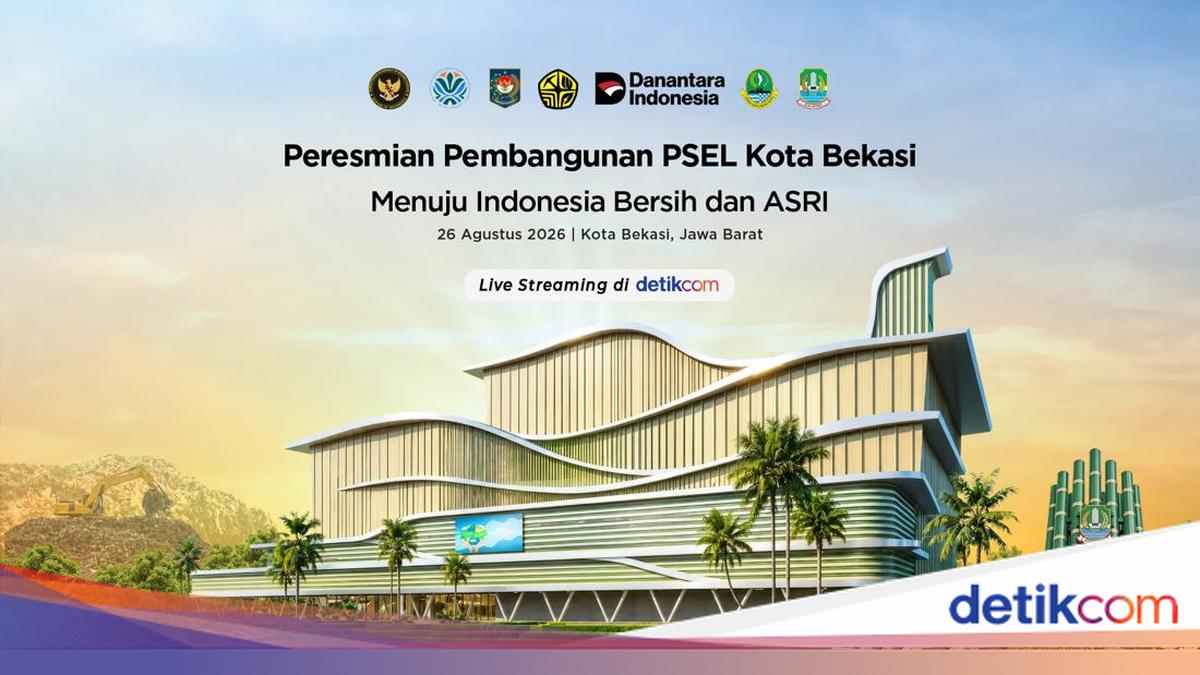
Concrete steps to address the national waste emergency continue to be accelerated through the development of Waste-to-Energy (PSEL) facilities. As a strategic pilot project, the inauguration ceremony for the Bekasi PSEL construction will be held on Wednesday (26/8) starting at 09.45 WIB in Bantargebang, Bekasi.
This cross-sector collaborative event will be attended by ministers, heads of agencies, and regional officials, including: Coordinating Minister for Food Zulkifli Hasan, CEO of BPI Danantara Rosan Roeslani, Minister of Energy and Mineral Resources Bahlil Lahadalia, Minister of Environment Moh. Jumhur Hidayat, Governor of West Java H. Dedi Mulyadi, Chief of Staff of the Indonesian Army Maruli Simanjuntak, and the CEO of PT Danantara Investment Management.
The development of large-scale PSEL technology is a key government instrument in tackling urban waste piles that exceed capacity. Through strategic government coordination, the acceleration of PSEL in 40 major cities is targeted for completion between 2027 and 2028.
“For the emergency and large-scale ones, above 1,000 tonnes, we will build PSEL or Waste-to-Energy. Previously, in 11 years only two permits were issued; now we have streamlined the process through a Presidential Regulation. Alhamdulillah, we are targeting completion in 2027-2028 for 40 waste emergency cities,” said Zulhas in the #ZulhasBikinJelas programme with detikcom.
“The target is that by 2029, 70-80 per cent of the waste problem will be resolved. Through improvements to the Presidential Regulation, we are accelerating PSEL construction in waste emergency cities with waste volumes exceeding 1,000 tonnes per day,” Zulhas stated.
In addition to PSEL construction at city-scale landfill sites, the government also emphasises the importance of community participation in managing the remaining 20 per cent of the waste problem at the household level. Upcoming regional regulations will require residential areas to sort waste at source.
“We will resolve this by 2029, hopefully 70-80 per cent of the waste problem will be solved. The remaining 20 per cent is at the household level, which indeed requires more time and education,” Zulhas explained.
Zulkifli also stressed that waste sorting at source is key to reducing the waste problem. According to him, waste that is mixed from the outset makes the processing more difficult.
“The remaining 20 per cent is household waste. So regional regulations will later require households and residential areas to sort organic and inorganic waste from the kitchen,” he added.
The Bekasi PSEL inauguration ceremony can be watched live via streaming on detikcom starting at 09.45 WIB.