
Bekasi Regency's 'People's School' Ready to Accommodate 270 Students in First Academic Year
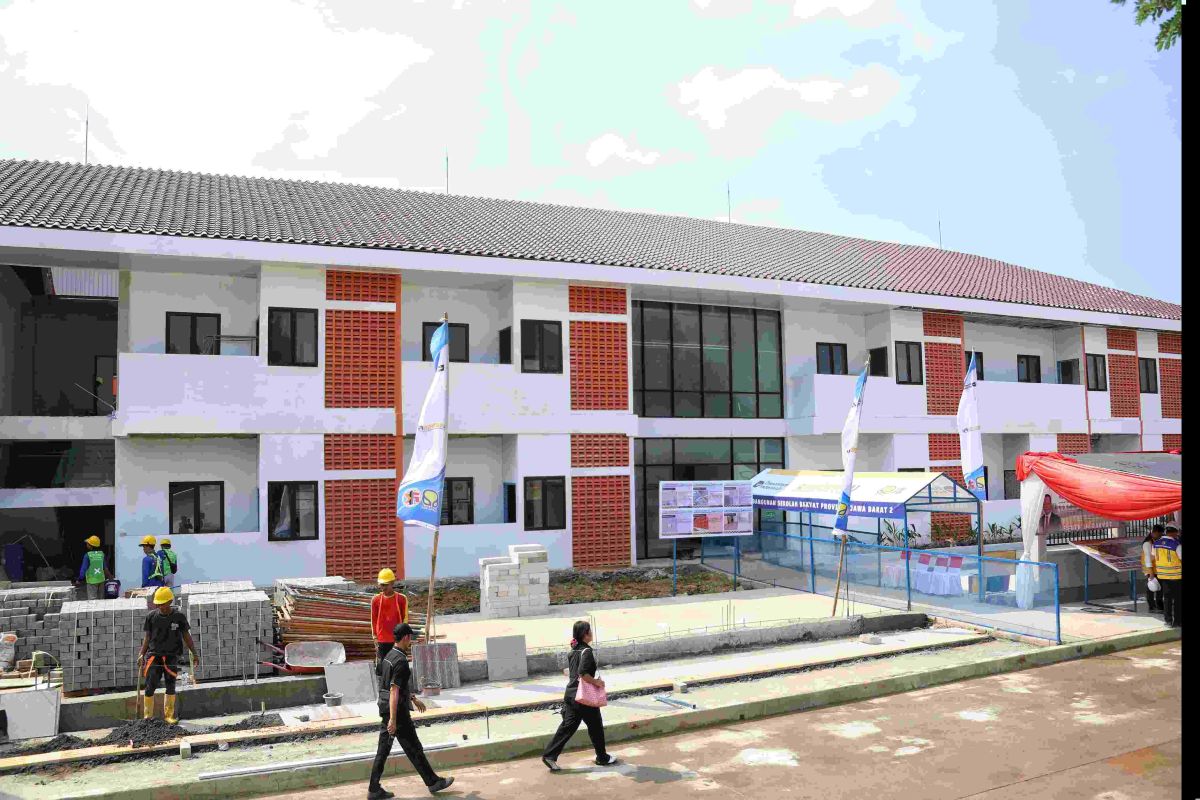
The ‘Sekolah Rakyat’ programme in Bekasi Regency is confirmed to begin teaching and learning activities in the 2026-2027 Academic Year, which commences at the end of June. Head of the Bekasi Regency Social Service, Alamsyah, stated that the West Java Province 2 People’s School, located in Sukamahi Village, Cikarang Pusat District, will accept new students while also accommodating Bekasi Regency pupils from the pilot People’s School previously operating in Bekasi City. “God willing, teaching and learning activities will begin in the 2026 Academic Year at the end of this June. In accordance with the established quota, the People’s School in Bekasi Regency will accept new students specifically for Bekasi Regency residents and also Bekasi Regency students whom we previously placed in the pilot SR in Bekasi City,” Alamsyah said. He noted that the school will open nine study groups consisting of three groups for elementary level, three for junior high level, and three for senior high level. Each group will be filled by 30 students, making the total quota for new students in the 2026-2027 Academic Year 270 people. “The total quota for prospective Bekasi Regency students is 270 students, consisting of 90 students from each level of elementary, junior high, and senior high school,” he explained. Furthermore, 44 students who are Bekasi Regency residents previously studying at the pilot People’s School in Bekasi City will be transferred to the permanent People’s School in Bekasi Regency. “So this year, the People’s School in Bekasi Regency will accept new students for 2026 as well as students from the pilot People’s School, whose learning activities will begin at the end of June 2026,” he added. Alamsyah stressed that the programme’s main target is families categorised as decile 1 and decile 2, or poor and extremely poor community groups, based on central government data. The process of collecting prospective student data is carried out based on data from the Ministry of Social Affairs, which is then verified jointly with the Central Statistics Agency and Family Hope Programme assistants. The Head of the Social Service also confirmed that the physical construction of the school is progressing according to plan. The central government, through the Presidential Staff Office, has also conducted a direct review of the construction progress. He expressed hope that the programme would prevent children from dropping out of school due to economic limitations while producing a higher quality generation in the future.