
Bekasi Regency Expands Waste Bank Programme to Reduce Burden on Burangkeng Landfill
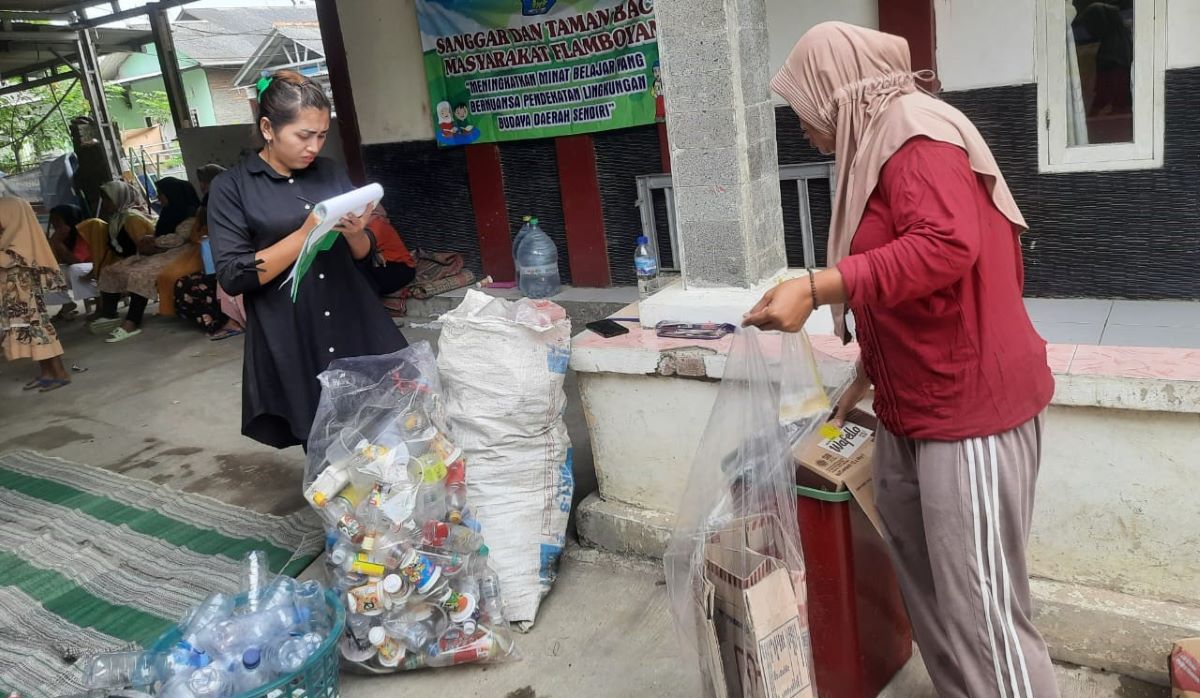
The Bekasi Regency Government in West Java is continuing to encourage a shift in the public mindset regarding waste management. By optimising the waste bank programme, household waste is now being directed not only away from landfills but also towards providing added economic value for residents.
Head of the Bekasi Regency Environmental Agency (DLH), Syafri Doni Sirait, revealed that as of April 2026, the number of waste banks in the region had reached 556 units. This achievement places Bekasi Regency as the area with the highest number of waste banks in Indonesia. “Our target is one waste bank per community unit (RW). Currently, there are only 556 units, while the number of RWs in Bekasi Regency is around 3,000. This means there is still significant room for development,” Syafri said at the DLH Office in Central Cikarang on Thursday (23/7).
The success of expanding waste banks is not solely driven by a large government budget, but by the growth of independent awareness within the community. Before forming a new unit, the DLH provides special training to RW administrators to educate residents on how to sort waste at the source. “People used to think that collecting waste was a useless job. After running it for one to two years, it turns out the results can provide additional income. That is where the community’s mindset began to change,” Syafri stated. He explained that various types of waste, such as plastic, paper, glass, and used cooking oil, now have their own market segments. Used cooking oil, which was often discarded into waterways and polluted the environment, currently has a selling value of around Rp6,000 per kilogram.
To maintain the sustainability of the recycling chain, the Bekasi Regency Environmental Agency has established partnerships with several processing companies. The next strategic step is to establish a central waste bank in every village, which will also function as a Reduce, Reuse, Recycle Waste Processing Site (TPS 3R). The existence of central waste banks is believed to be able to boost the upstream selling value of waste because the waste commodities will have undergone an initial shredding process before being distributed to the recycling industry. “We are working to ensure that the construction of central waste banks is not fully funded by the regional budget, but through collaboration with village governments, village-owned enterprises (BUMDes), and the private sector,” he said. Syafri hopes that the active participation of residents in sorting household waste can significantly reduce the volume of waste sent to the Burangkeng Final Processing Site (TPA).