
Bekasi Regency Claims to Have the Most Waste Banks in Indonesia
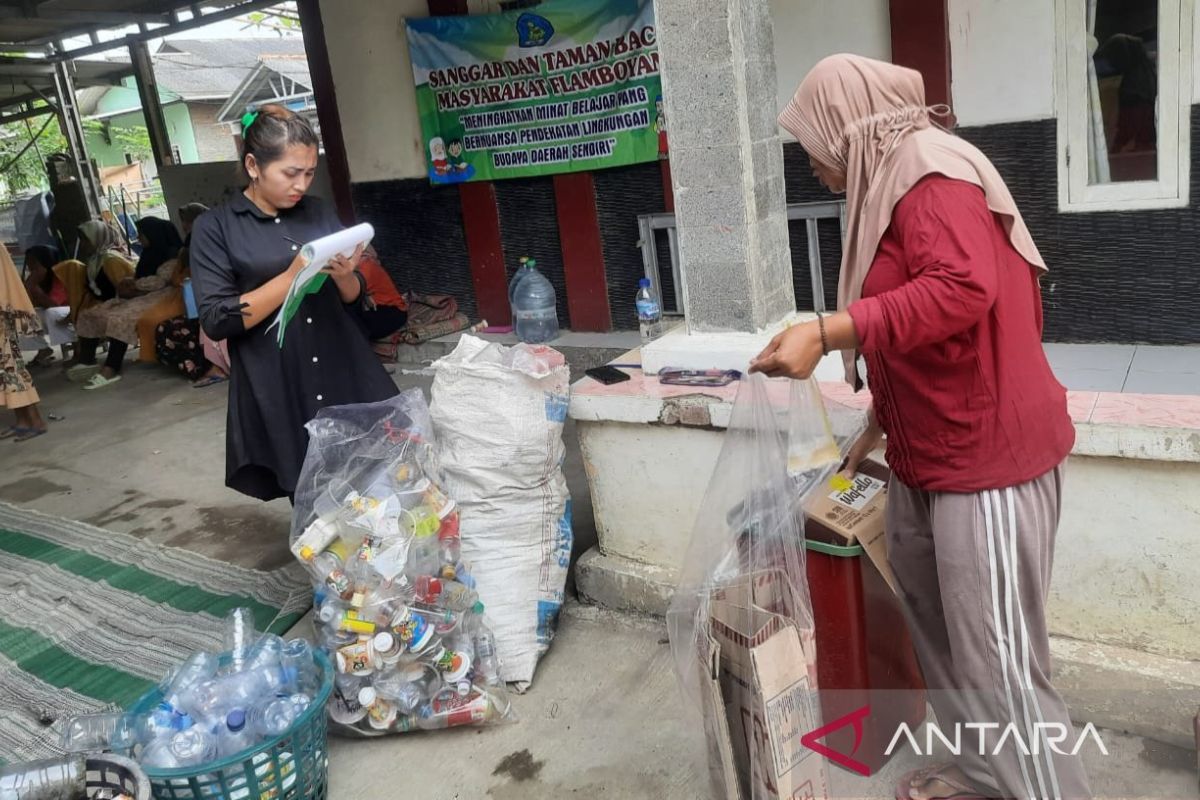
The Bekasi Regency Government in West Java claims to have the largest number of waste banks in Indonesia, with 556 units currently processing waste directly at source through a community empowerment work scheme.
“As of April 2026, there are at least 556 waste bank units, and the number continues to grow, making Bekasi Regency the area with the highest waste bank activity in Indonesia,” said the Head of the Bekasi Regency Environmental Agency, Syafri Donny Sirait, in Cikarang on Saturday.
He said the intensity of waste bank activity in the regency has been driven by a shift in how communities view rubbish — no longer seen merely as waste, but as something with economic value that can boost incomes.
Donny said the agency aims for every Rukun Warga (RW) neighbourhood to have its own waste bank unit, hoping this will help reduce the volume of waste sent to the Burangkeng landfill owned by the Bekasi Regency Government in Setu District.
“Our target is one waste bank per RW. We currently have only 556 units, while there are around 3,000 RWs in Bekasi Regency. That means there is still significant room for growth,” he said.
According to him, the success of managing waste at source is not due to the size of the budget allocated by the regional government, but rather to growing public awareness that rubbish has economic value.
The agency first provides training to RW officials before establishing a new waste bank unit, so that they can in turn educate residents on sorting waste.
“People used to think collecting rubbish was a pointless activity. But after running it for one to two years, it turned out the results could provide extra income. That is how people’s mindset began to change,” he said.
He explained that various types of waste — plastic, paper, glass and even cooking oil — now have a market. Even used cooking oil, previously discarded into drains, can now be sold for Rp6,000 per kilogram, providing economic value while helping to reduce environmental pollution.
The agency has also established partnerships with a number of recycling companies to absorb the sorted waste from waste banks across Bekasi Regency. Going forward, every village is targeted to have a Main Waste Bank that also functions as a ‘Reduce, Reuse, Recycle’ (3R) transfer station.
The existence of Main Waste Banks is considered capable of increasing resale value, as all waste processed there goes through a shredding process before being sent to recycling industries.
“We are working to ensure that the construction of Main Waste Banks does not rely entirely on the regional budget, but through collaboration with village governments, BUMDes (village-owned enterprises) and the private sector,” he said.
Donny expressed hope that more residents will actively sort waste at home, so that the volume of rubbish transported to the Burangkeng landfill can continue to be reduced and the two-year target to resolve the waste emergency status can be achieved.