
Bekasi City Waste-to-Energy Plant Targeted to Operate by Mid-2028
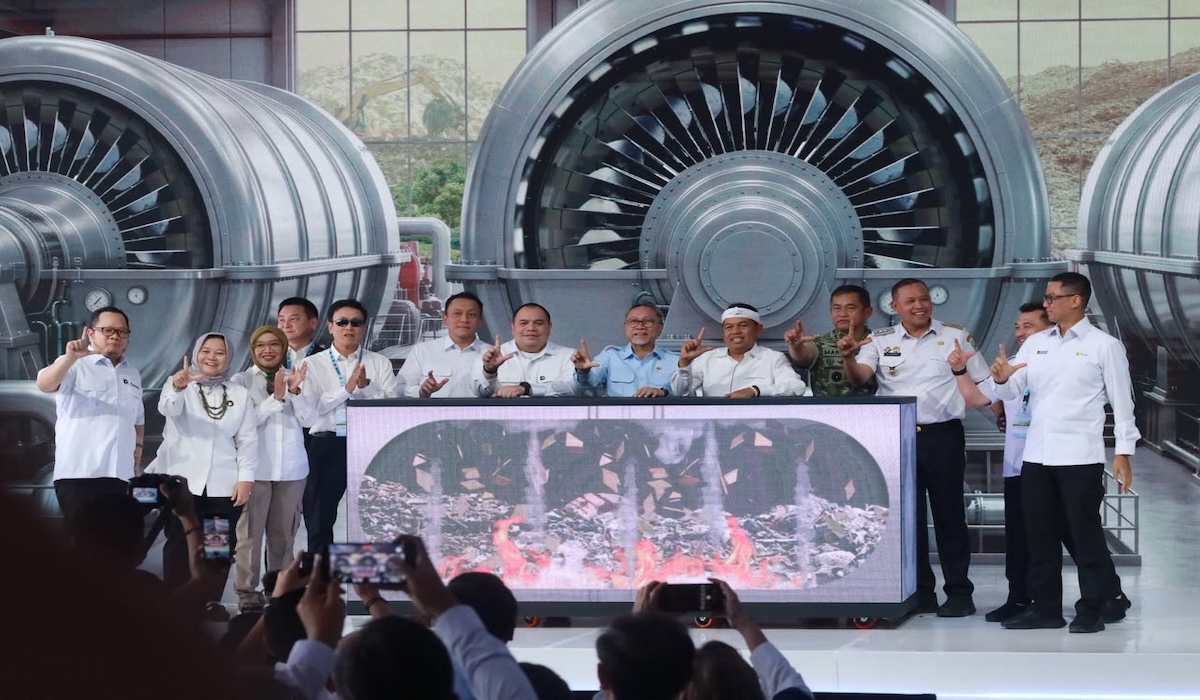
The Waste-to-Energy Plant (PSEL) in Ciketing Udik, Bantargebang District, Bekasi City, is targeted to begin operations by mid-2028. The strategic project officially commenced its construction phase after being inaugurated by Danantara Indonesia together with Daya Energi Bersih Nusantara on Wednesday (26/8).
Danantara Indonesia Chief Investment Officer Pandu Sjahrir stated that the Bekasi City PSEL is the second project to enter the construction stage after the Denpasar Raya PSEL in July 2026. The facility is designed to process up to 1,500 tonnes of waste daily into clean electricity that will be channelled to the PT PLN (Persero) grid.
“The inauguration of this PSEL construction marks the arrival of a real solution to answer Indonesia’s waste emergency challenge. The Bekasi City PSEL is expected to create environmental, energy, and economic value for the surrounding community,” said Pandu, as quoted from Antara.
Under its business scheme, the electricity generated will be purchased by PLN through a Power Purchase Agreement (PJBL) at a set price of US$0.20 per kWh. Besides generating energy for tens of thousands of households, the project is projected to absorb nearly 1,000 green jobs.
From a technical standpoint, the Bekasi PSEL uses moving grate incinerator technology equipped with an Air Pollution Control System (APCS). This technology was chosen because it suits the characteristics of waste in Indonesia and has met the strict environmental standards of the European Union Industrial Emissions Directive (EU IED).
In addition to incineration, the area will integrate pyrolysis technology to process existing waste piles into fuel oil. Chief of Staff of the Indonesian Army, General TNI Maruli Simanjuntak, who was also in attendance, expressed hope that this integrated waste management model can be developed in more locations across Indonesia.
Prior to commencing construction, the project had obtained an Environmental Impact Analysis (AMDAL) document handed over by the Ministry of Environment to Bekasi Environment Nusantara on Monday (24/8). Coordinating Minister for Food, Zulkifli Hasan, emphasised that cross-sector collaboration is the main key to accelerating the handling of the national waste problem.