
Bekasi City Waste-to-Energy Plant Officially Begins Construction, Targets Processing 500,000 Tonnes of Waste
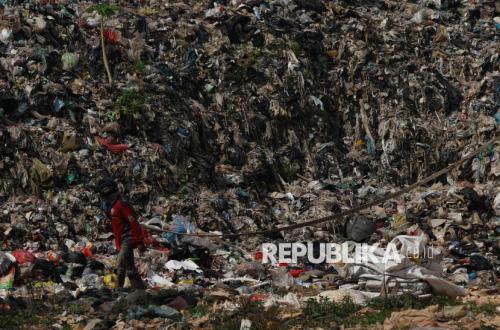
The Daya Anagata Nusantara Investment Board (BPI Danantara) is accelerating the construction of a Waste-to-Energy Plant (PSEL) in Bekasi City, West Java. Chief Investment Officer (CIO) of Danantara Pandu Sjahrir expressed hope that the project would become a strategic step in addressing the waste emergency while delivering clean energy to the public.
“Since the issuance of Presidential Regulation Number 109 of 2025, Danantara has moved swiftly to continue the mandate of developing waste-to-energy processing in a structured and professional manner, including in Bekasi City,” Pandu said at the groundbreaking ceremony for the Bekasi City PSEL in West Java on Wednesday (26/8/2026).
Pandu stated that the development of the Bekasi City PSEL was carried out through a structured and professional process. He noted that the project had undergone rigorous evaluation stages to ensure its implementation meets established standards.
According to Pandu, one of the important stages in the project’s development was the evaluation process which took place from 2 January to 30 January 2026. He said six consortia had submitted proposals, but only two consortia successfully passed the selection process.
“Of the six consortia, only two successfully passed the evaluation, and we are using green energy and empowering the local economy with reference to EU-IED environmental standards, or the European Industrial Emission Directive,” Pandu said.
Pandu is targeting the Bekasi City PSEL to be capable of processing more than 500,000 tonnes of waste annually. He projected that this capacity could handle around 70 per cent of the processed waste generated in Bekasi City.
Pandu said the project’s benefits are not limited to waste management but also have a significant environmental impact. He believes the Bekasi City PSEL can reduce waste emissions from landfill sites by up to 80 per cent and cut carbon emissions by 640,000 tonnes of CO2 equivalent per year.
“From an energy perspective, this initiative will produce green energy that can supply the needs of 55,000 households in Bekasi City,” Pandu said.
Pandu stated that the Bekasi City PSEL project has an investment value of approximately Rp3 trillion. In addition to producing clean energy, Pandu estimated that the construction of this facility would create around 1,000 green jobs and reduce the land requirement for landfill sites by approximately 90 per cent.
Pandu emphasised that the waste problem cannot be solved by a single region or party. He called on all stakeholders to strengthen collaboration in delivering solutions to the waste problem, which has now become a shared challenge.
“Let us collaborate and work together to realise a clean and beautiful Indonesia — safe, healthy, tidy, and lovely,” Pandu said.
Source: jawawa.id (https://jawawa.id/newsitem/bekasi-city-waste-to-energy-plant-officially-begins-construction-targets-processing-500-000-tonnes-of-waste-1787716346)
Originally published by Republika (https://esgnow.republika.co.id/berita/tkcxjj423/resmi-dibangun-psel-kota-bekasi-ditargetkan-olah-500-ribu-ton-sampah), translated from Indonesian