
Bekasi City Government Conducts Study Tour on Waste-to-Energy in China
The Bekasi City Government, West Java, has conducted a working visit to study waste-to-electricity processing at the Waste-to-Energy (PLTSa) facility owned by Wangneng Environment in Huzhou, China.
The delegation departed for China today, led by the Mayor of Bekasi, Tri Adhianto Tjahyono, alongside the Chairman of the Bekasi City Regional House of Representatives (DPRD), Sardi Efendi, members of Commission II, the Head of the Bekasi City Environmental Agency (DLH), and representatives from the Bantargebang community.
“The visit is being conducted to directly study the waste processing technology that will be implemented in the Bekasi City Waste-to-Electricity (PSEL) project,” said the Head of the Bekasi City Environmental Agency, Kiswatiningsih, prior to departure in Bekasi on Friday.
Kiswatiningsih stated that the visit allows stakeholders to observe firsthand how waste-to-energy technology operates, ranging from the waste reception process and processing to emission control and conversion into electrical energy.
“The funding for this visit is fully covered by Wangneng as the Regional Business Cooperation Partner (BUPP), so it does not burden the regional finances,” she added.
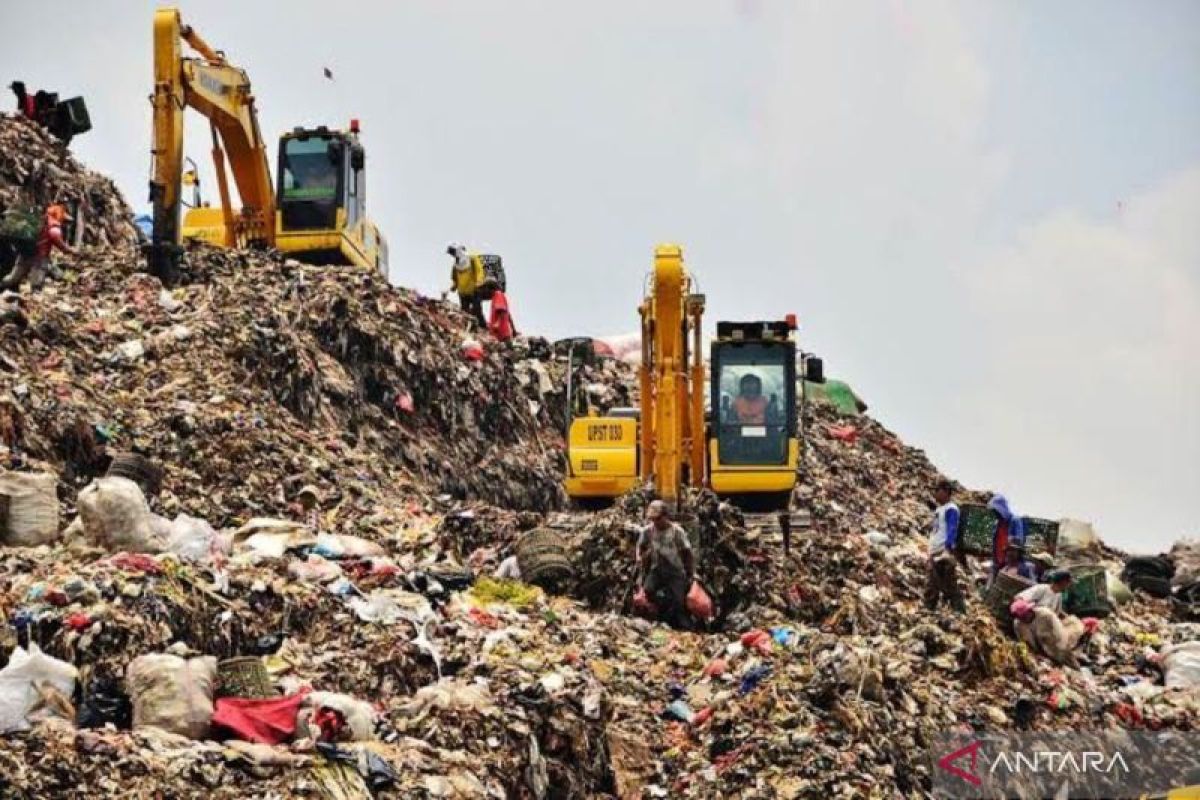
Mayor Tri Adhianto emphasised that the construction of the PSEL project is not merely about introducing modern waste processing facilities, but is part of a major transformation for the Bantargebang area. For decades, the area has been known as the largest landfill site in Indonesia. Moving forward, the Bekasi City Government aims to change this stigma, turning the area into a zone identified with environmental innovation and the green economy.
“We want to change the public perception of Bantargebang. It should no longer be known solely as a landfill, but as a centre for environmental innovation capable of converting waste into energy, creating new economic opportunities, and providing direct benefits to the surrounding community,” he said.
“We envision Bantargebang developing into an environmental economic zone. There will be a PSEL generating electricity, FABA (Fly Ash and Bottom Ash) processing industries producing economically valuable products, and environmental research and innovation activities. Thus, the benefits will not only resolve waste issues but also drive the local economy,” he explained.
The Bekasi City Government hopes that through the construction of the PSEL and the development of supporting industries, Bantargebang can serve as an example of successful environmental transformation, turning challenges into opportunities for sustainable development.
The administration targets the groundbreaking phase of the PSEL programme to take place in early July 2026, with the official inauguration planned to be led by President Prabowo Subianto.