
Being Clever Is Not Enough
Jakarta (ANTARA) – Indonesia does not lack intelligent people. The more fundamental question is how to ensure that their intelligence is used in the public interest, rather than to enrich themselves or abuse power.
Education has a broader responsibility: to shape people who can shoulder responsibility within the scope of their knowledge.
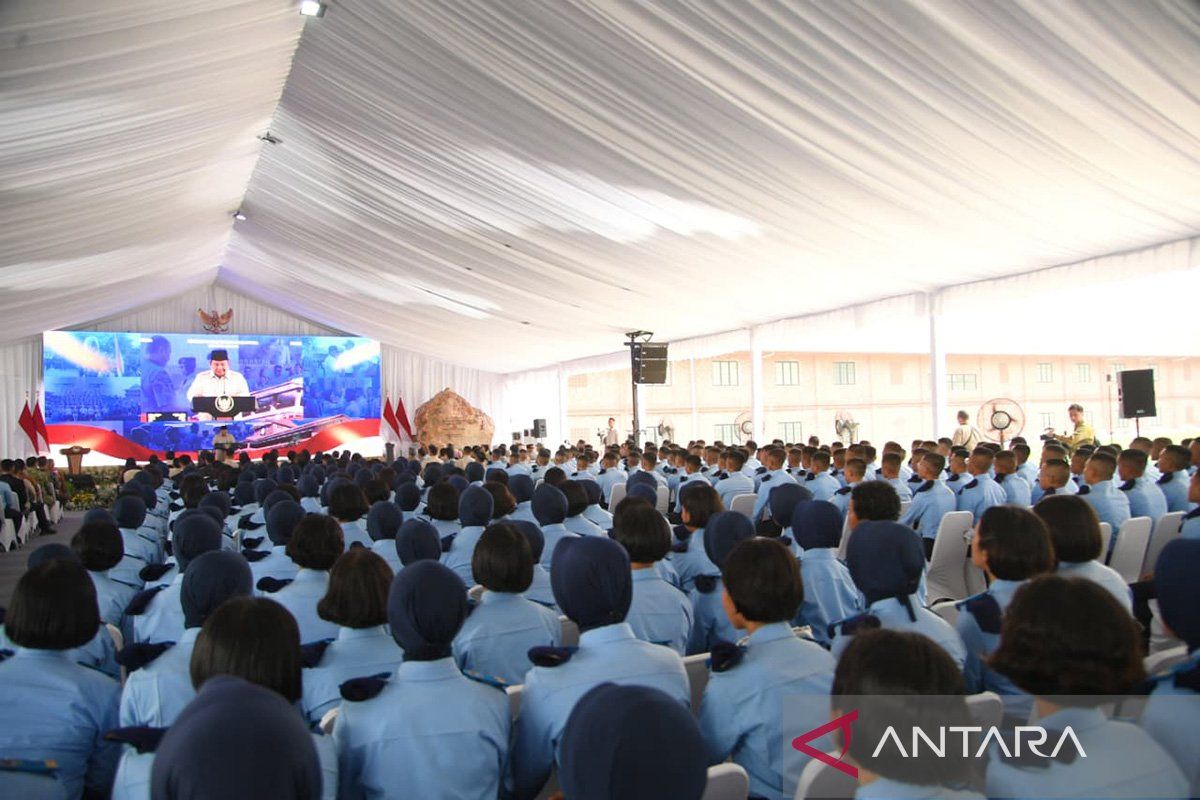
This idea was among the key themes in President Prabowo Subianto’s remarks at the inauguration of SMA Taruna Nusantara’s Cimahi campus in West Java on Friday (30 October). On the occasion, he linked the quality of education to efforts to eradicate corruption. The two may appear to be separate issues, but they converge on one question: what kind of people should be formed and entrusted with managing the state?
Corruption is not merely a matter of weak oversight or poor administrative systems. Behind the abuse of authority lies an individual’s moral choice: someone who knows the rules and understands the consequences, but still chooses to take what is not theirs. Intelligence can even make misconduct more systematic and harder to detect.
Education cannot stop at academic ability. Schools need to build character so that knowledge has direction and limits. Prabowo said outstanding leaders must excel in mind, body, spirit and heart. Intelligent people with wicked hearts, he said, are particularly dangerous because they can cause suffering, injustice and disaster.
However, such character is not formed through classroom lessons alone. Integrity must be part of everyday experience: from how people gain opportunities and face competition to how they obey rules and fulfil their responsibilities. Character education loses its meaning if the educational environment itself allows dishonesty to be rewarded.
SMA Taruna Nusantara is one place where this idea can be put to the test. The school, which began operating in Magelang in 1990, was established to develop future leaders. Its network has since expanded to Malang, Cimahi, Pagar Alam, Nusantara’s capital city and Langowan in North Sulawesi. The government has also made education free for all students, meaning admission is no longer limited by families’ ability to pay operating costs.
This change means more than simply waiving school fees. Previously, students on the regular track were charged education operating costs, while full scholarships were available only to selected students. The free scheme restores the school’s original model, under which students’ costs were fully covered with support from the Indonesian Military (TNI), before the 1997 economic crisis forced the policy to end.
For the 2026/2027 academic year, the admissions quota has been set at up to 10,000 applicants. Every student who passes the selection process will receive a full scholarship. As a result, a family’s financial circumstances should no longer prevent promising children from accessing an education at the school.