
Beijing Boosts Exports, World Feels the Second China Shock
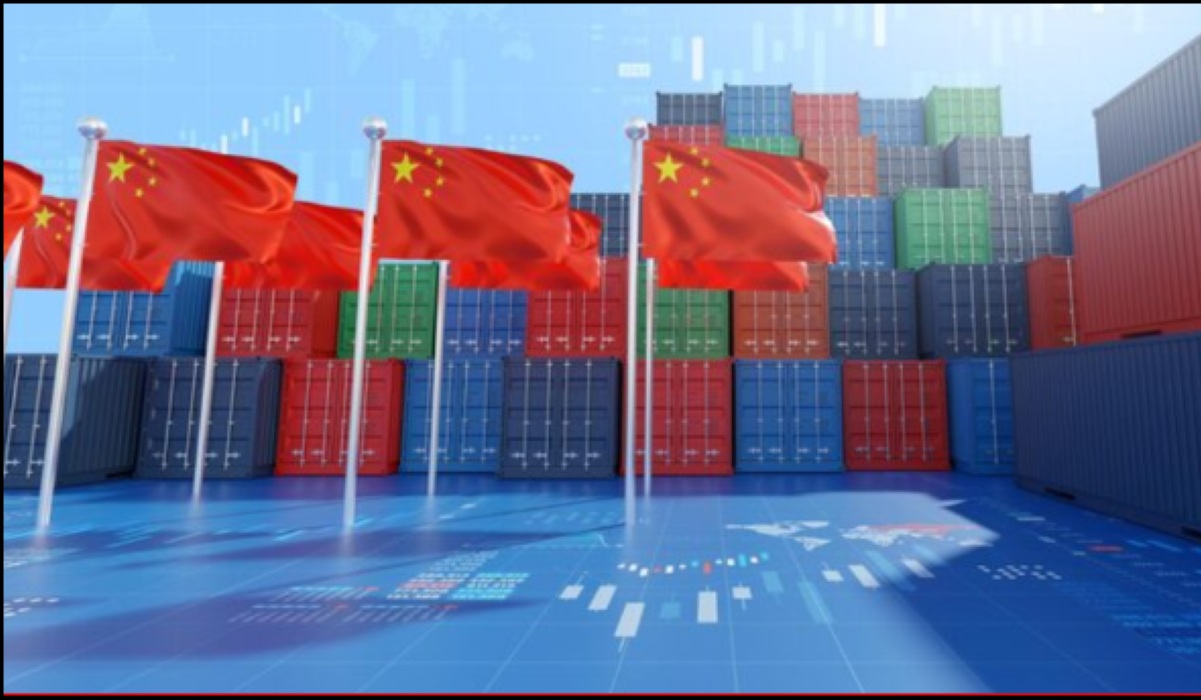
The world is now facing a phenomenon dubbed the second China Shock. A wave of cheap exports from China is once again flooding global markets. This time, however, its scope is far broader and targets high-technology sectors, raising fears of deindustrialisation and political turmoil across many parts of the world.
Twenty-five years ago, the first China Shock occurred when cheap Chinese goods flooded the American market, contributing to the loss of 3 million factory jobs. Today, a similar shock is spreading to Europe, South-East Asia, Africa and Latin America.
The current explosion in Chinese exports is rooted in Beijing’s response to the collapse of its property market bubble several years ago. According to the investment firm KKR, the crisis wiped out US$10 trillion (around Rp1,620,000 trillion) of household wealth. Since 2020, the Chinese authorities have shifted investment into additional manufacturing capacity to compensate for the decline in real estate.
The focus has moved to advanced industries such as electric vehicles (EVs), lithium-ion batteries and solar power. However, these factories are producing more goods than Chinese domestic consumers can absorb. To keep millions of workers employed, Chinese producers have turned to overseas markets. Data from Beijing’s customs authority show that exports in the first half of this year surged 18 per cent compared with the same period last year.
“There has been a huge increase in manufacturing capacity over the last five to six years. But domestic demand growth has not been sufficient to absorb it,” said Julian Evans-Pritchard, head of China economics at Capital Economics in Singapore.
If the first shock of the early 2000s was dominated by basic goods such as clothing and footwear, this second China Shock features high-technology products such as semiconductors and electric vehicles. Its impact is now being felt more sharply outside the United States, particularly in Europe.
The US has so far managed to blunt the impact of the latest wave through strict tariff policies. Europe, by contrast, is struggling. German Chancellor Friedrich Merz and French President Emmanuel Macron have called for joint action to protect European industry from the flood of subsidised Chinese products.
Germany, as Europe’s traditional manufacturing powerhouse, is in a difficult position. Volkswagen is reportedly planning to close four plants in Germany and cut 100,000 jobs as part of a restructuring effort to cope with Chinese competition.
Chinese carmakers can now produce nearly twice as many cars as they are able to sell in their own domestic market. “There is no money to be made selling into the hyper-competitive, oversupplied Chinese market,” said Brad Setser, an economist at the Council on Foreign Relations.
US Treasury Secretary Scott Bessent has urged China to shift away from industrial policy towards supporting household consumption. He described China’s current economic model as unsustainable and harmful to the world. The US is expected to launch additional tariffs this month to combat structural overcapacity.
Meanwhile, China’s own economy is showing signs of weakness. Growth slowed to 4.3 per cent in the second quarter. With house prices still falling six years after the bubble burst, Chinese consumers remain reluctant to spend, forcing the government to continue relying on exports as its engine of growth.
Despite pressure for coordination from trading partners, some countries such as the United Kingdom and Canada have begun taking independent steps, cutting separate deals to maintain access to the Chinese market, adding complexity to the challenge of confronting Beijing’s manufacturing dominance on the global stage.
China’s annual goods trade surplus has exceeded US$1 trillion for the first time.
China drew the world’s attention in January when it announced that its combined goods and services trade surplus had reached nearly US$1 trillion.
China’s goods trade surplus reached US$1 trillion this year for the first time, a historic milestone in the country’s dominance across the board.