
Behind the Withdrawal of New Students from a Private University in Jogja Despite Having Paid Registration
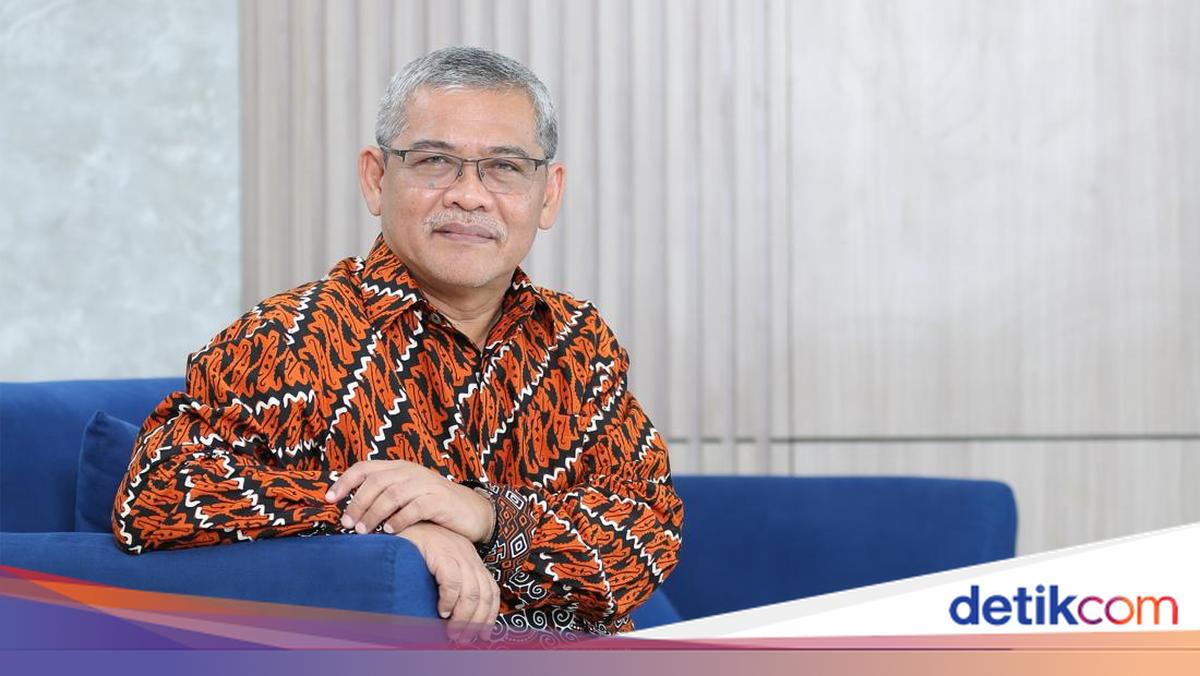
The Rector of UAD, Prof Dr Muchlas, stated this decline is partly due to the impact of new student admissions through the autonomous track at state universities with legal entity status (PTN-BH). He argues this track causes several prospective students to withdraw from private universities, even after registration, as they prefer moving to a state university.
Based on available data, Muchlas mentioned approximately 15 percent of prospective students who had registered and paid fees at UAD decided to withdraw after being accepted through the autonomous track of a state university. “UAD students who have registered, after we surveyed them, can get 75 percent of their money back if they can show they have been accepted at a PTN-BH. That is around 15 percent of those who have registered and paid at UAD,” Muchlas explained at the UAD Campus in Yogyakarta on Tuesday.
Muchlas added that this situation occurs because the autonomous admission tracks at several state universities remain open until the middle of the year. This allows prospective students who had previously confirmed they would study at a private university to switch after securing a place at a state university. “Of those who have registered and paid at UAD, as soon as there is an autonomous programme there, 15 percent are absorbed,” he revealed.
He considers the continued opening of autonomous tracks until July or August as a distinct problem for private higher education institutions, as they must face uncertainty over new student numbers until the state university admission period truly ends. “That is also a problem. Because students who have registered at a private university can still move when accepted via the autonomous track of a state university,” he said.
Muchlas conveyed that the pressure currently faced by private universities is mounting. Besides the factor of public purchasing power, private universities must also compete with PTN-BHs, which he assesses are becoming increasingly aggressive in seeking new students. This condition is linked to the demand for financial independence faced by PTN-BHs. With reduced government subsidies, PTN-BHs reportedly also rely on student tuition fees as a primary source of income. “Now their mindset is the same as ours: financial independence. So the easiest route is to increase the quota,” he remarked.
Therefore, Muchlas hopes the government will re-regulate the student admission quotas at PTN-BHs and evaluate the implementation of the autonomous track. He considers this step important so that private universities still have the space to obtain new students. “If possible, non-regular programmes like the autonomous track should be abolished. If that is not yet possible, at least the quotas should be limited to give private universities in the same city as the PTN-BH a chance to equally obtain new students,” he concluded.