
Behind the Surge in Rice Stocks and the Future of Food Security
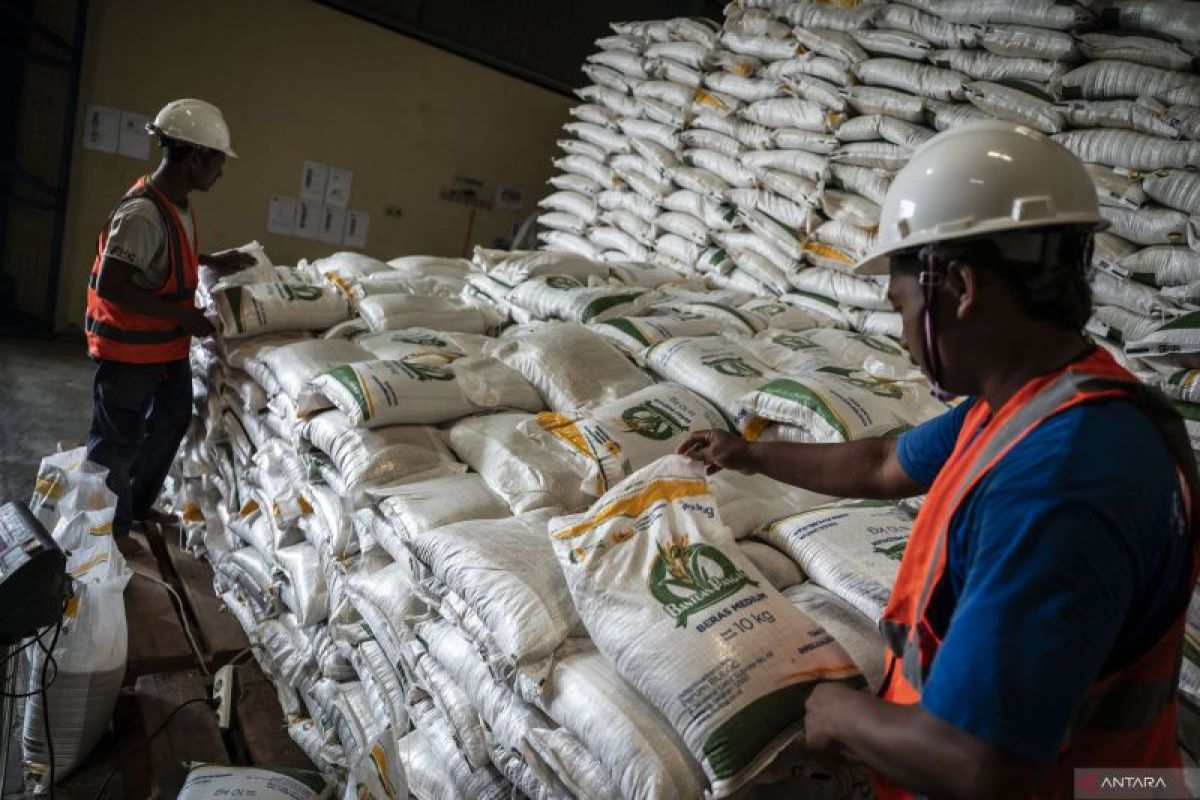
Jakarta (ANTARA) - Amid increasingly uncertain global geopolitical dynamics, Indonesia has recorded an achievement that warrants serious attention, as national rice stocks have surpassed 4.5 million tonnes and are projected to reach 5 million tonnes in the near future. This figure is not merely a statistic but a representation of long-term policy efforts, farmers’ hard work, and cross-institutional coordination that is beginning to take shape. Behind this accomplishment lies a far more important question: whether this abundance has truly been managed as the nation’s strategic strength or could potentially become a new vulnerability if not anticipated carefully. Large rice stocks directly provide positive impacts on economic stability, particularly in keeping food prices under control. In the context of Ramadan, when inflationary pressures usually rise due to surging demand, the situation this time is relatively more stable. Rice, which has long been a major contributor to inflation, is not exerting significant pressure. The role of Perum Bulog as a price stabilisation instrument is increasingly evident, not only in ensuring availability but also in curbing price fluctuations at the consumer level. Perum Bulog’s President Director Ahmad Rizal Ramdhani emphasised that the target of absorbing 4 million tonnes of paddy and rice from farmers by 2026 is not just a number but a strategic mandate that must be achieved through broad collaboration, from the National Food Agency, local governments, to the TNI and Police. This affirmation shows that food security cannot stand alone but must be supported by integrated and consistent policy orchestration. Price Disparities Despite this, the reality on the ground indicates that stock abundance does not automatically resolve issues. One crucial problem is the disparity between the government-set highest retail price and the actual prices in the market. When consumers have to pay more than they should, there is a gap in the distribution and oversight system that needs to be addressed immediately.