
Behind the Muharram Rituals Still Preserved by Muslims in Java
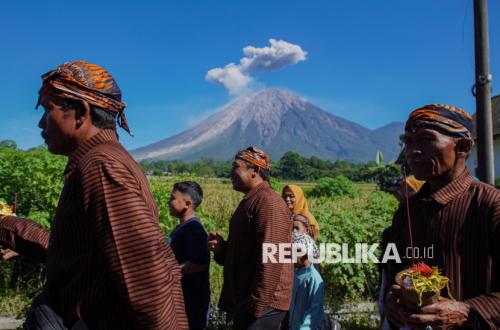
The month of Muharram, or Suro in the Javanese calendar, is not only observed as the beginning of the Hijri New Year but also serves as a moment for conducting various rituals passed down through generations in several regions. A portion of Javanese society believes the month of Suro is an auspicious time to hold special traditions aimed at seeking safety, prosperity, and blessings.
In Islam, Muharram is one of the sacred months holding a distinguished position. Muslims are encouraged to increase their worship, including fasting on the 10th of Muharram, known as Ashura. However, within Javanese society, this month is also coloured by diverse traditions that continue to be preserved to this day.
As explained in the book ‘Dakwah Kreatif: Muharam, Maulid Nabi, Rajab, dan Sya’ban’, there are several distinctive Javanese rituals commonly performed during the month of Suro. The first tradition is the larung kepala kerbau, or the floating of a buffalo head, held by the community of Tulungagung, East Java. In this ritual, a buffalo head is placed on a boat along with a cone of yellow rice and flowers, then cast adrift into the Southern Sea at Popoh. The procession is accompanied by prayers containing requests for safety and prosperity for the surrounding community.
In Sukabumi, West Java, the community holds a sacred bathing ritual in the Pelabuhan Ratu area. Thousands of people typically crowd the estuary near the Samudera Beach Hotel to perform purification at the beginning of the month of Suro.