
Behind the Growing Proximity Between the Taliban and Russia
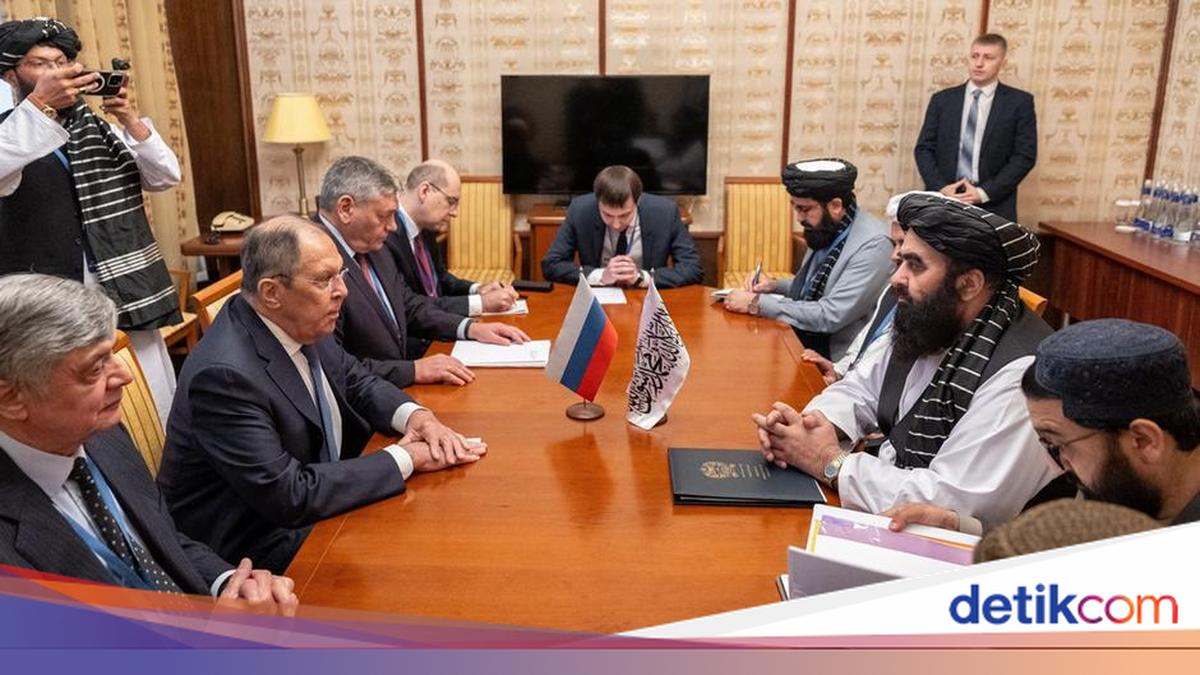
The Taliban’s interim Defence Minister, Mullah Muhammad Yaqoeb, has stated that a hostile neighbour ‘will no longer dare’ to attack Afghan territory in the near future, referring to a recently signed military-technical cooperation agreement in Moscow. Yaqoub also emphasised that the implementation of the agreement with Russia is set to commence shortly.
At the same time, Yaqoub is attempting to quell international concerns regarding military cooperation between the Taliban and Russia. He asserted that the agreement is not a defence or security pact, but rather focuses on the repair and maintenance of Russian-made weaponry currently held by Afghanistan, including helicopters and other aircraft. He even suggested the possibility of similar cooperation with the United States, noting that a significant amount of US weaponry remains in Afghanistan following the NATO troop withdrawal.
This dual messaging serves as a deterrent to Pakistan and reflects how both the Taliban and the administration of Russian President Vladimir Putin are framing their evolving relationship. The connection is positioned not as an ideological alliance, but as pragmatic cooperation providing direct benefits to both parties. However, the full details of the agreement have not yet been made public.
Russian Special Envoy to Afghanistan, Zamir Kabulov, stated that the cooperation focuses on repairing Russian-made military equipment and could potentially pave the way for future defence contracts. For now, the primary priority is restoring the weaponry systems already possessed by Afghanistan. Soviet forces invaded Afghanistan in late 1979 and remained for approximately a decade; many of the weapon systems they left behind are still in use today. Following 2001, both the US and NATO also relied on Russian-made helicopters, specifically the Mi-17, to build the Afghan Air Force, as Afghan pilots and technicians were already trained on them and the models were suited to the rugged terrain.
The timing of the Russia-Taliban agreement has drawn scrutiny, as Yaqoub’s statements come amidst rising tensions between Afghanistan and Pakistan, marked by cross-border skirmishes and airstrikes within Afghan territory. Islamabad has repeatedly accused the Taliban of protecting Pakistan Tehreek-e-Taliban (TTP) militants, an allegation the Taliban denies. The Kabul administration appears to be attempting to strengthen its military capabilities while signalling strength to Pakistan.
Conversely, Russia is seen as having an interest in strengthening its role as a security factor in the region amidst waning Western influence. Russian state news agency TASS reported that Security Council Secretary Sergei Shoigu expressed opposition to any plans for US or NATO military bases or infrastructure in Afghanistan or neighbouring countries.
Abas Basir, a former minister in the pre-Taliban Afghan government, views the relationship as ‘pragmatic and interest-based’ rather than a true political alliance. Basir noted that one of Russia’s primary concerns is the Islamic State Khorasan (ISKP), and the risk of Afghanistan being used to destabilise Central Asia and threaten Russian domestic security. The Taliban, who are actively fighting ISKP, are viewed by Moscow as a ‘relative security buffer’. In return, the Taliban stand to gain regional political legitimacy and economic opportunities, particularly in trade sectors such as energy and wheat imports, amidst ongoing economic pressures. Basir also highlighted the Taliban’s efforts to diversify foreign relations to avoid dependence on a limited number of external actors.
Security and political analyst Besmillah Taban noted it is too early to draw definitive conclusions regarding the agreement’s contents, given that both parties frequently limit public information. Taban suggested the Taliban’s visit to Moscow was utilised for domestic propaganda to boost internal morale following recent Pakistani attacks. He also noted that following Yaqoub’s emphasis on the deal, Russian officials moved quickly to manage expectations, clarifying that current cooperation is limited to the repair of Soviet-era equipment.
Analysts suggest Russia’s primary interests in Afghanistan remain focused on security, including limiting narcotics trafficking through Central Asia. Beyond this, Moscow’s economic footprint in Afghanistan remains limited, and a clear long-term strategic commitment is not yet evident. Meanwhile, the Taliban face more pressing needs; increasing pressure from Pakistan and declining military capabilities have driven the group to seek operational weaponry and partners capable of providing maintenance services.