
Behind the Downgrading Lifestyle Trend: What Is Really Happening?
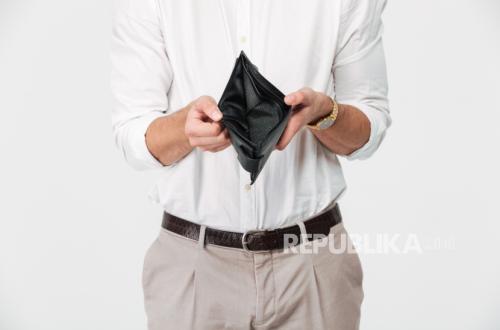
JAKARTA — Social media users are increasingly posting about how they have been forced to downgrade their lifestyles. Some have switched to motorbikes after selling their cars, while others have cut their budgets for meals and socialising. In short, they are turning to cheaper goods and services.
What is driving this trend? Wisnu Setiadi Nugroho, an economist and business expert who lectures at Gadjah Mada University (UGM), says downgrading is a rational household response to economic uncertainty, rather than simply a lifestyle choice. Households seek to preserve core consumption, such as food, healthcare and education, by reducing more flexible or tertiary spending when their incomes come under pressure or become uncertain.
“I see downgrading as a rational household response to economic uncertainty, not a lifestyle choice,” Wisnu said in a written statement, quoted on Wednesday (7 October 2026).
He explained that economic theory describes this as consumption smoothing: households try to keep core consumption relatively stable by sacrificing spending that is more flexible. People are therefore making adjustments not because they simply want to save, but because their room to manoeuvre in managing expenses is shrinking.
According to Wisnu, the main issue is not downgrading itself, but its scale and the groups affected. If it occurs among only a small segment of society, the adjustment can still be considered temporary.
“If this trend becomes widespread, especially among the middle class, which accounts for a large share of national consumption, it should be a warning sign for the government,” Wisnu said.
Wisnu sees two mutually reinforcing factors behind downgrading. The first is stagnant real income amid rising prices for basic needs such as food, education and energy. This erodes households’ real purchasing power even when their nominal incomes remain unchanged.