
Before the Outbreak Finds a Way: Surabaya Strengthens Zoonosis Prevention
A rat crossing a drain, a bat foraging at night, or an unvaccinated pet dog are often seen as ordinary parts of city life. Yet behind this everyday reality lies a threat that is not always visible: zoonotic diseases, which can be transmitted from animals to humans.
In recent decades, the world has been repeatedly reminded that major outbreaks do not always originate in laboratories or hospitals. Many diseases emerge from human interaction with animals and changing environments. Ebola, avian influenza, rabies, leptospirosis, and the Nipah virus serve as reminders that the boundary between human health, animal health, and environmental health is exceedingly thin.
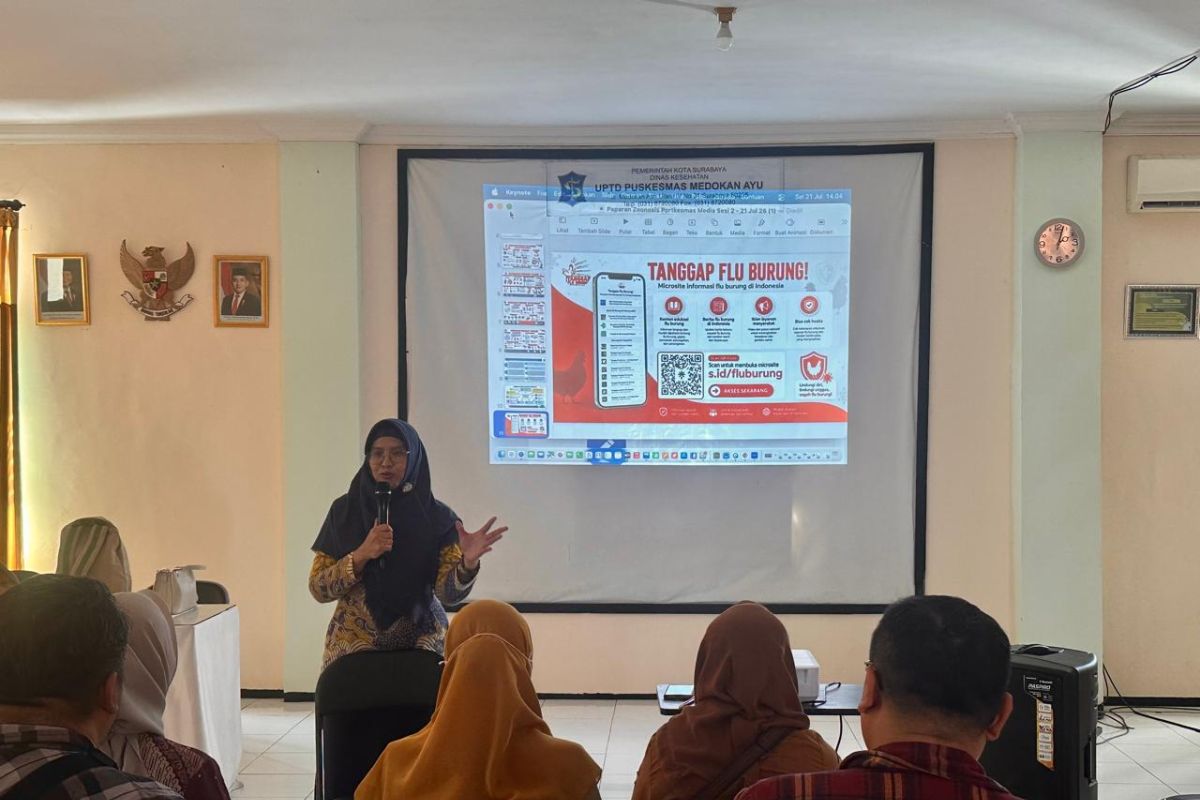
This reality means that large cities like Surabaya cannot rely solely on healthcare services once a disease has appeared. Prevention, long before an outbreak occurs, is the more decisive strategy. It is this awareness that the Surabaya City Government in East Java is beginning to strengthen through enhanced surveillance systems, risk communication, public education, and cross-sector collaboration.
The effort involves not only the health department but also the animal health sector, community organisations, academics, the media, and government at the sub-district level. Such an approach demonstrates that zoonosis control cannot be resolved by a single institution alone. The step is not without reason. The Ministry of Health states that around 70 percent of new infectious diseases with outbreak potential originate from animals. This figure shows that future health threats are born more from changes in the relationship between humans, wildlife, and the environment than from other factors.
In Surabaya itself, the threat remains at a manageable level. Over the past five years, no suspected human cases of avian influenza or anthrax have been detected. However, suspected leptospirosis cases and bites from animals that transmit rabies continue to appear, meaning vigilance must not wane. In 2025, 25 suspected leptospirosis cases and 40 rabies-transmitting animal bite cases were recorded, whilst by mid-2026, 14 suspected leptospirosis cases and 33 bite cases had been reported.
These figures do not indicate a state of emergency. However, public health is not measured by the size of an outbreak that has already occurred, but by the ability to prevent it from emerging in the first place.
Zoonotic diseases essentially reflect changes in how humans interact with nature. Urbanisation, population density, increased human and animal mobility, climate change, and wildlife trade are all factors that increase the opportunity for pathogens to jump from animals to humans. Surabaya is a metropolitan city and a centre for trade, services, ports, and logistics distribution. Every day, thousands of people, vehicles, foodstuffs, and livestock enter and leave the city. This high mobility brings economic benefits but simultaneously increases the complexity of health surveillance.
Source: jawawa.id (https://jawawa.id/newsitem/before-the-outbreak-finds-a-way-surabaya-strengthens-zoonosis-prevention-1785199929)
Originally published by Antara (Indonesian) (https://www.antaranews.com/berita/5668640/sebelum-wabah-menemukan-jalan), translated from Indonesian