
Before the Mudik Journey, Check Your Car Battery to Avoid Road Problems
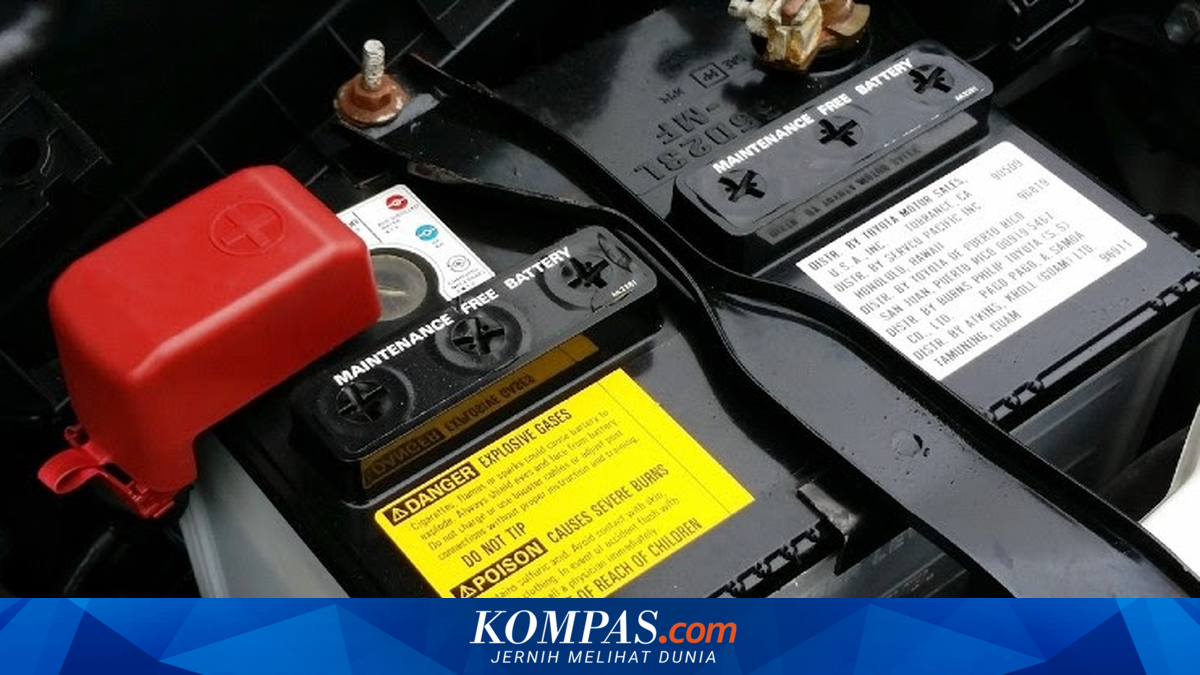
SOLO — The Lebaran mudik season is typically accompanied by long-distance journeys that demand vehicles to be in optimal condition. One component that often escapes attention is the car battery, despite its crucial role in starting the engine and supplying electricity to various vehicle systems. Weakened batteries can potentially cause problems during travel, ranging from difficulty starting the vehicle to unexpected breakdowns on the road.
Iwan, owner of Iwan Motor Solo workshop, explained that there are several criteria for determining whether a car battery is still fit for use. Using a diagnostic tool, several parameters about battery health can be measured, such as remaining service life percentage, standby voltage, starter voltage, and other indicators. “The tool detects the current condition of the battery and compares it against standard parameters for specific conditions,” Iwan said.
“We recommend that any battery showing a remaining service life of just 40 per cent should be replaced immediately, even if it is still capable of starting the engine,” Iwan stated. Based on his experience, batteries can no longer support starting when service life drops to around 25 per cent. “We advise replacement before that point is reached, to avoid customer complaints and prevent unexpected problems occurring on the road,” he explained.
When a vehicle breaks down due to a dead battery during travel, the impact and losses can be considerable, including the need to hire towing services and other costs. “We don’t want situations where a customer leaves the workshop with a healthy-seeming battery but it fails en route and causes other problems. That’s why we adhere to our standard operating procedures very carefully,” Iwan said.
By ensuring the battery remains in good condition before the mudik journey, long-distance travel can be safer, smoother, and free from the risk of vehicle breakdowns on the road.