
Before the Era of QRIS and Mobile Banking, This Is How 'Complicated' Money Transfers and Transactions Were in the Old Days
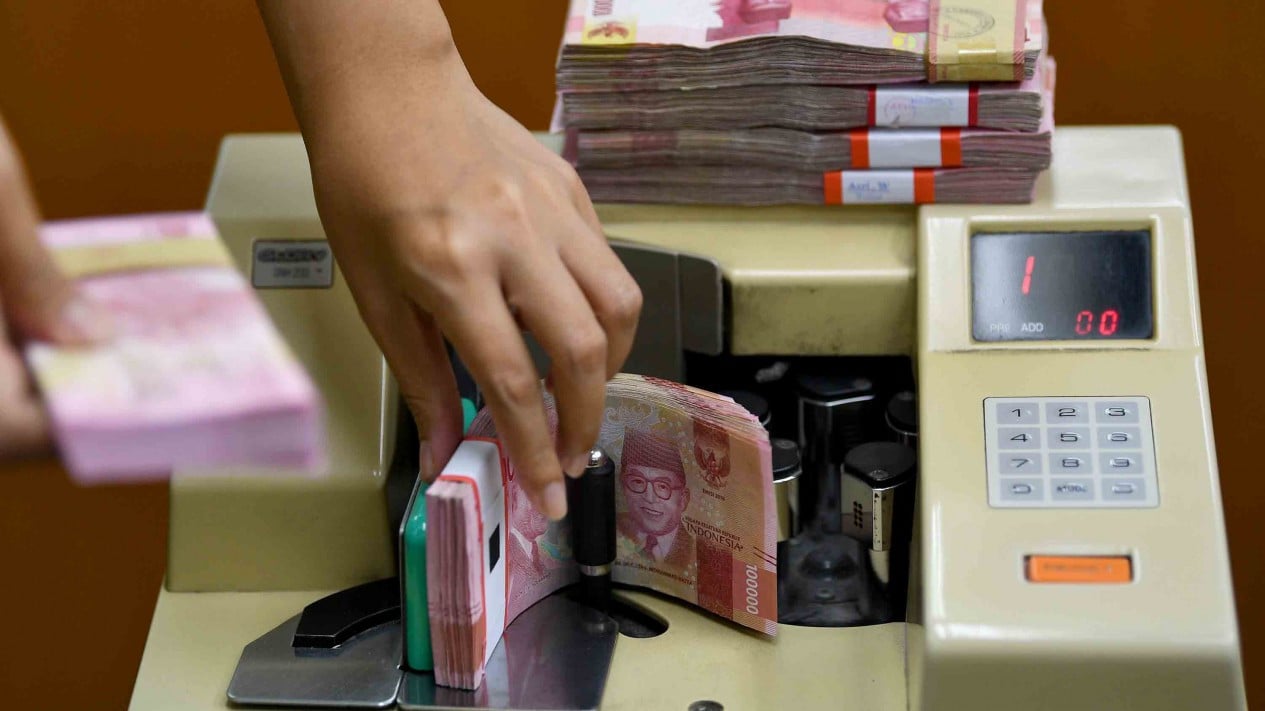
The development of digital technology has made financial activities far easier compared to a few decades ago. Nowadays, people can transfer money, pay bills, and even shop just through their mobile phones and in seconds using mobile banking or digital wallets.
However, before mobile banking services became available as they are now, the financial transaction process was far more complicated and time-consuming. Many people had to go directly to the bank, fill out manual forms, and even queue for a long time just to send money or check their account balance.
In Indonesia and various other countries, the financial transaction system has undergone significant changes from the manual era to the digital one. The introduction of ATMs was once considered a modern revolution before it was eventually replaced by more practical internet banking and mobile banking.
So, how exactly did people in the old days carry out money transfers and transactions before mobile banking existed? Here is the explanation, as compiled from various sources on Saturday, 9 May 2026.
How People in the Old Days Transferred Money Before Mobile Banking
- Going Directly to the Bank Teller
Before digital transfer services, the most common way to send money was to go directly to the bank office. Customers had to fill out a transfer form manually, writing down the destination account number, the amount of money, and the sender’s identity.
After that, the bank teller would process the transaction. If the transfer was between banks, the process often took longer than it does now. Even at that time, inter-regional transfers could take one to several working days. Because the entire process was done manually, queues at the bank became a very common sight in the 1980s to early 2000s era.
- Using Cheques
Cheques became one of the popular payment tools before digital transactions developed rapidly. A cheque is a written order from the account holder to the bank to pay a certain amount of money to the recipient.
Cheque users simply needed to write the amount of money and the recipient’s name, then hand it over to be cashed at the bank. This system was widely used in business transactions as well as large-value payments. In several developed countries, the use of cheques was once very dominant before it was gradually abandoned because it was considered less practical and prone to forgery.