
Beeru Stevia Scandal: How Pure Stevia Differs from Blended Sweeteners
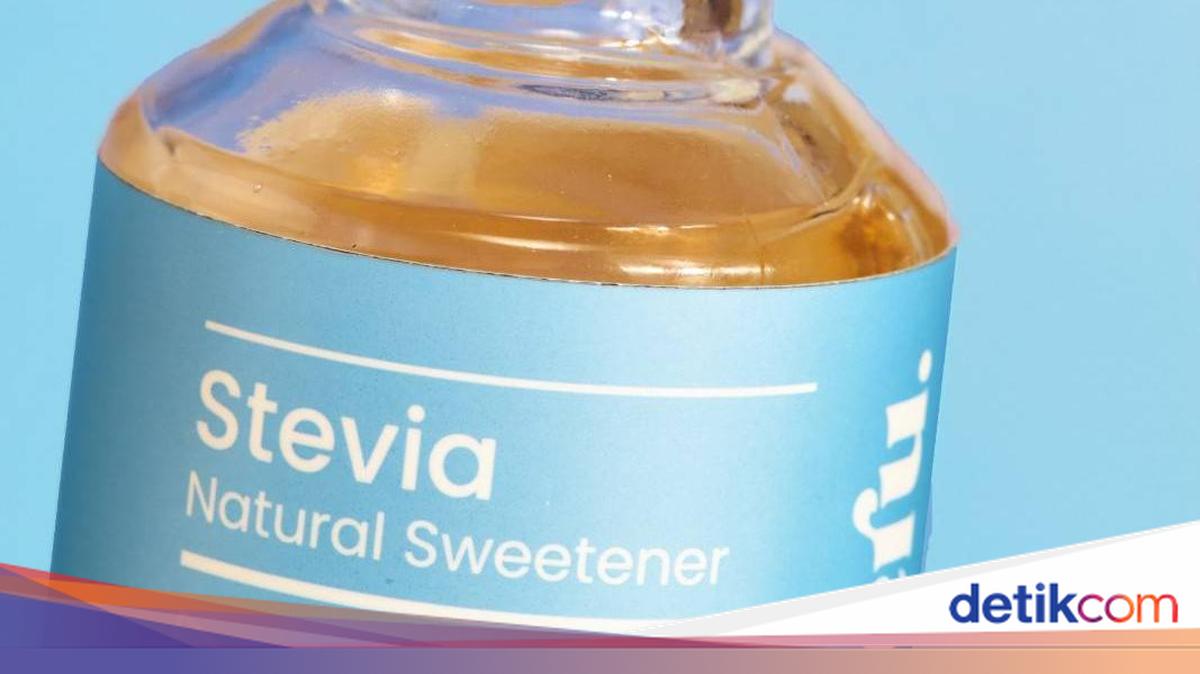
Beeru Stevia has been in the spotlight since Wednesday (28 October 2026), after Dokter Detektif (Doktif) shared results from an independent laboratory test which it claimed had found other sweeteners in the product. Beeru Indonesia has since temporarily suspended sales while awaiting verification.
Doktif posted the findings on its Instagram account, @dokterdetektifreal. It said the independent laboratory test found neotame and sucralose in Beeru Stevia, although neither is listed in the product’s ingredients.
Doktif said the levels of both sweeteners exceeded limits set by the National Agency of Drug and Food Control (BPOM), and that the product was not calorie-free because it contained carbohydrates. It also urged BPOM to inspect and test the manufacturing facility.
Beeru Indonesia responded through its Instagram account on the same day. The company said the product was made with a manufacturing partner responsible for its formulation, sourcing of raw materials and production. Sales of Beeru Stevia have been suspended temporarily until verification is complete.
The Beeru Stevia case is a warning that products on the market may not match their stated ingredients or may make exaggerated claims. Stevia, however, can offer advantages over other sweeteners that contain calories.
What exactly is stevia, and how can consumers check that a product matches its label?
What is stevia and what are its benefits?
Stevia is a natural sweetener extracted from the leaves of the Stevia rebaudiana plant. Its sweetness comes from steviol glycosides, such as stevioside and rebaudioside A, which are said to be 100 to 400 times sweeter than granulated sugar. As a result, only a small amount is needed.
Health Minister Budi Gunadi Sadikin has said that stevia contains no calories and has a glycaemic index of zero, so it does not trigger a spike in blood sugar. This makes it an option for people seeking to reduce their sugar intake or manage blood glucose levels. These benefits apply to stevia as a pure ingredient; products on sale may differ depending on what else has been added.
Pure stevia and blended sweeteners
The two terms are often confused, but the difference lies in the product’s ingredients.
Pure stevia contains only steviol glycoside extract, with water added in liquid products. Some people notice a slightly bitter aftertaste.
Blended sweeteners combine stevia extract with other ingredients, such as erythritol, sorbitol, maltodextrin or artificial sweeteners such as sucralose. Manufacturers typically do this to mask bitterness or add texture.
A blend is not automatically a problem, provided its ingredients are clearly listed on the label and the product has marketing authorisation. The Health Minister has warned that some stevia products on the market are blended with sucralose and erythritol, so consumers should check the ingredients before buying. Claims of zero calories should also be checked against the nutrition information, as added ingredients may contribute calories.
How to check a stevia product’s ingredients and authorisation
BPOM recommends the “Cek KLIK” checks: packaging, label, marketing authorisation and expiry date. These steps can also be used for stevia products.
Check the packaging. Make sure the seal and container are intact.
Check the label. Read the ingredients list and look for other sweeteners, such as sucralose, neotame, erythritol, sorbitol or maltodextrin. Also check the nutrition information for calories and carbohydrates.
Check marketing authorisation. Processed food products authorised by BPOM carry an MD number (domestically produced) or ML number (imported), followed by 12 digits. Enter the number, product name or brand on https://cekbpom.pom.go.id/ or in the BPOM Mobile app, then check that the product name, brand, manufacturer and status match.
Check the expiry date. Make sure the product is still within its use-by period.
Small-scale household industry products generally carry a P-IRT number issued by the local health office rather than a BPOM MD number. Marketing authorisation is a basic requirement, but consumers should continue to monitor BPOM updates if new findings emerge.
Safe limits and points to consider
The joint FAO/WHO expert committee on food additives (JECFA) has set an acceptable daily intake for steviol glycosides of about 4 milligrams per kilogram of body weight. This means a person weighing 60 kilograms can consume up to approximately 240 milligrams of steviol a day.
People with diabetes who take blood-glucose-lowering medication may be at risk of hypoglycaemia, while those taking medicine for high blood pressure may be at risk of low blood pressure. Consult a doctor before replacing sugar with stevia, including during pregnancy. Suspicious products can be reported to Halo BPOM on 1500533.
Stevia can be an alternative for reducing sugar intake, but its benefits depend on the product’s purity and transparent ingredient information. Reading the label, checking marketing authorisation and following official BPOM updates are simple ways for consumers to make an informed choice.
Source: jawawa.id (https://jawawa.id/newsitem/beeru-stevia-scandal-how-pure-stevia-differs-from-blended-sweeteners-1793256651)
Originally published by detikBali (https://www.detik.com/bali/kuliner/d-8729302/heboh-beeru-stevia-tak-sesuai-komposisi-ini-beda-yang-murni-dan-campuran), translated from Indonesian