
Bee Venom May Kill Cancer Cells, Researchers Explain
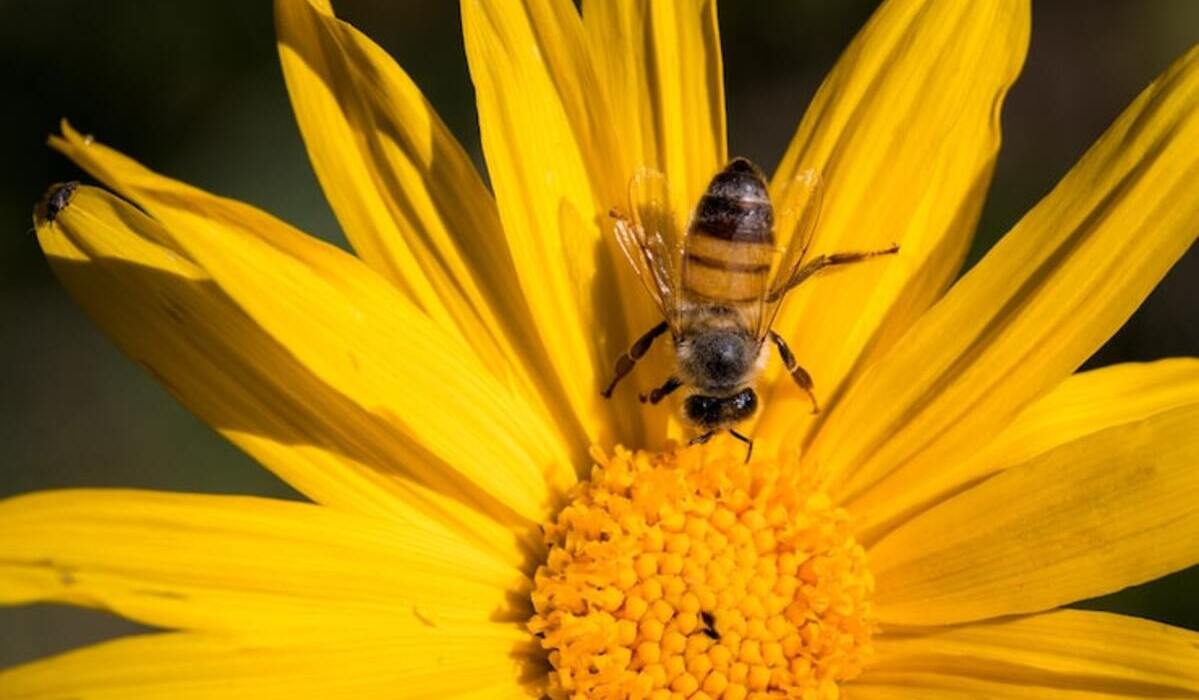
Research into the medical potential of bee venom has once again captured global health attention. Recent studies have found that a specific component of the insect’s venom shows potential to effectively combat cancer cells in laboratory settings.
According to UCLA Health, scientists are focusing on melittin, the main compound in bee venom, classified as a bioactive peptide. In lab tests, this compound has been shown to disrupt critical signalling pathways used by cancer cells to survive, replicate, and spread to other tissues.
One of the most significant findings emerged from research on breast cancer cells, particularly triple-negative breast cancer (TNBC), known for its aggressiveness and limited treatment options compared to other types.
The study reports that melittin can enhance internal signals instructing cancer cells to halt their growth cycle and trigger apoptosis, or programmed cell death. This discovery offers new hope that melittin could be integrated in the future to enhance the effectiveness of conventional cancer therapies.
Experts emphasise that the findings remain at the preclinical or laboratory testing stage. The efficacy and safety of using melittin directly in humans require extensive further research and rigorous clinical trials before it can be recognised as an official medical treatment.
Despite its promising anti-cancer potential, bee venom remains dangerous to the human body if not managed through medical procedures. Naturally, bee stings are designed as a defensive mechanism to immobilise threats.
The primary challenge for researchers is to determine precise dosages and safe drug delivery methods. This is because substances capable of killing cancer cells often have toxic properties that can also damage healthy surrounding cells if not properly controlled.
Oncology specialists advise patients not to attempt self-experiments, such as deliberate bee stings, without medical supervision. Consulting healthcare professionals remains the crucial step in determining the safest and most appropriate treatment strategy based on a patient’s clinical condition.
Currently, the use of bee venom for cancer treatment remains in development and is not a standard medical service in hospitals. (UCLA Health/H-3)