
Becoming a Mindful Teacher
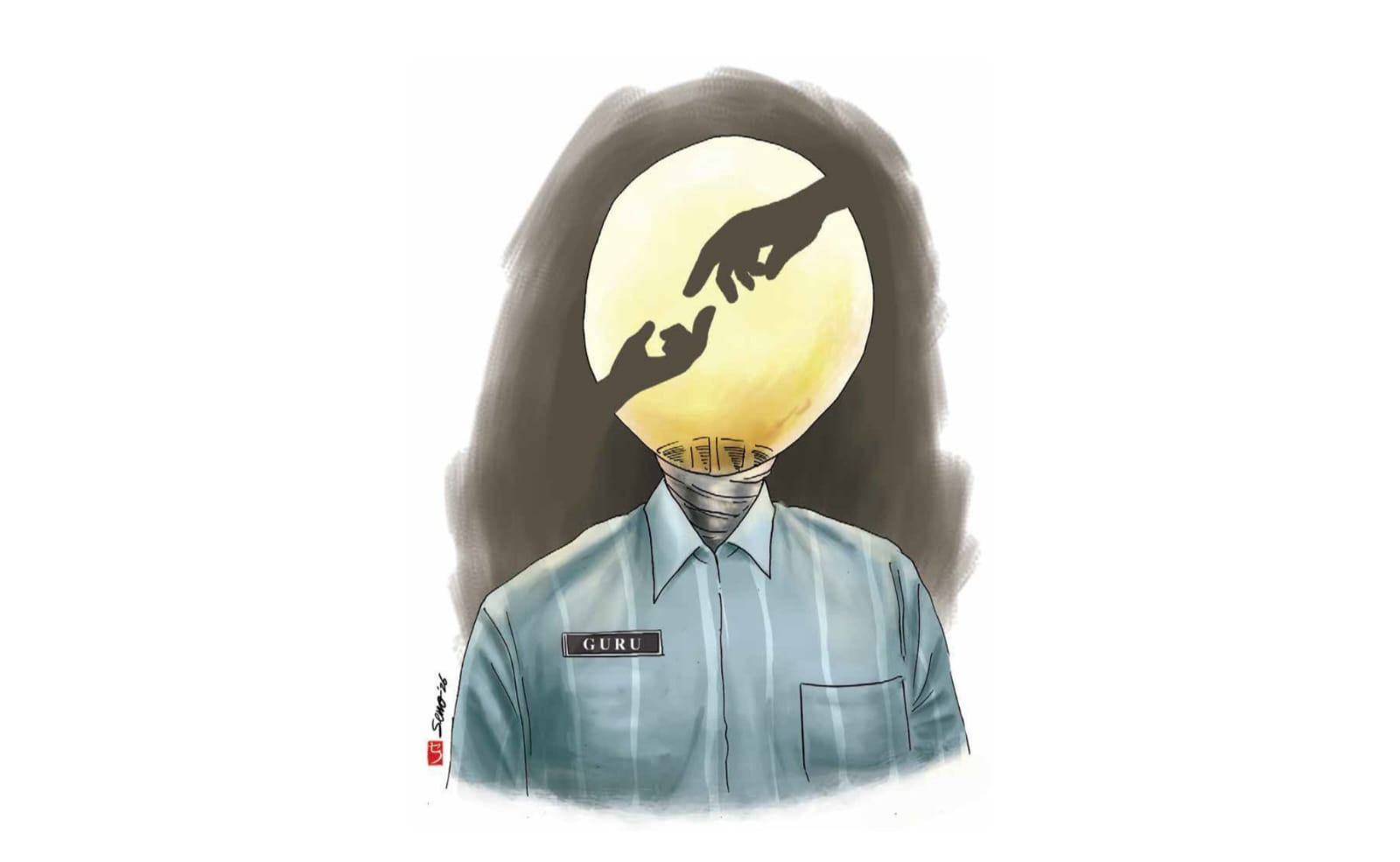
For a teacher, the new academic year represents both a gateway to hope and a reminder of significant responsibility. Amidst the bustle of designing learning targets, preparing administration, and pursuing annual programmes, considerable energy and commitment are often depleted. However, one element is frequently marginalised in this preparation: the emotional condition of the teacher. Behind academic busyness, psychological burdens from home, bureaucratic pressure, or unspoken mental fatigue often persist. Unknowingly, many educators enter the classroom with depleted emotional reserves, causing classroom interactions to lose depth and warmth.
Educational transformation through the ‘Deep Learning’ (DL) approach, initiated by the Minister of Primary and Secondary Education, Abdul Mu’ti, offers a breath of fresh air. This regulation emphasises three pillars: mindful learning, meaningful learning, and joyful learning. Among these, mindful learning highlights the importance of a conscious and reflective learning process, centred on student needs. Teachers are required to be fully present, sensitive to classroom dynamics, and to present essential material.
However, the implementation of Deep Learning cannot be realised without the inner readiness of teachers. It is impossible to guide students to learn with full awareness if the teacher is drowning in pressures that erode their peace. Therefore, before inviting students to be present mindfully, teachers must replenish their own emotional energy. Deep Learning can only emerge from a whole soul.
The view that education involves the soul, not just cognition, was long taught by Ki Hadjar Dewantara. He emphasised that education is an effort to advance character, intellect, and body holistically. However, it is important not to reduce his teachings to mere personal meditation. The concept of exemplary leadership, ‘ing ngarsa sung tulada’, is not just about being friendly in class, but a socio-historical awareness that stands for freedom and the marginalised. A mindful teacher within the framework of Ki Hadjar is one capable of reading the social structures surrounding students, identifying external obstacles hindering their potential, and guiding them not just towards high grades, but towards independence and critical thinking.
Modern psychological studies support this. Jon Kabat-Zinn (1994) defines mindfulness as awareness that occurs when we intentionally pay attention to the present moment without judgement. For teachers, this capacity is vital for managing pressure and maintaining emotional balance. A classroom full of attention can only be built by a teacher who is not at war with themselves.
While some institutions, such as Sekolah Sukma Bangsa, have implemented mental health commitments through stress management and mindfulness training, these are idealised portraits dependent on adequate resources. Such conditions do not automatically manifest in public schools in remote (3T) areas or private schools with limited budgets. The lack of professional counsellors, excessive teaching loads, and welfare inequalities remain bitter realities. Therefore, solutions for teacher mental health must move beyond individual programmes to systemic changes.
The central and regional governments need to revise regulations that burden teachers with excessive non-pedagogical administrative tasks and provide specific budgets for accessible psychological training and assistance. Education offices are expected to build integrated counselling services for teachers, similar to mental health services in other professional environments. At the school level, principals and foundation managers must treat teacher emotional well-being as a key performance indicator, rather than a mere end-of-year supplement. Building mindful learning requires policy breakthroughs that allow every teacher, regardless of their location, to have equal access to psychological recovery spaces.