
BCA Shares Slump to Rp4,850 as Rupiah Hits Rp18,148 per US Dollar, What Lies Ahead?
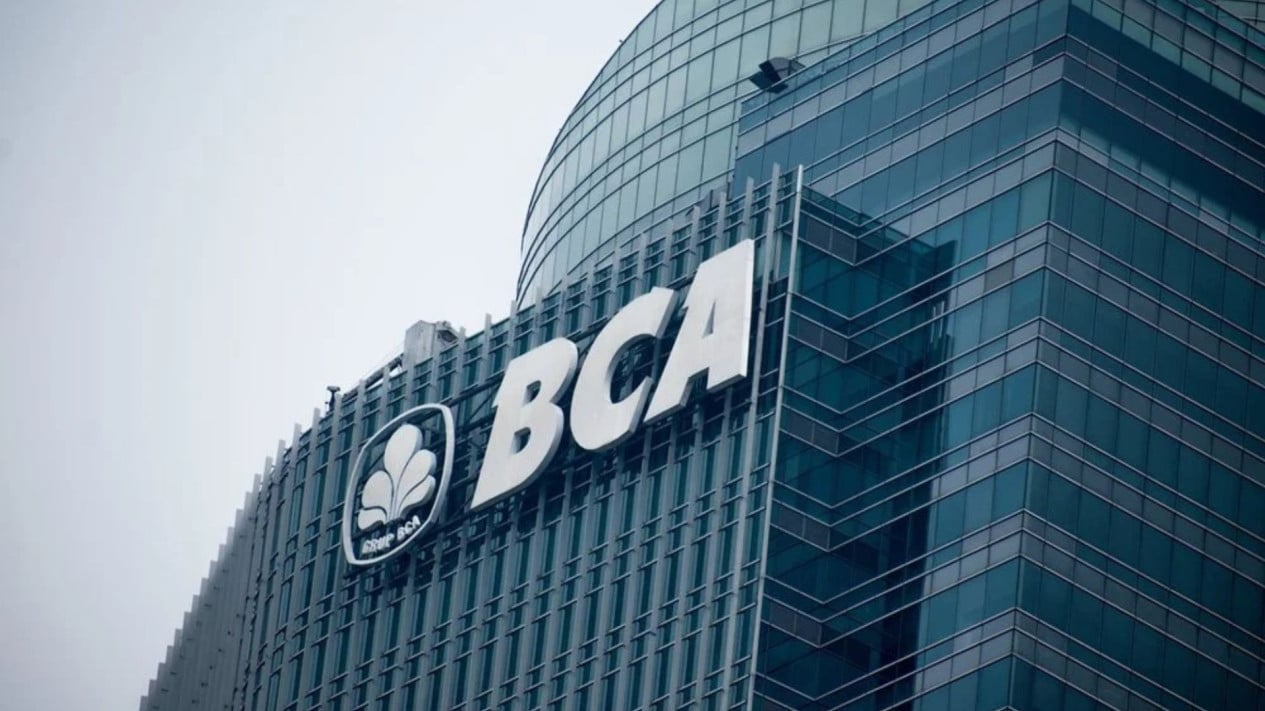
The rupiah exchange rate, which had breached the Rp18,000 per US dollar level, continues to draw attention from market participants. Although the currency managed a slight strengthening to Rp18,148 per US dollar in trading on Tuesday, 9 June 2026, pressure on the financial sector and capital markets has not fully subsided. One of the issuers in the spotlight is PT Bank Central Asia Tbk (BBCA). As the largest private bank in Indonesia by market capitalisation, BBCA’s share price movement often serves as a barometer of investor sentiment towards the national banking sector. In the latest trading session, BBCA shares closed at Rp4,850 per share. This position indicates significant pressure compared to several weeks earlier when they were still trading above the Rp6,000 level.
Despite the rupiah strengthening, downside risks remain. According to Bloomberg data, the rupiah gained 39.50 points or 0.22 percent to Rp18,148 per US dollar during midday trading. This strengthening coincided with a weakening of the US dollar index, which fell 0.10 percent to 99.947. Nevertheless, the rupiah’s rebound is considered limited. Traze Andalan Futures Director Ibrahim Assuaibi estimated that the room for further appreciation of the domestic currency remains modest. He suggested that if the rupiah could sustain its rally, the movement would likely be capped at around Rp17,800 per US dollar. Meanwhile, the market is still awaiting US inflation data scheduled for release this week, which could influence the direction of US interest rate policy and global dollar movements. He also predicted the rupiah would continue to fluctuate throughout the day, with a potential close in the range of Rp18,180 to Rp18,230 per US dollar. When the rupiah exchange rate comes under pressure, investors typically scrutinise sectors with high sensitivity to macroeconomic conditions. BBCA is one of the stocks heavily monitored because it carries substantial weight in Indonesia’s stock indices and is frequently favoured by institutional and foreign investors.