
BBRMP Maluku Monitors Pumping Irrigation Programme in Tual City
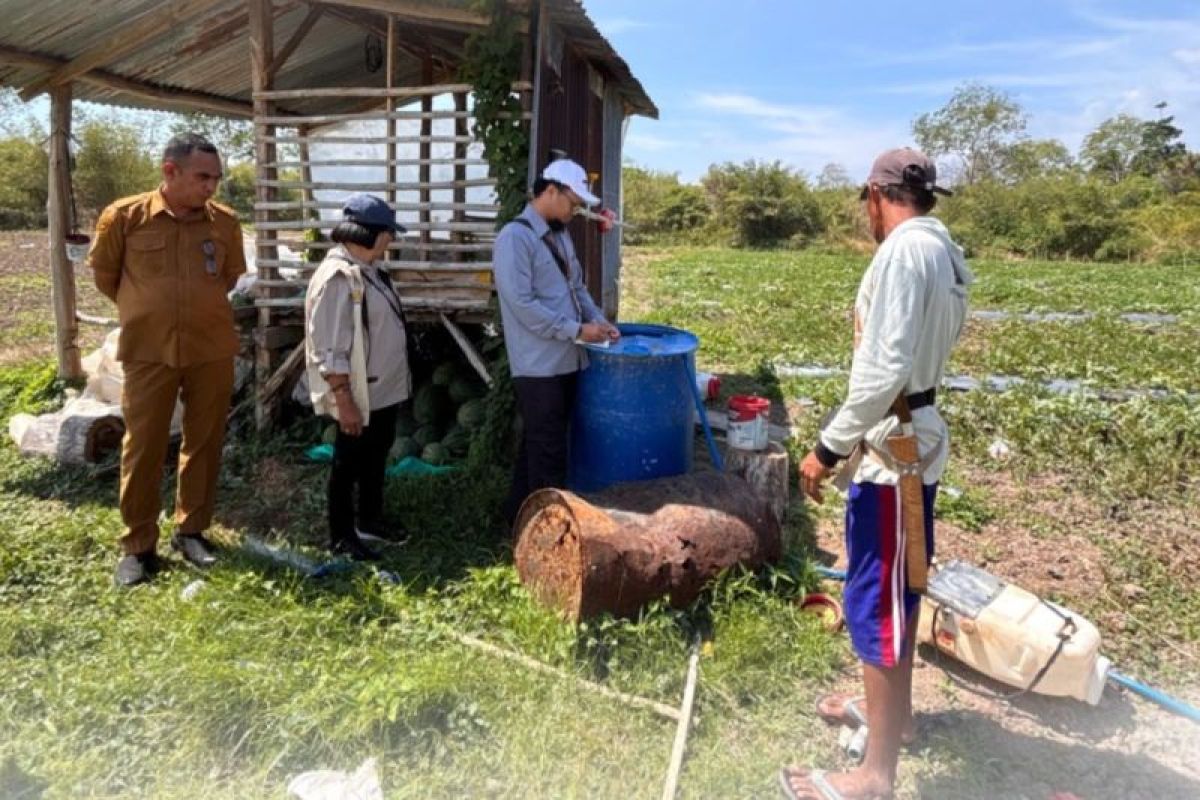
The Maluku Large Office for the Application of Agricultural Modernisation (BBRMP) has monitored the implementation of the Pumping Irrigation Programme in Tual City to ensure the readiness of beneficiary farmer groups and to identify field-level obstacles. The monitoring targeted three farmer groups in Fiditan Village: the Kampung Baru, Sumber Rejeki, and Ablel Sukses groups.
“The monitoring results show that the three farmer groups are still awaiting the aid disbursement process as the initial stage of programme implementation,” stated the Head of BBRMP Maluku, Gunawan, in Ambon on Sunday. He expressed hope that the disbursement could be realised promptly so that the construction of pumping irrigation facilities proceeds according to schedule.
Additionally, the team identified a challenge regarding declining water availability in the area. The Ablel reservoir, which serves as a primary water source for agricultural land, is experiencing drought, potentially disrupting the irrigation supply. “This condition is expected to impact not only the Ablel Sukses Farmer Group but also other nearby groups that utilise the same water source,” he added.
BBRMP Maluku stated that the monitoring results will serve as evaluation material to accelerate the Pumping Irrigation Programme and to formulate mitigation steps regarding water availability issues in Tual City. The Pumping Irrigation Programme is a government initiative aimed at increasing cropping indices and ensuring water availability for agricultural land, particularly in regions with limited water resources or vulnerability to drought during the dry season.
“We will continue to provide assistance and monitoring of programme implementation in the field, ensuring that the aid provided can be utilised optimally by farmer groups and deliver a tangible impact on increasing agricultural production in Tual City,” Gunawan said. Through synergy between the government, technical assistants, and farmer groups, the programme is expected to support increased agricultural productivity and strengthen regional food security.