
BBPPMT Yogyakarta Reports High Public Interest in Transmigration Programme in DIY
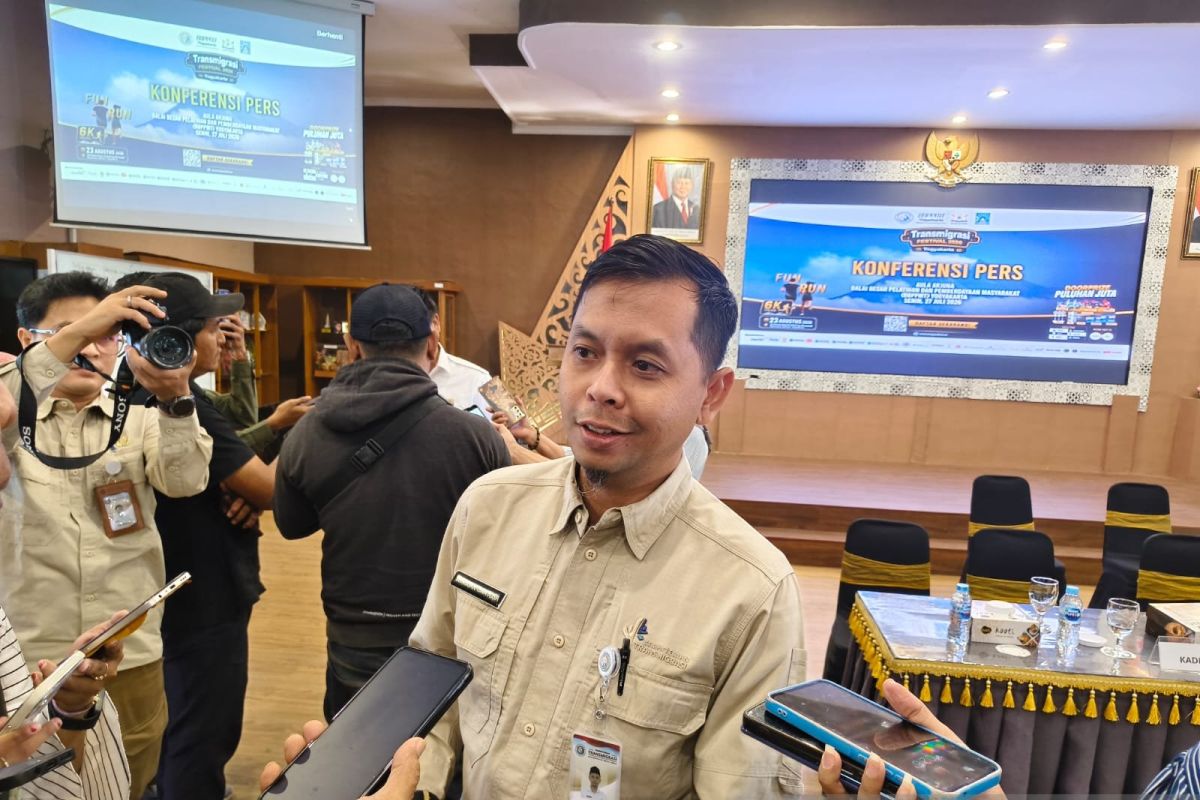
Sleman (ANTARA) - The Centre for Training and Community Empowerment for Villages, Disadvantaged Regions and Transmigration (BBPPMT) Yogyakarta says public enthusiasm in the Special Region of Yogyakarta for joining the transmigration programme remains very high, with waiting lists in every regency and city in the region.
The head of BBPPMT Yogyakarta, Tunggak Santoso, said in Sleman, DIY, on Monday that the number of departures each year depends heavily on quotas as well as the readiness of infrastructure and land from the receiving regional governments at the destinations.
“Enthusiasm is actually still very high. Every regency has to queue just to register. It’s only a matter of allocation (quota), because each depends on the receiving regional government, such as land readiness, house construction and infrastructure,” Tunggak said.
He said that since the era of regional autonomy, the administration of transmigration is no longer centralised in a single ministry, but instead operates through inter-regional cooperation mechanisms. This cooperation must be aligned between the sending and receiving regencies and cities.
This year, the total placement quota from the DIY region stands at 15 households (KK), of which Sleman Regency has been allocated two.
As for destinations, this year’s group of transmigrants from DIY is being directed to Poso Regency in Central Sulawesi. Given Poso’s hilly and highland terrain, the transmigrants are expected to optimise the plantation sector, particularly coffee and cocoa commodities.
Meanwhile, the destinations most sought after by transmigration applicants to date include Sidenreng Rappang (Sidrap), Mamuju and Central Halmahera.
“Before departure, all prospective transmigrants are required to take part in integrated training at BBPPMT Yogyakarta to equip them with land cultivation skills,” said Tunggak.
Meanwhile, the selection and recruitment process is left entirely to the Transmigration Offices at their respective regencies and cities.
To guarantee welfare during the initial placement period, the government provides facilities in the form of business land varying from one to two hectares depending on the capacity of the receiving region, as well as 500 square metres for a house plot and dwelling.
In addition, transmigrants receive a living allowance in the form of basic necessities for one year for dry land and 1.5 years for peatland.
Tunggak added that the transmigration programme has produced many success stories. A number of children of transmigrants are now recorded as successful entrepreneurs in the water transport sector, the mining sector, and as farmers exporting horticultural commodities such as oranges and durian.