
BBPOM Tests 24 Iftar Foods at Tabanan Grand Mosque, Including Meatballs and Crackers
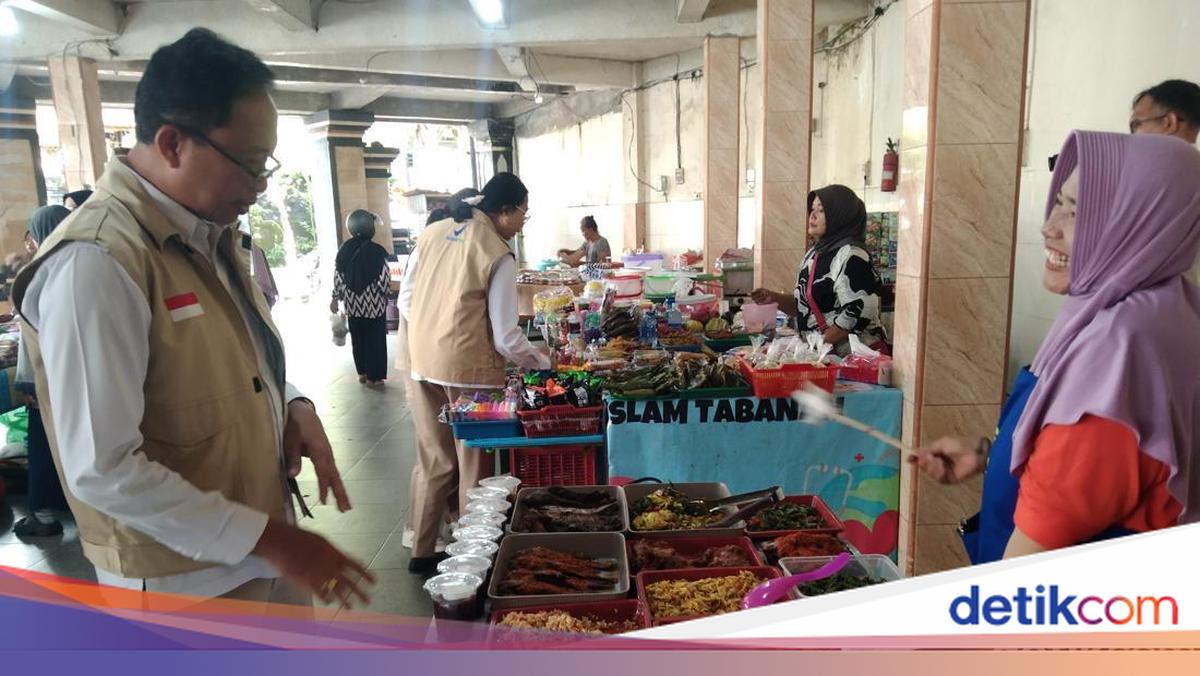
The Drug and Food Supervisory Agency (BBPOM) in Denpasar conducted testing of harmful substance content in a number of iftar foods sold by merchants in the area of Tabanan Grand Mosque, Dauh Peken Village, Tabanan District, on Wednesday (11 March 2026). Of the 24 samples tested, results showed they were free from harmful substances such as borax, formaldehyde, and rhodamine B.
The Acting Head of BBPOM in Denpasar, Made Ery Bahari Hantana, confirmed after the testing that food and beverages sold at the location were free from harmful content.
Ery explained that the samples tested included beverages, sugar-based sweets, cakes, meatballs, crackers, and side dishes. All were tested using specialised equipment, with results visible in approximately five minutes.
“We appreciate the merchants here for ensuring that the food and beverages they sell are safe for consumption,” said Ery Bahari.
He continued that this activity is routinely carried out each Ramadan month when iftar foods are widely traded before breaking the fast. Therefore, it is mandatory for BBPOM to conduct monitoring and testing so that the public can feel confident in selecting their meals.
In addition to sample testing, the agency also educated merchants and consumers to avoid using or consuming food containing harmful substances.
“Although we continue to provide education, testing must still be carried out because the potential for food and beverages with harmful substances to circulate is always possible,” he stressed.
According to Ery, if food or beverages containing harmful substances are later discovered, his office will immediately ban the sale of such iftar foods.
“If food or beverages are made directly by the merchant, we prohibit their sale if proven to contain harmful substances. However, if the products are obtained from purchasing elsewhere, we will continue to trace them to prevent their circulation,” concluded Ery Bahari.