
BBPOM detects textile dye in takjil in Kebon Jeruk
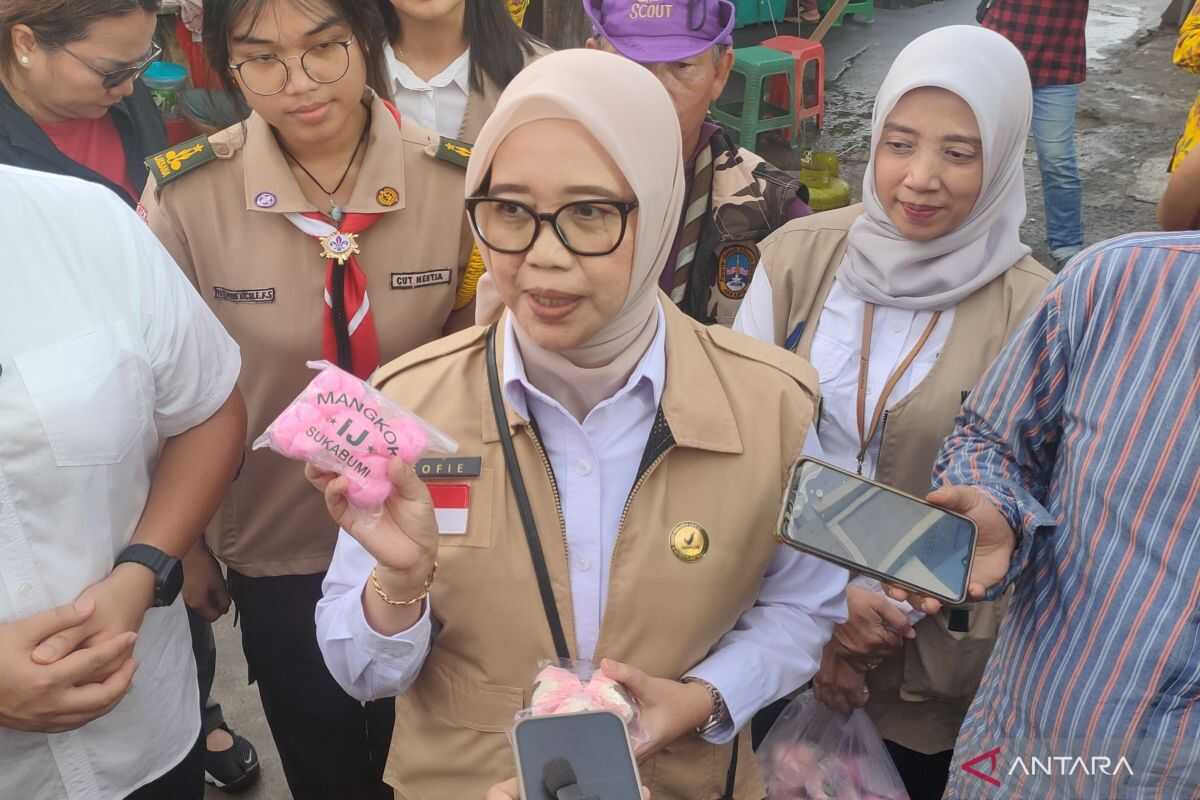
BBPOM Jakarta has detected the textile dye Rhodamine B in kue mangkuk (steamed bowl cakes) and bolu kukus (steamed sponge cakes) sold at the takjil market hub along Jalan Panjang in Kebon Jeruk, West Jakarta. Of the 65 samples tested in total, two contained Rhodamine B, namely the kue mangkuk and bolu kukus, according to Sofiyani Chandrawati, head of BBPOM Jakarta, speaking to reporters in Jakarta on Thursday. Sofiyani said the trader’s wares were immediately removed from display and disposed of after confirmation of the presence of a hazardous chemical through sampling. “So, it has already been taken out from the display for destruction,” Sofi said. Going further, authorities will trace the distribution chain of such takjil to identify the main supplier. “We will of course investigate further who the suppliers and major traders are. The aim is to cut the distribution chain,” Sofi said. Sofi also urged the public to be cautious with foods that have bright colours. “For example, if you like noodles, look to ensure the noodles are not hard, are glossy, and do not emit a formalin aroma. Because sensitive individuals may usually notice an unusual odour, which can cause burning and nausea,” Sofi said. Then, when buying tofu, Sofi advised the public not to choose hard tofu. “Choose tofu that is not hard. As for colours, avoid bright colours; opt for white only, hopefully there is no white from textile dye,” said Sofi. Meanwhile, for bakso, Sofi said they are usually chewier if borax is used. “And if crackers use borax, they taste acrid, different from ordinary crackers,” said Sofi.