
Baznas strengthens muzaki management to increase public trust
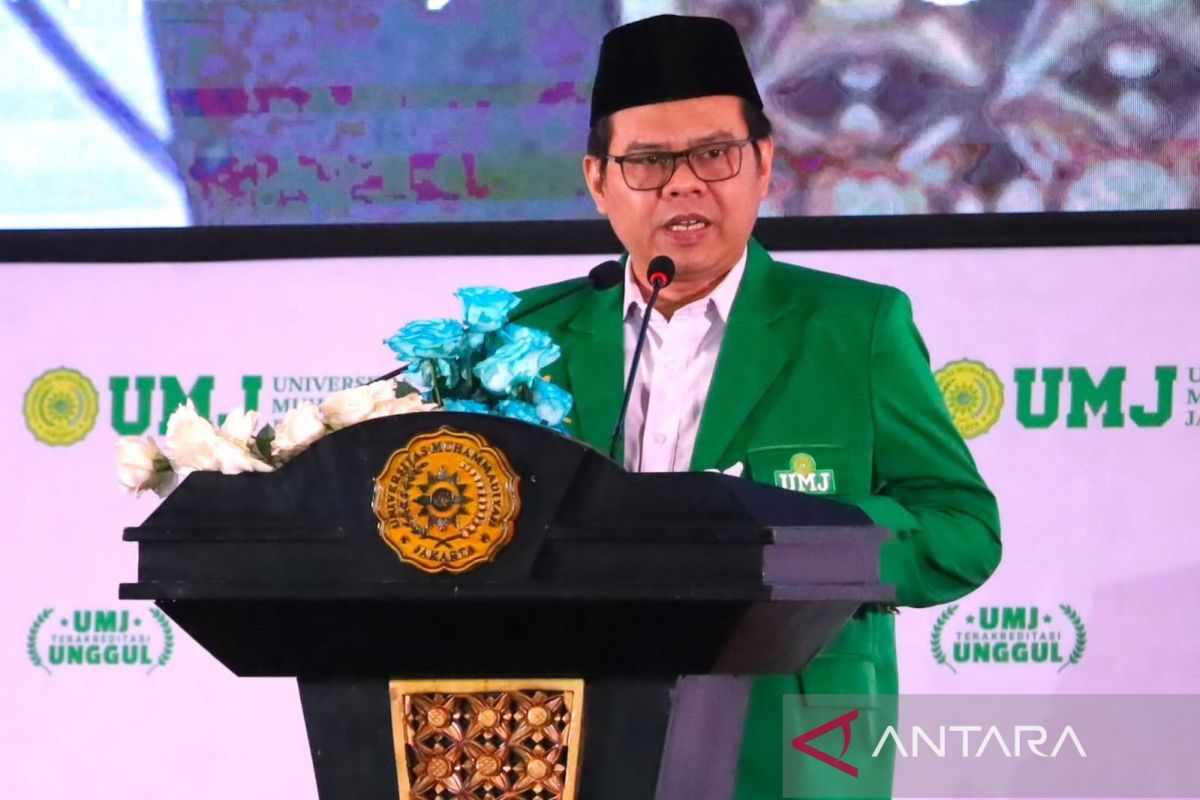
The National Zakat Board (Baznas) of Indonesia is continuously strengthening the professional management of zakat donors (muzaki) as a strategy to increase public trust and optimise the collection of zakat, alms, charity, and other religious social funds (ZIS-DSKL) nationwide.
Baznas RI Lead for Mobilisation and Collection, Rizaludin Kurniawan, stated in Jakarta on Thursday that muzaki management must be conducted more sustainably and professionally, positioning donors as strategic partners within the Islamic philanthropy ecosystem.
According to Rizaludin, donors today do not only require ease in fulfilling their zakat obligations but also wish to understand the benefits of the funds they distribute. Muzaki also want to be involved and witness the tangible impact of the zakat programmes funded by their contributions.
“Therefore, we need to perform a reorientation in muzaki management. Relationships with donors must be built sustainably through excellent service, open communication, and by demonstrating the real impact of the zakat they provide,” he said.
Rizaludin noted that, to date, many members of the public still distribute zakat through non-formal institutions.
“This is our homework. We must be able to reorient muzaki management. The goal for the future is for Baznas to become the preferred choice for donors, making it more primary to pay zakat through formal institutions like Bazlar rather than paying directly through preachers, mosques, or other non-formal organisations,” he added.
Rizaludin stated that value-driven fundraising must also be strengthened by all Baznas and zakat collecting agencies (LAZ) in Indonesia, including by strengthening zakat advocacy and presenting distributions that produce real benefits and visible changes in society.
In doing so, donors will continue to trust and choose Baznas to fulfil their religious obligations.
“To maintain sustainability and public trust, there are four main pillars of value-driven fundraising: transparency and real impact reporting, the cultivation of personal and inclusive relationships, the strengthening of professional and audit-compliant branding and institutional reputation, and the active involvement of donors in various humanitarian programmes,” he explained.
Rizaludin emphasised that the implementation of these four pillars should be reinforced with the Baznas ‘5D’ concept: Remembered, Trusted, Reached, Loved, and Proud. This approach is expected to provide a more meaningful zakat experience while expanding the impact of zakat on community welfare.
Furthermore, he stated that when designing programmes, Baznas must ensure they are relevant to the needs and aspirations of donors and capable of providing widespread, tangible benefits.
“Because programmes must be remembered and loved by donors, must feel close to them, and the changes must be visible and the benefits felt. Therefore, when creating programmes, the perspective must be from the donor’s point of view,” concluded Rizaludin Kurniawan.