
Baznas Strengthens Collaboration to Build National Zakat Collection Ecosystem
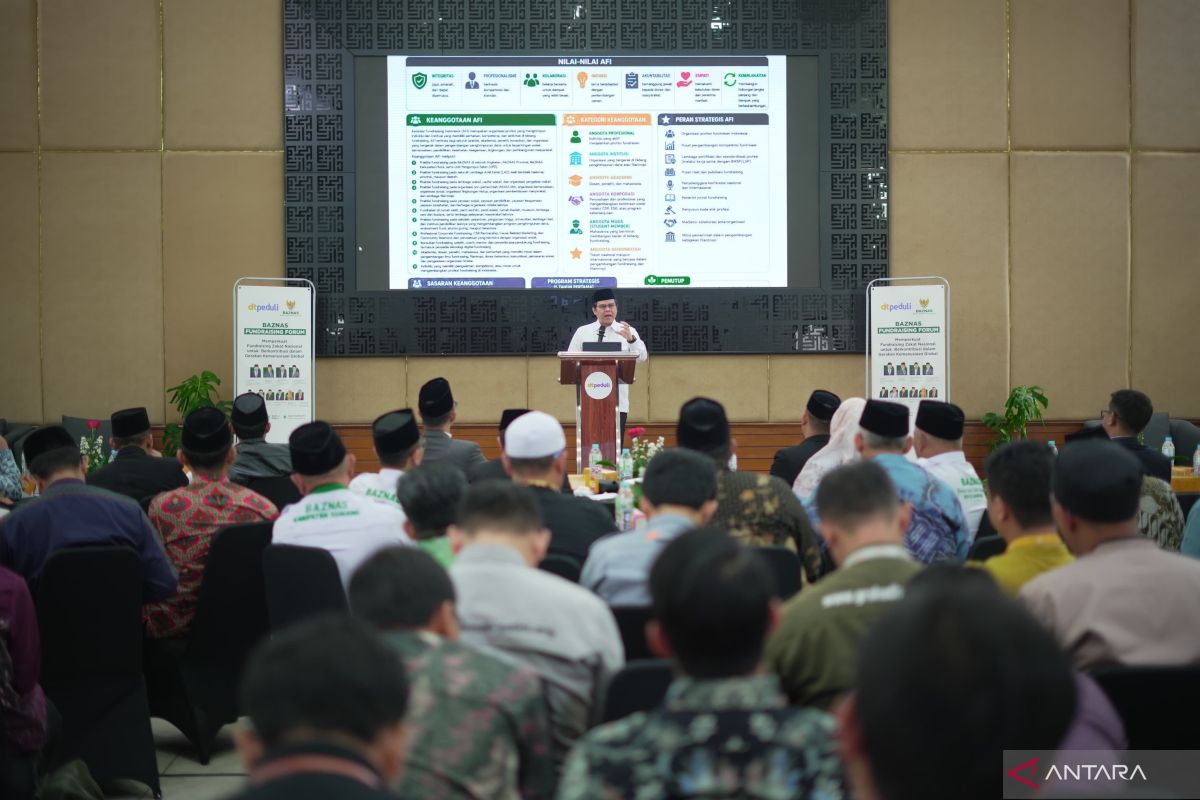
The National Zakat Agency (Baznas) of the Republic of Indonesia is strengthening national collaboration to build a professional zakat collection ecosystem, moving away from approaches that rely on compassion. Through a statement issued in Jakarta on Saturday, Baznas RI’s Head of Mobilisation and Collection, Rizaludin Kurniawan, stated that amil (zakat administrators) must abandon collection methods that depend on pity and instead switch to strategies based on knowledge, convenience, and transparency. “Zakat must be made clear, attractive, and easy. This sequence cannot be reversed. We cannot simply force or plead in the name of zakat, infak, and sedekah (almsgiving),” he said.
He assessed that collection practices exploiting hardship are not in line with the mission of zakat propagation. Instead, zakat institutions must build a professional approach so that the public is encouraged to pay zakat because they understand its benefits and feel happiness in sharing. He stressed that fundraising is a profession with a clear scientific foundation, ethics, competencies, and practice standards. Therefore, ZIS collection strategies must be based on measurable approaches, not merely relying on momentary empathy. “We must use knowledge, not just guess or rely on compassion by selling ‘tears’ or other people’s suffering,” he remarked.
Rizaludin revealed that there are two main approaches to zakat collection in Indonesia: the regulatory approach (by law) supported by government policy, and the marketing approach (by marketing) through creative campaigns and services to muzaki (zakat payers). “At Baznas RI, we try to combine these two approaches so that zakat payers receive service, experience, and transformative spiritual change,” he continued. As a philanthropic institution, Baznas emphasised that building public trust and strengthening the professionalism of amil are the main foundations of zakat management. In addition, he noted the need for expanded collaboration with the government, religious scholars, and various institutions, as well as increasing the number and capacity of professional amil, socialising the impact of zakat programmes, and strengthening synergy among philanthropic institutions.
Responding to this, the Patron of the Daarut Tauhid Peduli Foundation, KH Abdullah Gymnastiar or Aa Gym, explained the concept of zakat propagation that is adaptive to the times. According to him, the success of a zakat management institution in building public trust depends on four main aspects: services that are clear, attractive, easily accessible, and able to provide satisfaction to muzaki. “We must make muzaki understand that their zakat truly reaches those who are entitled. Something that is clear, attractive, easy in procedure, and satisfying will generate commitment, become a good habit, and can be contagious to others,” said Aa Gym.
Source: jawawa.id (https://jawawa.id/newsitem/baznas-strengthens-collaboration-to-build-national-zakat-collection-ecosystem-1784371914)
Originally published by Antara (Indonesian) (https://www.antaranews.com/berita/5655311/baznas-perkuat-kolaborasi-bangun-ekosistem-pengumpul-zakat-nasional), translated from Indonesian