
Baznas: Strengthening productive zakat is key to facing global crisis
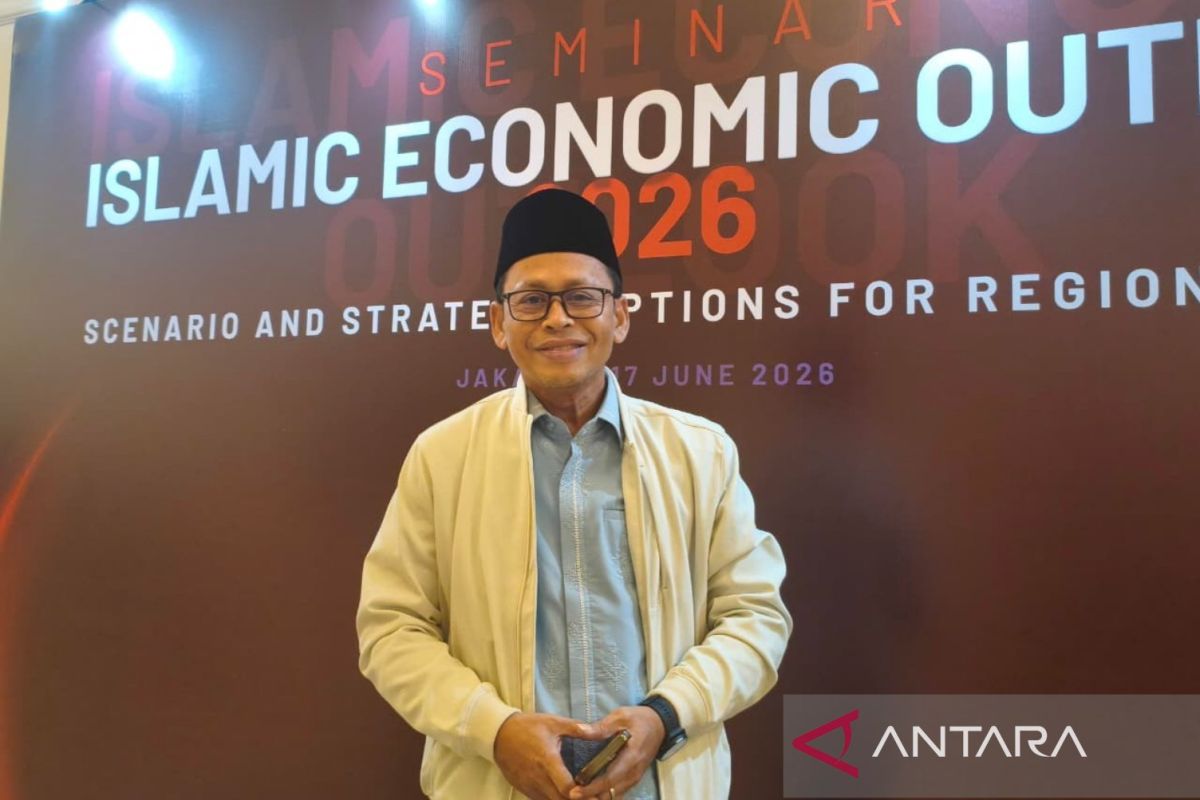
Jakarta - The Head of Research, Development, Planning, and Innovation at the National Zakat Agency (Baznas) of the Republic of Indonesia, Syarifuddin, stated that strengthening productive zakat is a crucial strategy to maintain the economic resilience of the community amidst the current global crisis situation.
“The potential of zakat as an alternative to drive beyond a social safety net must be pushed towards strengthening empowerment. Empowerment-based zakat must be more activated so that in the long term, regardless of the conditions, mustahik remain strong,” he said after attending the Islamic Economic Outlook 2026: Scenario & Strategic Options from Iran-US-Israel Regional Crisis seminar in Jakarta on Wednesday.
Syarifuddin explained that optimising productive zakat is urgently needed given that weakening public purchasing power and soaring goods prices have significantly hit the real sector.
“If we ask, almost the entire real sector is complaining because people’s purchasing power is increasingly reduced, their purchasing ability is decreasing, and all prices are expensive,” he continued.
Therefore, Syarifuddin said, Baznas RI is now prioritising system digitalisation to consolidate the strength of national zakat so that these economic empowerment programmes run with greater impact and are measurable.
Meanwhile, Deputy Minister for National Development Planning (PPN/Bappenas) Febrian Alphyanto Ruddyard said the Indonesian government emphasises the importance of building national economic resilience through structural transformation to face an era of increasingly complex global uncertainty that directly impacts domestic stability.
According to him, strengthening the Islamic economy and downstreaming the halal industry are now positioned as main pillars to drive self-reliance and improve Indonesia’s bargaining position on the international stage so that it does not merely become a passive spectator.
“The Islamic economy is not solely about identity or religious preference. The Islamic economy offers a framework that balances economic growth, social justice, and sustainability,” said Febrian.