
Baznas Seeks DPR Support to Optimise Zakat Potential
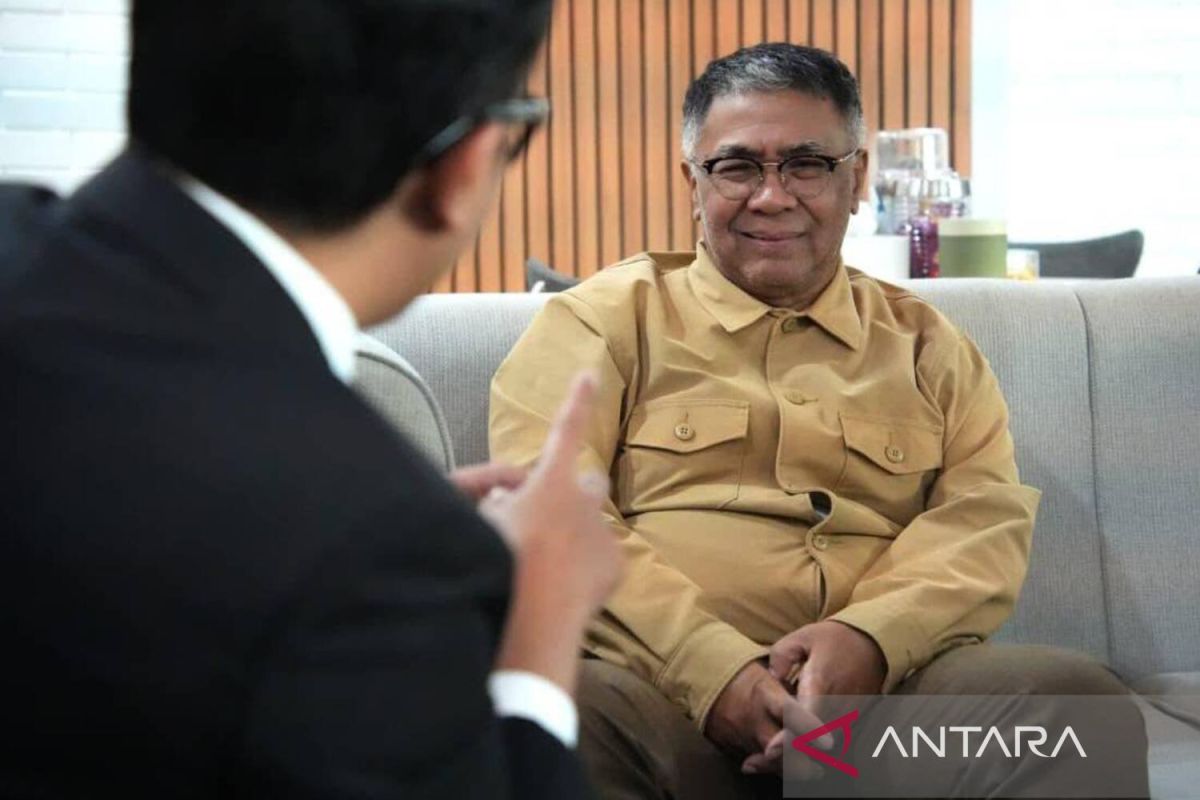
Jakarta (ANTARA) - The National Board of Zakat (Baznas) of the Republic of Indonesia is strengthening its synergy with Commission XII of the House of Representatives (DPR RI) to optimise the potential of Zakat, Alms, and Charity (ZIS) through collaborative expansion of collection reach and the strengthening of ZIS management regulations.
The Chairman of Baznas RI, Sodik Mudjahint, explained in a statement in Jakarta on Monday that Indonesia possesses a vast zakat potential, reaching Rp327 trillion. However, this potential has only been partially realised through Baznas at both central and regional levels, as well as through National Zakat Management Institutions (Laznas).
“We request support from the legislative network within the relevant DPR Commission, particularly those partnering with the Ministry of SOEs and the Ministry of Energy and Mineral Resources, so that regulations for zakat deductions for corporations and employees can be made binding,” he said.
Sodik believes that regulatory strengthening is also necessary to ensure that ZIS management does not operate in isolation due to sectoral egos between institutions.
“We propose the formation of a joint management consortium, incorporating representation from religious organisations and adopting a structure similar to the Indonesian Ulema Council (MUI), so that zakat funds can be managed collectively and transparently, and avoided from discriminatory state audit objects,” he stated.
Sodik explained that the primary obstacle currently is that regulations (laws) do not yet fully support the synchronisation between the central Baznas and district/city levels. Currently, collection in each institution is limited to being based on Presidential Instructions (Inpres) through the formation of Zakat Collection Units (UPZ).
“We propose a centralised collection scheme to achieve cross-regional subsidies. Furthermore, we also hope for support in mobilising ZIS from members of DPR Commission XII and from Commission XII’s partners, which, based on Presidential Instruction Number 3 of 2014, holds great potential for ZIS mobilisation,” said Sodik Mudjahid.
He noted that data validity is key to poverty alleviation efforts. Therefore, a real census of the community must be conducted, including visual evidence of residents’ living conditions, to ensure that the distribution of aid is not influenced by local political interests.
Bambang Haryadi affirmed the readiness of DPR Commission XII to oversee regulatory strengthening and to bridge cross-ministerial coordination to maximise national zakat potential.
“This synergy is vital. Mature regulations and transparent governance will ensure that zakat truly reaches those entitled to it and effectively reduces poverty rates in the country,” said Bambang Haryadi.