
Baznas Qurban Programme Exceeds Target, Boosts Mustahik Economy
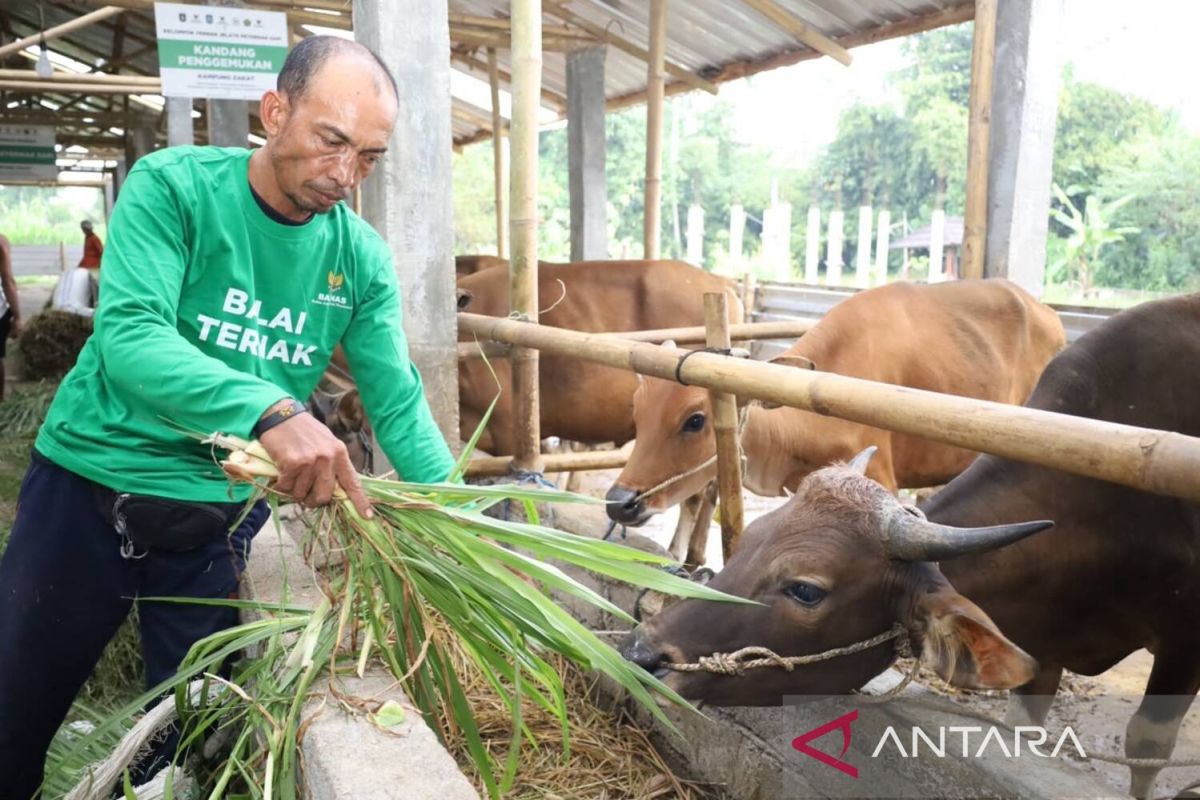
Jakarta (ANTARA) - The National Zakat Board (Baznas) of the Republic of Indonesia has successfully exceeded its 2026 qurban collection target, while simultaneously boosting the economy of mustahik livestock farmers in rural areas through the ‘Kurban Berkah Berdayakan Desa’ (Blessed Qurban Empowering Villages) programme.
Idy Muzayyad, Baznas Executive for Distribution, Utilisation, and Empowerment, explained in a statement in Jakarta on Thursday that the realisation of the qurban programme, which is integrated with livestock-based economic empowerment, successfully collected funds amounting to Rp20,394,144,719, reaching 101.45 per cent of the initial target.
Idy noted that the Baznas qurban programme does not only focus on providing high-quality sacrificial animals but is also fully committed to transforming the fortunes of mustahik farmers so they can become the primary drivers of the economy in their villages.
He assessed that the qurban programme, managed through Baznas-supported livestock centres, is tangibly able to realise economic, institutional, and mental-spiritual independence for the farmers.
“The essence is that the Baznas Kurban Berkah Berdayakan Desa activity is part of our way to act as a facilitator or to serve our farmers to provide good qurban, qurban that complies with Sharia, and healthy qurban, using a business model that is also Sharia-compliant,” said Idy.
Eka Budhi Sulistyo, Director of Utilisation and UPZ CSR Services at Baznas RI, stated that in addition to the success of the qurban programme, Baznas RI also recorded significant achievements in the 2026 Hajj Dam programme, with a value reaching Rp13.82 billion.
The decision to move the slaughter location for Hajj pilgrims’ dam animals to within the country is considered highly strategic, as the entire meat package is distributed directly to strengthen the economy of the poor in various regions.
“Bringing the management of Hajj dam back to the homeland is very strategic, because all the meat from the livestock centres will be distributed directly to provide strong economic benefits for mustahik in the regions,” said Eka Budhi Sulistyo.