
Baznas Pushes for Village Zakat Collection Units to Maximise Agricultural Zakat Potential
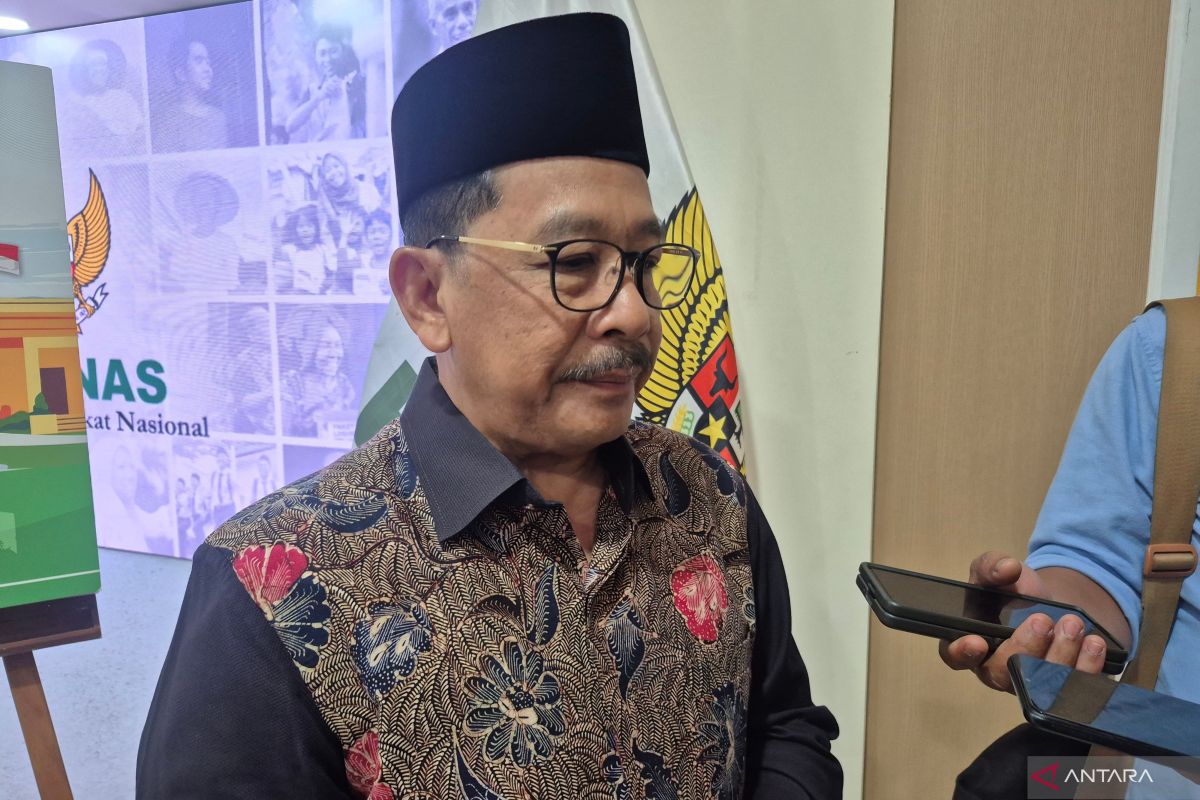
Jakarta (ANTARA) — Indonesia’s National Zakat Agency (Baznas) is encouraging the establishment of Zakat Collection Units (UPZ) at village level to maximise the potential of agricultural zakat and help alleviate poverty in rural communities.
Baznas deputy chairman Zainut Tauhid Sa’adi said at the National Seminar on Zakat for Village Prosperity in Jakarta on Thursday that zakat management could not remain confined to the ivory tower of Baznas’ central institution.
“The presence of UPZs at village level is our ambition — the ambition of our chairman, Sodik Mudjahid, and the entire Baznas leadership,” he said.
According to data compiled by Baznas, the agricultural sector employs 41.25 million people, equivalent to 28.15 per cent of Indonesia’s total workforce.
“This means the potential for agricultural zakat is enormous and far-reaching, and it is directly intertwined with the lives of rural communities,” Zainut said.
To enable zakat collection on this scale, Baznas aims to replicate widely the governance model already operating in Jatisono village, Demak Regency, Central Java.
“Jatisono village has shown that an agriculture-based village UPZ can drive local economic self-reliance and strengthen social ties among residents. This is the kind of model we want to replicate widely in remote areas across Indonesia,” Zainut said.
He said precise data collection down to village level was expected to make future zakat distribution more effective and have a direct impact on the welfare of rural residents.
“The aim is for the zakat to return to the community, particularly rural communities, so that they can become more prosperous,” Zainut said.
Source: jawawa.id (https://jawawa.id/newsitem/baznas-pushes-for-village-zakat-collection-units-to-maximise-agricultural-zakat-potential-1791453349)
Originally published by Antara (Indonesian) (https://www.antaranews.com/berita/5776956/optimalkan-potensi-zakat-pertanian-baznas-pacu-pembentukan-upz-desa), translated from Indonesian