
BAZNAS Protects 100,000 Vulnerable Workers Through JSB Programme
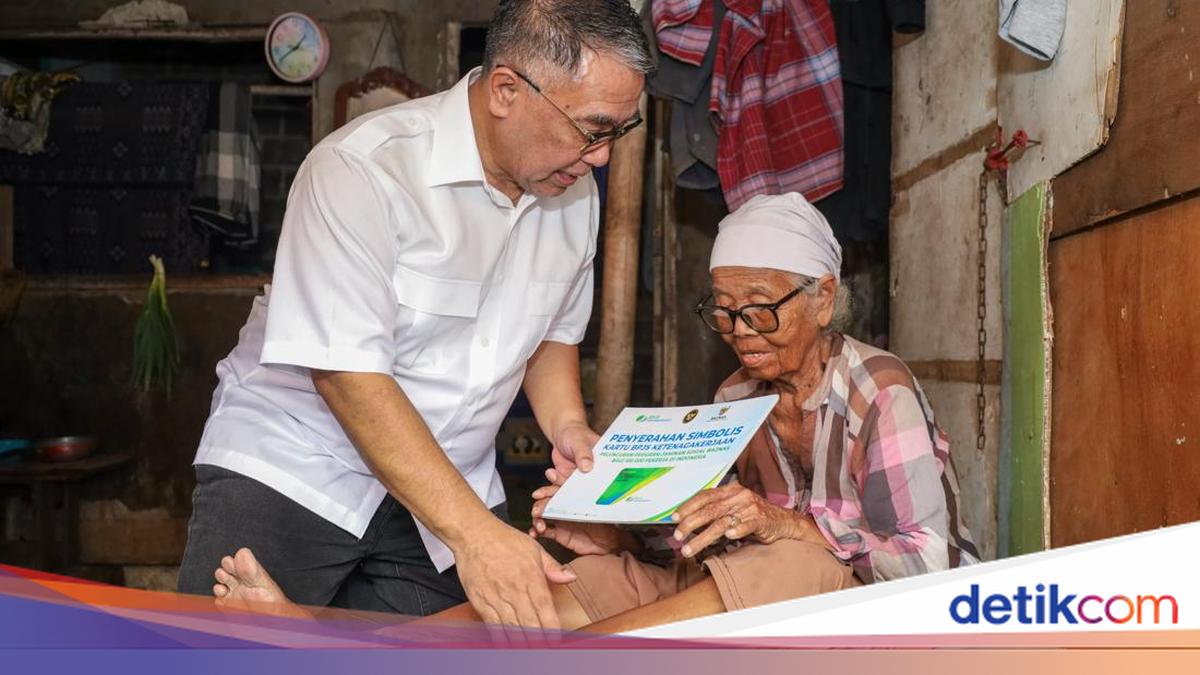
The National Board of Zakat (BAZNAS) RI is providing social security insurance for 100,000 vulnerable workers spread across Indonesia through the 2026 BAZNAS Social Security (JSB) Programme. Beneficiaries include Quran teachers, farm labourers, fishermen, scavengers, small traders, and other vulnerable workers who meet the criteria as mustahik (zakat recipients).
The programme provides assistance for BPJS Ketenagakerjaan membership, specifically covering Work Accident Insurance (JKK) and Death Benefits (JKM) for a period of six months. The JSB programme targets 100,000 vulnerable workers in at least 10 priority provinces, with 30 per cent of beneficiaries targeted from frontier, outermost, and least developed (3T) regions, and the remaining 70 per cent from other areas based on economic vulnerability and zakat recipient criteria.
The Chairman of BAZNAS RI, Sodik Mudjahid, emphasised that zakat should not merely serve as aid for daily needs, but can also act as an empowerment instrument that provides protection for mustahik.
“Through the BAZNAS Social Security Programme, we strive to provide protection to vulnerable workers through BPJS Ketenagakerjaan membership, specifically Work Accident and Death Benefits. This protection is expected to help mustahik carry out their economic activities more safely,” said Sodik in a written statement on Friday (2/10/2026).
The symbolic distribution of aid took place in South Tangerang, Banten, on Friday (2/10/2026). The handover was conducted by Sodik alongside the Deputy for Coordination of Social Welfare Improvement at the Coordinating Ministry for Human Development and Culture, Dyah Tri Kumolo Sari, and the President Director of BPJS Ketenagakerjaan, Saiful Hidayat.
Dyah Tri Kumolo Sari also expressed appreciation for the collaboration between BAZNAS RI and BPJS Ketenagakerjaan in expanding social protection for vulnerable workers.
“Our thanks go to BAZNAS and BPJS Ketenagakerjaan for working alongside the government to assist the poor and underprivileged. This programme should continue for the 100,000 workers in need, ranging from informal workers to communities in underdeveloped regions,” said Dyah.
The President Director of BPJS Ketenagakerjaan, Saiful Hidayat, added that the collaboration with BAZNAS is a vital part of expanding protection for vulnerable workers who have not yet been fully covered by social security.
“The spirit of this impactful and sustainable empowerment programme aligns perfectly with the goals of BPJS Ketenagakerjaan, as we collectively aim to make society more productive. It is hoped that protection and empowerment will go hand in hand to ensure the community has resilience against risks,” concluded Saiful.
Programme beneficiaries include Quran teachers, preachers, imams, mosque caretakers, pesantren educators, farmers, fishermen, micro-entrepreneurs, small traders, daily casual labourers, productive persons with disabilities, and other informal sector workers who meet the mustahik criteria.
BAZNAS is also providing education on the importance of employment social security while strengthening the data collection of vulnerable workers. The programme is expected to expand access to social protection and provide a sense of security for mustahik in conducting their activities and livelihoods.