
Baznas: Integrating Islamic Philanthropy Key to Poverty Alleviation
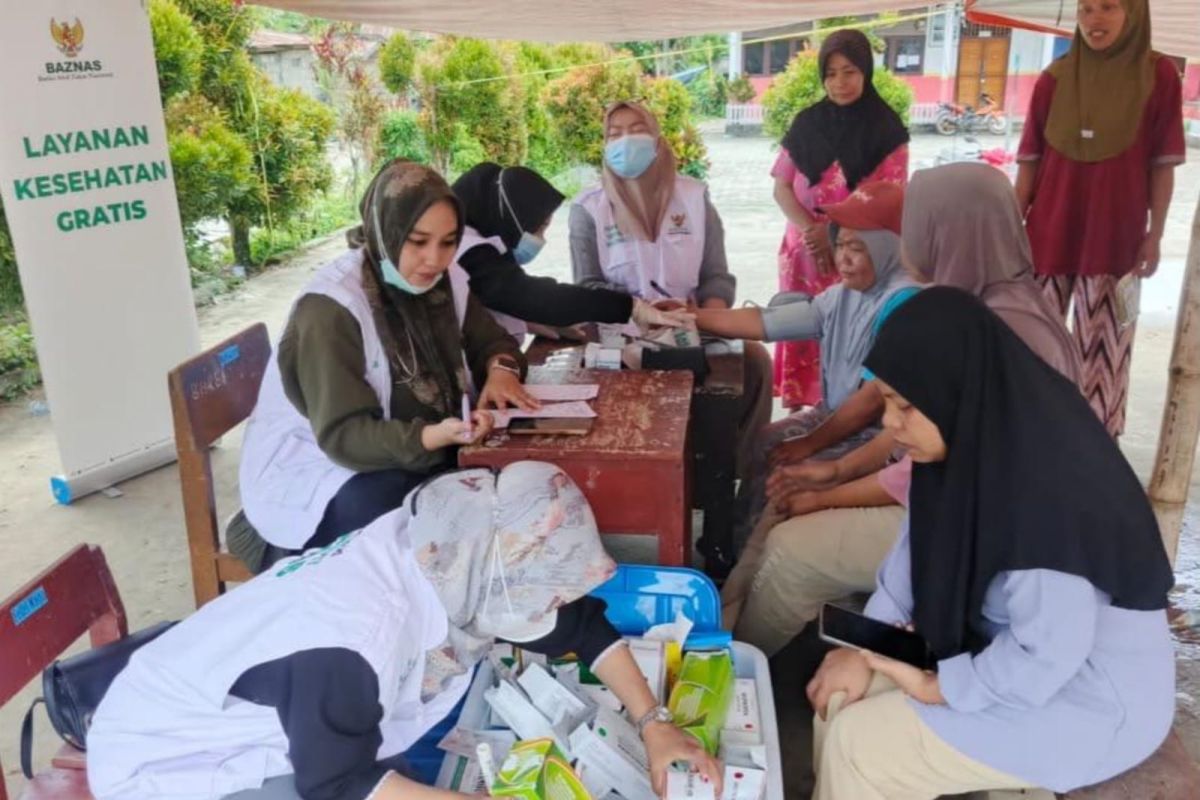
The Vice Chairman of Indonesia’s National Zakat Agency (Baznas), Zainut Tauhit Sa’adi, has stressed the importance of integrating Islamic philanthropy, including zakat, infak, sadaqah, and waqf, as a key to strengthening efforts to alleviate poverty and improve public welfare sustainably.
Speaking in Jakarta on Wednesday, Zainut explained that the significant potential of Islamic philanthropic instruments would yield more optimal results if managed within an integrated ecosystem. He noted that each instrument has distinct characteristics and functions, yet they can complement one another to create a wider social and economic impact.
‘Zakat can be utilised as productive business capital to build the economic independence of the community, waqf can be used to provide productive assets and infrastructure, while infak can support training and business mentoring programmes,’ Zainut said.
He explained that Islamic philanthropy plays a vital role as emergency assistance, forming part of the social safety net for vulnerable communities. ‘Therefore, these instruments must not operate in isolation, but must reinforce each other through integrated interventions,’ he stated.
Zainut outlined that Islamic philanthropic interventions can be carried out in stages, from emergency aid and meeting basic needs, to post-crisis community recovery, economic empowerment, and ultimately driving sustainable social and economic transformation. With this approach, Islamic philanthropy is expected to make a greater contribution to national development.
He urged a paradigm shift in philanthropy from mere charity towards sustainable social transformation. According to Zainut, assistance should not only aim to meet the short-term needs of beneficiaries, but must also encourage economic recovery, expand economic inclusion, and enhance community self-reliance.
‘We are currently facing real challenges in the form of poverty, social welfare issues, and economic vulnerability. These conditions require solutions that are not only economic in nature, but must also be grounded in the values of solidarity and Indonesia’s spiritual values,’ he said.
Zainut expressed hope that the synergy and integration of all pillars of Islamic philanthropy can continue to be strengthened, so as to deliver a broader impact for society. He believes the ultimate goal of these efforts is to achieve sustainable, equitable, and inclusive development, ensuring that its benefits are felt by all levels of Indonesian society.