
Baznas assures adequate stock of sacrificial animals at Central Lombok Livestock Centre
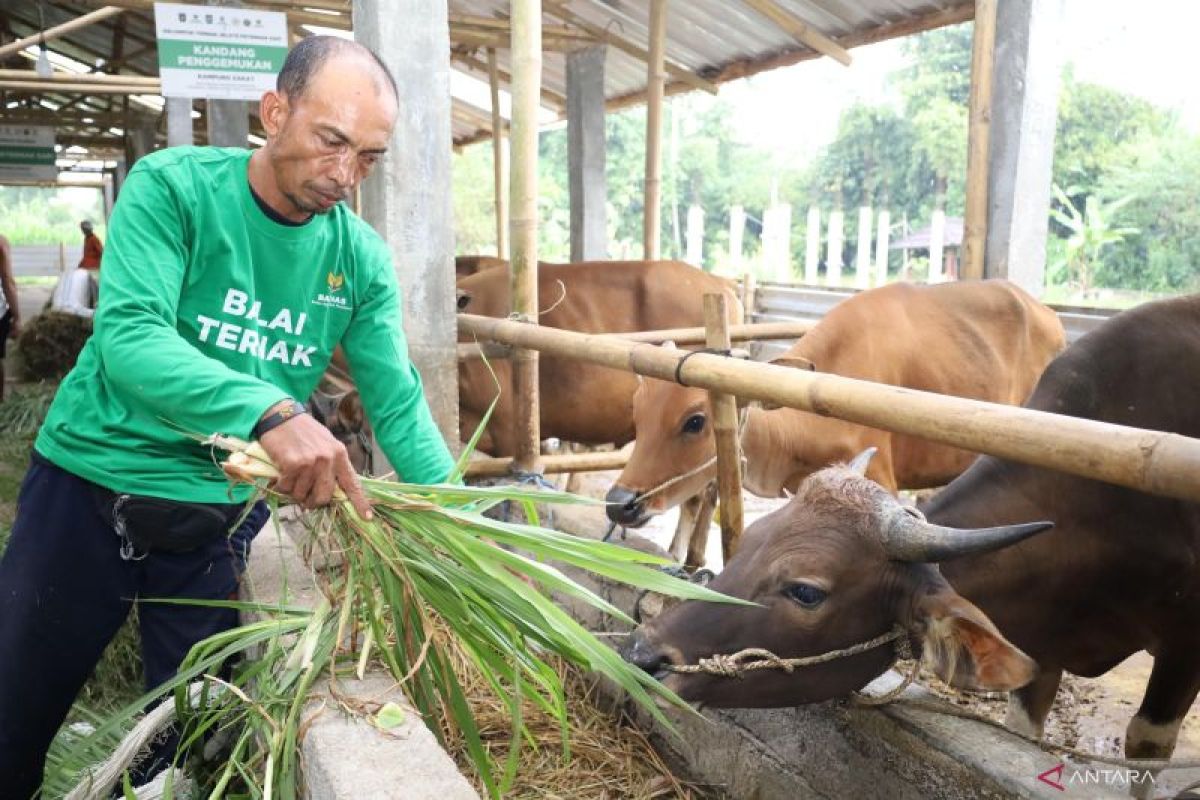
Jakarta (ANTARA) - The National Amil Zakat Agency (Baznas) of Indonesia has assured the availability of sacrificial animals at the Baznas Livestock Centre in Central Lombok Regency, West Nusa Tenggara (NTB), to fulfil the needs of the community ahead of Eid al-Adha 1447 Hijriah.
Baznas RI Chairman Sodik Mudjahid, in a statement in Jakarta on Friday, explained that this assurance was obtained after his team directly inspected the quality of dozens of cattle managed by mustahik farmers in Pagutan Village, Batukliang Subdistrict, Central Lombok, on Thursday (23/4).
This step is also part of the oversight to ensure that zakat, infaq, and sedekah (ZIS) funds managed by the agency are channelled into productive and beneficial programmes for the ummah.
“So, Baznas receives the trust of the ummah through zakat, infaq, sedekah, and that trust is managed by Baznas in accordance with its statutory duties to return it to the Muslim ummah, to the Indonesian nation, one of which is at this livestock centre,” he said.
Regarding preparations for the sacrificial season, he confirmed that the livestock at the site meet the requirements and are ready to be marketed to the public who wish to perform the sacrifice.
“Reports from the farmers indicate they are ready for sacrifice. So, they are ready for sacrifice and can be sold,” he said.
Currently, the Baznas Central Lombok Livestock Centre manages 57 Bali cattle, consisting of one bull, 29 cows, and 27 young males. This programme involves at least 30 local farmers who receive ongoing intensive support.
Baznas hopes that this community-based empowerment model can serve as an example for other regions.
Through a sustainable farming ecosystem, the farmers are expected to improve their living standards and eventually transform from zakat recipients (mustahik) to zakat payers (muzaki) in the future.